To provide for the overall health and well-being of young people, including the promotion and attainment of lifelong sexual health and healthy relationships, and for other purposes.
Analysis under review: This bill has generated analysis that may be too generic or incomplete. Clause-level evidence remains available below.
Summary
What This Bill Does
The Real Education and Access for Healthy Youth Act creates new federal grant programs to fund comprehensive sex education in K-12 schools, colleges, and youth-serving organizations. It authorizes $100 million annually through 2029 and explicitly repeals the Title V abstinence-only education program, transferring its remaining funds to the new comprehensive programs.
Who Benefits and How
- K-12 schools and local educational agencies: Receive competitive grants (up to 30% of funds) for 5-year comprehensive sex education projects, with priority for tribal organizations.
- Institutions of higher education: Receive grants (up to 10% of funds) to integrate sex education into orientation, courses, and peer programming; priority given to minority-serving institutions.
- Educator training organizations: Receive grants (up to 15% of funds) for professional development on sex education pedagogy, anti-racist practices, and gender-inclusive instruction.
- Youth-serving organizations and community health centers: Receive grants (up to 30% of funds) to provide sexual health services to marginalized young people.
- Marginalized young people: Specifically targeted populations include LGBTQ+ youth, youth of color, immigrant youth, foster care youth, homeless youth, and rural youth.
Who Bears the Burden and How
- Abstinence-only education programs: Lose all federal funding as Section 510 of the Social Security Act is repealed.
- Programs that withhold information or fail to address marginalized youth needs: Cannot receive federal funding under this Act; strict eligibility requirements exclude medically inaccurate or non-inclusive programs.
- Federal budget: Requires $100 million annually in new appropriations (FY2024-2029).
Key Provisions
- Authorizes $100 million annually for comprehensive sex education grants (FY2024-2029)
- Repeals Section 510 abstinence-only education and transfers unobligated funds
- Requires all funded programs be evidence-informed, medically accurate, culturally responsive, and LGBTQ+ inclusive
- Prohibits funding for programs that withhold health information, promote stereotypes, or are medically inaccurate
- Mandates multi-year independent impact evaluation of all grant programs
Evidence Chain:
This summary is generated from the full bill text using AI analysis. Expand "Detailed Analysis" below for identified beneficiaries/burden bearers.
At a Glance
What This Bill Does
Establishes comprehensive sex education grant programs for K-12 schools, higher education, and youth organizations, with emphasis on marginalized young people, while repealing federal abstinence-only education funding.
Key Policy Areas
Education, Public Health, Youth Services, Civil Rights
Primary Purpose
Establishes comprehensive sex education grant programs for K-12 schools, higher education, and youth organizations, with emphasis on marginalized young people, while repealing federal abstinence-only education funding.
Policy Domains
Grant Programs (Sections 4-7)
Identified Gains
Contextual inference, no direct clause citation- State and local educational agencies
- Tribal organizations
- Minority-serving institutions
- Youth-serving organizations
- Community health centers
- Marginalized young people
- Sex education trainers
Contextual inference, no direct clause citation
Oversight and Funding (Sections 8-12)
Identified Gains
Contextual inference, no direct clause citation- Congress
- HHS
- Evaluation contractors
Contextual inference, no direct clause citation
Identified Costs
Contextual inference, no direct clause citation- Abstinence-only education programs
- Programs not meeting inclusivity requirements
Contextual inference, no direct clause citation
Sponsors
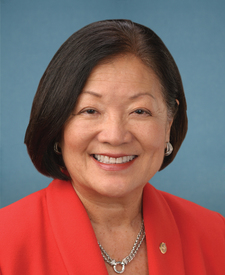
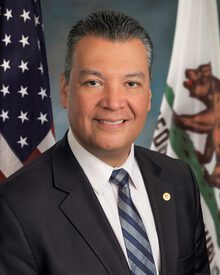

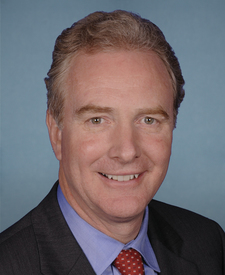
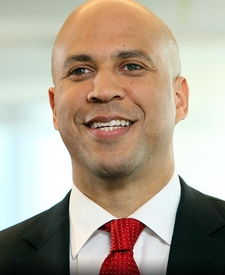
Legislative Progress
IntroducedMs. Hirono (for herself, Mr. Booker, Mr. Blumenthal, Mr. Brown, …
Stakeholder Effects
cui bono?How this legislation distributes effects. Mention counts reflect frequency, not effect magnitude.
Abstinence-only education programs, Abstinence-only education programs (Title V Section 510), Comprehensive sex education grantees
Positive-direction: Comprehensive sex education grantees, Comprehensive sex education programs, Educational service agencies, Hispanic-serving institutions, Historically Black Colleges and Universities, Local educational agencies, Minority-serving institutions, Schools providing sex education, State educational agencies, Teachers and health educators, Tribal Colleges and Universities
Negative-direction: Abstinence-only education programs, Abstinence-only education programs (Title V Section 510), Grant recipients, HIV/AIDS education programs, Programs not meeting inclusivity standards
LGBTQ+ young people, Marginalized young people, Young people ages 10-29
Nonprofit sex education organizations, Youth-serving organizations
340B covered entities (community health centers), Sexual health services providers
Bill Structure & Actor Mappings
Who is "The Secretary" in each section?
- "the_secretary"
- → Secretary of Health and Human Services
- "the_secretary_of_education"
- → Secretary of Education
- "the_secretary"
- → Secretary of Health and Human Services
Key Definitions
Terms defined in this bill
Topics, messages, and teaching methods suitable to particular ages, age groups, or developmental levels, based on cognitive, emotional, social, and behavioral capacity
Education and services that embrace and adjust to young people's cultural identities, recognize barriers facing marginalized youth, and may address racism in health policy
Young people disadvantaged by structural barriers including: Black, Indigenous, Latine, Asian American, Pacific Islander youth; immigrants; foster care youth; juvenile justice involved; homeless; pregnant/parenting; LGBTQ+; living with HIV; disabilities; low-income; rural
High quality teaching following National Sexuality Education Standards covering puberty, anatomy, sexual orientation, gender identity, contraception, pregnancy, HIV/STIs, consent, healthy relationships, and interpersonal violence
Individuals ages 10 through 29
We use a combination of our own taxonomy and classification in addition to large language models to assess meaning and potential beneficiaries. High confidence means strong textual evidence. Always verify with the original bill text.
Learn more about our methodology