To amend subchapter IV of chapter 31 of title 40, United States Code, regarding prevalent wage determinations in order to expand access to affordable housing, and for other purposes.
Analysis under review: This bill has generated analysis that may be too generic or incomplete. Clause-level evidence remains available below.
Summary
What This Bill Does
This bill, To amend subchapter IV of chapter 31 of title 40, United States Code, regarding prevalent wage determinations in order to expand access to affordable housing, and for other purposes., changes federal law or congressional policy affecting workers, employers, and labor regulators. The main policy domain is Labor, Government Operations, Civil Rights.
Who Benefits and How
workers, employers, and labor regulators may benefit from new authority, funding, eligibility, regulatory clarity, or reduced risk created by the bill.
Who Bears the Burden and How
federal implementing agencies, workers, employers, and labor regulators may take on implementation duties, reporting obligations, compliance costs, or oversight responsibilities.
Key Provisions
- Section S1: 1. Short title This Act may be cited as the Housing Supply Expansion Act.
- Section id1d56e9fd32ad4de798094195be12fc95: 2. Updates to wage rate calculations Section 3142(b) of title 40, United States Code, is amended by inserting or from geographic groupings other than civil...
- Section id2d51eb92dffd4c5a96a377363105935d: 3. Multiple wage rate determinations Section 3142 of title 40, United States Code, as amended by section 2, is further amended by adding at the end the...
- Section idc290e37689184905ade48ad5f88f2efe: 4. Davis-Bacon Modernization Working Group In this section, the term Davis-Bacon Modernization Working Group means the working group established under...
- Section ide0e283ab35b240479bd7a81ed50c22ff: 5. National Housing Act Section 212(a) of the National Housing Act (12 U.S.C. 1715c(a)) is amended by striking similar character, as determined by the...
Evidence Chain:
This summary is generated from the full bill text using AI analysis. Expand "Detailed Analysis" below for identified beneficiaries/burden bearers with clause-level evidence links.
At a Glance
What This Bill Does
This bill, To amend subchapter IV of chapter 31 of title 40, United States Code, regarding prevalent wage determinations in order to expand access to affordable housing, and for other purposes., changes federal law or congressional policy affecting workers, employers, and labor regulators.
Key Policy Areas
Labor, Government Operations, Civil Rights
Primary Purpose
This bill, To amend subchapter IV of chapter 31 of title 40, United States Code, regarding prevalent wage determinations in order to expand access to affordable housing, and for other purposes., changes federal law or congressional policy affecting workers, employers, and labor regulators.
Policy Domains
Whole bill
Identified Gains
- workers, employers, and labor regulators
Identified Costs
- federal implementing agencies
- workers, employers, and labor regulators
Sponsors

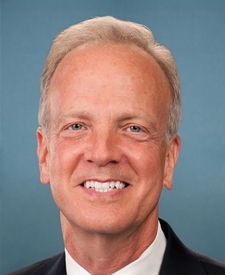
John Thune
R-SD | Primary Sponsor
Legislative Progress
IntroducedMr. Thune (for himself and Mr. Moran) introduced the following …
Impact analysis is available but no clear stakeholder effects identified. View clause-level analysis →
Bill Structure & Actor Mappings
Who is "The Secretary" in each section?
- "secretary_of_labor"
- → Secretary of Labor
- "secretary_of_housing_and_urban_development"
- → Secretary of Housing and Urban Development
We use a combination of our own taxonomy and classification in addition to large language models to assess meaning and potential beneficiaries. High confidence means strong textual evidence. Always verify with the original bill text.
Learn more about our methodology