Bankruptcy Administration Improvement Act of 2025
Summary
What This Bill Does
The Bankruptcy Administration Improvement Act of 2025 increases Chapter 7 trustee compensation, adjusts bankruptcy fee allocations, and extends temporary bankruptcy judgeships. It raises the trustee base amount under 11 U.S.C. Section 330(b)(1) from $45 to $105, which combined with the existing $15 amount raises total per-case compensation from $60 to $120.
The bill funds the increase by reallocating filing-fee proceeds and increasing Chapter 11 quarterly fees from 0.8 percent to 1.1 percent of disbursements. It extends related fee provisions through 2031, directs $5.4 million annually from Chapter 11 fees to the Treasury for fiscal years 2026 through 2031, and extends 16 temporary bankruptcy judgeships from five-year to ten-year terms.
Who Benefits and How
Chapter 7 bankruptcy trustees benefit directly because per-case compensation doubles after decades without an increase. Creditors in Chapter 7 cases, including federal agencies, state governments, medical providers, small businesses, and domestic support creditors, benefit if better-compensated trustees pursue more asset recovery and distributions. Federal bankruptcy courts and bankruptcy litigants benefit from retaining temporary judgeships longer, and the U.S. Trustee System Fund receives continued fee revenue.
Who Bears the Burden and How
Chapter 11 debtors bear the main direct cost because quarterly fees rise from 0.8 percent to 1.1 percent of disbursements. The U.S. Trustee Program and bankruptcy courts must administer the revised fee allocations and compensation rules. Chapter 7 filers are not directly burdened by a filing-fee increase, but the bankruptcy fee system shifts more revenue among trustee compensation, the U.S. Trustee System Fund, deficit reduction, and Treasury deposits.
Key Provisions
- Raises Chapter 7 trustee compensation by increasing the Section 330(b)(1) amount from $45 to $105.
- Reallocates filing-fee proceeds among trustee compensation, the Treasury special fund, the deficit-reduction fund, and the U.S. Trustee System Fund.
- Increases Chapter 11 quarterly fees from 0.8 percent to 1.1 percent of disbursements.
- Extends temporary bankruptcy fee provisions through 2031.
- Directs $5.4 million annually from Chapter 11 fees to the Treasury for fiscal years 2026 through 2031.
- Extends 16 temporary bankruptcy judgeships from five-year to ten-year terms.
- Applies trustee-compensation changes to new Chapter 7 cases and conversions after the effective date.
Evidence Chain:
This summary is generated from the full bill text using AI analysis. Expand "Detailed Analysis" below for identified beneficiaries/burden bearers with clause-level evidence links.
At a Glance
What This Bill Does
Raises Chapter 7 trustee compensation, adjusts bankruptcy filing and quarterly fee allocations, extends fee provisions through 2031, and lengthens 16 temporary bankruptcy judgeships from five-year to ten-year terms.
Key Policy Areas
Bankruptcy, Judiciary, Government Finance
Primary Purpose
Raises Chapter 7 trustee compensation, adjusts bankruptcy filing and quarterly fee allocations, extends fee provisions through 2031, and lengthens 16 temporary bankruptcy judgeships from five-year to ten-year terms.
Policy Domains
Whole bill
Identified Gains
- Chapter 7 bankruptcy trustees
- Chapter 7 creditors
- Federal bankruptcy courts
- Bankruptcy litigants
- U.S. Trustee System Fund
Identified Costs
- Chapter 11 debtors
- U.S. Trustee Program
- Bankruptcy courts
- Federal Treasury
Sponsors




Legislative Progress
Passed SenateHeld at the desk.
Received in the House.
Message on Senate action sent to the House.
Passed Senate with an amendment by Unanimous Consent. (text: CR …
Passed/agreed to in Senate: Passed Senate with an amendment by …
Measure laid before Senate by unanimous consent. (consideration: CR S5475-5476)
Senate Committee on the Judiciary discharged by Unanimous Consent.
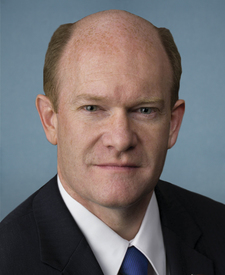
Mr. Coons (for himself, Mr. Graham, Mr. Booker, and Mrs. …
Passed Senate (inferred from es version)
Read twice and referred to the Committee on the Judiciary.
Stakeholder Effects
cui bono?How this legislation distributes effects. Mention counts reflect frequency, not effect magnitude.
Federal Treasury, U.S. Trustee Program, U.S. Trustee System Fund
Bill Structure & Actor Mappings
Who is "The Secretary" in each section?
We use a combination of our own taxonomy and classification in addition to large language models to assess meaning and potential beneficiaries. High confidence means strong textual evidence. Always verify with the original bill text.
Learn more about our methodology