To establish a domestic ownership investment facility, and for other purposes.
Sponsors
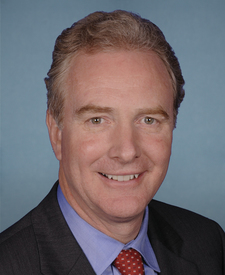
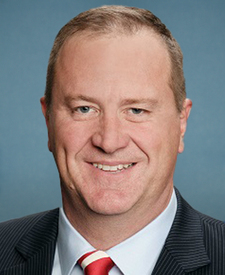
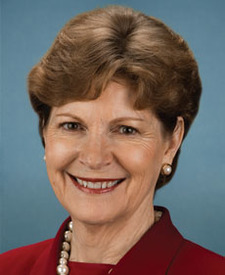
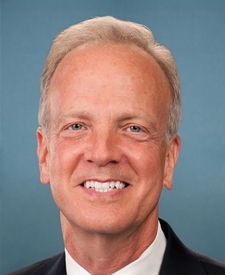
Legislative Progress
IntroducedMr. Van Hollen (for himself, Mr. Moran, Ms. Baldwin, Mr. …
Summary
What This Bill Does
This bill creates a new federal program called the "Ownership Investment Facility" within the Department of Commerce to encourage employee ownership of businesses. It establishes a system where private investment firms can become licensed "Ownership Investment Companies" (OICs) that receive government-backed loan guarantees (up to $5 billion per year) to finance the sale of businesses to their employees through Employee Stock Ownership Plans (ESOPs) or worker-owned cooperatives.
Who Benefits and How
- Private investment firms can become licensed OICs and gain access to government-guaranteed leverage of up to $500 million per firm, allowing them to make larger deals with lower borrowing costs and reduced risk
- Business owners looking to sell gain access to a new financing mechanism for transitioning ownership to employees, potentially increasing their sale options
- Employees of transitioning companies gain ownership stakes in their employers through ESOPs or cooperatives, building wealth through workplace ownership
- ESOP legal, accounting, and advisory firms benefit from increased demand for their specialized services as more companies pursue employee ownership transitions
- Worker-owned cooperatives receive dedicated financing support to expand or convert businesses to cooperative ownership
Who Bears the Burden and How
- Federal taxpayers backstop up to $5 billion annually in loan guarantees; if OICs default on their government-backed debentures, taxpayers cover the losses
- Department of Commerce must establish and staff a new regulatory program to license, examine, and oversee ownership investment companies
- Securities and Exchange Commission faces coordination requirements and must consider exemptions for OIC securities from certain registration requirements
Key Provisions
- Creates a 20-year program (with sunset provision) authorizing the Department of Commerce to guarantee debentures for licensed OICs
- Requires OICs to have at least $10 million in private capital and caps leverage at 100% of private capital or $500 million (whichever is less)
- Mandates independent trustees and fairness opinions for ESOP transactions to protect employee-buyers from overpriced deals
- Prohibits employees from providing personal financing (like wage concessions) for ESOP purchases
- Establishes a "Protege OIC Program" for emerging fund managers with less track record (capped at $100 million leverage)
- Requires comprehensive annual reporting on employee ownership outcomes including participant demographics and account balances
Evidence Chain:
This summary is derived from the structured analysis below. See "Detailed Analysis" for per-title beneficiaries/burden bearers with clause-level evidence links.
Primary Purpose
Establishes a federal facility within the Department of Commerce to provide loan guarantees (leverage) to licensed Ownership Investment Companies (OICs) that finance employee stock ownership plans (ESOPs) and worker-owned cooperatives, promoting broad-based employee ownership of businesses.
Policy Domains
Legislative Strategy
"Create a parallel program to the Small Business Administration's SBIC program specifically focused on financing employee ownership transitions, with government-backed leverage to attract private capital into ESOP and cooperative financing"
Likely Beneficiaries
- Private equity and investment firms (can become licensed OICs and access government-guaranteed leverage)
- Employees of companies transitioning to ESOPs (gain ownership stakes)
- Business owners seeking to sell (new financing source for ESOP transactions)
- Legal/accounting/advisory firms specializing in ESOPs
- Worker-owned cooperatives
Likely Burden Bearers
- Federal taxpayers (backstop B/year in loan guarantees)
- Department of Commerce (new regulatory and oversight responsibilities)
- Securities and Exchange Commission (coordination requirements)
Bill Structure & Actor Mappings
Who is "The Secretary" in each section?
- "the_secretary"
- → Secretary of Commerce
- "the_department"
- → Department of Commerce
Key Definitions
Terms defined in this bill
Debentures guaranteed by the Department of Commerce
An ownership investment company with managers having documented business experience but lacking an investment track record meeting standard requirements, selected under the mentorship program
Paid-in capital/surplus plus unfunded binding commitments, excluding borrowed funds, leverage, and most government funds
Capital provided to finance sale of ownership interest in a business to an ESOP or worker-owned cooperative resulting in majority ownership, or capital to existing ESOP/cooperative-owned businesses that maintains or increases employee ownership
A trustee that professionally serves as a fiduciary for ESOPs, has not worked for sellers or the business, and has no conflicts of interest
An independently owned and operated enterprise (any size), where investments by VCs, pension plans, foundations do not disqualify it
A company licensed by the Secretary to operate under this Act, where 100% of capital is invested in covered investments and at least 50% in ESOP/worker-cooperative conversions
A financial or valuation advisor without conflicts of interest who evaluates fairness of proposed transactions to ESOPs
We use a combination of our own taxonomy and classification in addition to large language models to assess meaning and potential beneficiaries. High confidence means strong textual evidence. Always verify with the original bill text.
Learn more about our methodology