MEME Act
Analysis under review: This bill has generated analysis that may be too generic or incomplete. Clause-level evidence remains available below.
Summary
What This Bill Does
This bill, MEME Act, changes federal law or congressional policy affecting financial institutions, investors, and borrowers. The main policy domain is Finance, Criminal Justice, Foreign Policy.
Who Benefits and How
financial institutions, investors, and borrowers may benefit from new authority, funding, eligibility, regulatory clarity, or reduced risk created by the bill.
Who Bears the Burden and How
federal implementing agencies, financial institutions, investors, and borrowers may take on implementation duties, reporting obligations, compliance costs, or oversight responsibilities.
Key Provisions
- Section H07A81E437A764E49AE77D17C40D8188E: 1. Short title This Act may be cited as the Modern Emoluments and Malfeasance Enforcement Act or the MEME Act.
- Section H69193330AC0D4136844095B72F092C95: 2. Sense of Congress It is the sense of Congress that— federally elected officials must not utilize those positions, granted by the trust of the public, for...
- Section H2C6D89FC688D47CE983752BBEE7E0E82: 3. Prohibited financial transactions Chapter 131 of title 5, United States Code, is amended by adding at the end the following: In this subchapter: The term...
- Section HE070DC97973D490B992B748CCC913856: 13151. Definitions In this subchapter: The term adjacent individual means— each officer or employee in the executive branch holding a Senior Executive Service...
- Section H28051A408E524EC09D3F9F747D9FA53C: 13152. Prohibition on certain transactions Except as provided in subsection (b), a covered individual or an adjacent individual may not engage in or benefit...
Evidence Chain:
This summary is generated from the full bill text using AI analysis. Expand "Detailed Analysis" below for identified beneficiaries/burden bearers with clause-level evidence links.
At a Glance
What This Bill Does
This bill, MEME Act, changes federal law or congressional policy affecting financial institutions, investors, and borrowers.
Key Policy Areas
Finance, Criminal Justice, Foreign Policy
Primary Purpose
This bill, MEME Act, changes federal law or congressional policy affecting financial institutions, investors, and borrowers.
Policy Domains
Whole bill
Identified Gains
- financial institutions, investors, and borrowers
Identified Costs
- federal implementing agencies
- financial institutions, investors, and borrowers
Sponsors



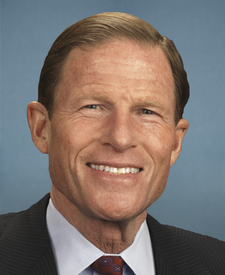
Legislative Progress
In CommitteeMr. Murphy introduced the following bill; which was read twice …
Read twice and referred to the Committee on Homeland Security …
Introduced in Senate
Impact analysis is available but no clear stakeholder effects identified. View clause-level analysis →
Bill Structure & Actor Mappings
Who is "The Secretary" in each section?
- "the_commission"
- → The commission identified in the operative section
Key Definitions
Terms defined in this bill
the issuance, sponsorship, or promotion of a covered asset for pecuniary gain. Any covered individual or adjacent individual who— knowingly violates any provision of section 13152(a) of title 5
the issuance, sponsorship, or promotion of a covered asset for pecuniary gain. (b) Benefit from prohibited financial transaction Any covered individual or adjacent individual who— (1) knowingly violates any provision of section 13152(a) of title 5
We use a combination of our own taxonomy and classification in addition to large language models to assess meaning and potential beneficiaries. High confidence means strong textual evidence. Always verify with the original bill text.
Learn more about our methodology