To amend the Internal Revenue Code of 1986 to provide a refundable tax credit for certain teachers as a supplement to State efforts to provide teachers with a livable wage, and for other purposes.
Summary
What This Bill Does
The bill creates refundable teacher tax credit Subpart C of part IV of subchapter A of chapter 1 of the Internal Revenue Code of 1986 is amended by inserting after section 36B the following new section: 36C.Teacher tax, creates teacher tax credit In the case of an individual who is an eligible educator during school years ending with or within the taxable year, there shall be allowed as a credit against the tax imposed by this chapter, and requires increase in and expansion of deduction for expenses of elementary and secondary school teachers Subparagraph (D) of section 62(a)(2) of the Internal Revenue Code of 1986 is amended by striking $250. It relies on definition changes, grants, appropriations, and tax credits. The main policy areas are Education, Finance, Environment, and Science & Space.
Who Benefits and How
Educational institutions and students affected by the bill could gain revenue opportunities, Public beneficiaries or protected communities affected by the clause could face reduced risk, and Financial services firms and customers affected by the bill could gain revenue opportunities.
Who Bears the Burden and How
Federal, state, or local agencies responsible for implementing the clause would take on compliance duties, Educational institutions and students affected by the bill would take on compliance duties, and Tribal governments and members affected by the bill would take on compliance duties.
Key Provisions
- Creates refundable teacher tax credit Subpart C of part IV of subchapter A of chapter 1 of the Internal Revenue Code of 1986 is amended by inserting after section 36B the following new section: 36C.Teacher tax...
- Creates teacher tax credit In the case of an individual who is an eligible educator during school years ending with or within the taxable year, there shall be allowed as a credit against the tax imposed by this chapter...
- Requires increase in and expansion of deduction for expenses of elementary and secondary school teachers Subparagraph (D) of section 62(a)(2) of the Internal Revenue Code of 1986 is amended by striking $250...
- Creates mandatory funding to support local educational agencies that maintain or increase teacher salaries Section 2003 of the Elementary and Secondary Education Act of 1965 (20 U.S.C.
Evidence Chain:
This summary is generated from the full bill text using AI analysis. Expand "Detailed Analysis" below for identified beneficiaries/burden bearers with clause-level evidence links.
At a Glance
What This Bill Does
The bill creates refundable teacher tax credit Subpart C of part IV of subchapter A of chapter 1 of the Internal Revenue Code of 1986 is amended by inserting after section 36B the following new section: 36C.Teacher tax, creates teacher tax credit In the case of an individual who is an eligible educator during school years ending with or within the taxable year, there shall be allowed as a credit against the tax imposed by this chapter, and requires increase in and expansion of deduction for expenses of elementary and secondary school teachers Subparagraph (D) of section 62(a)(2) of the Internal Revenue Code of 1986 is amended by striking $250.
Key Policy Areas
Education, Finance, Environment, Science & Space
Primary Purpose
The bill creates refundable teacher tax credit Subpart C of part IV of subchapter A of chapter 1 of the Internal Revenue Code of 1986 is amended by inserting after section 36B the following new section: 36C.Teacher tax, creates teacher tax credit In the case of an individual who is an eligible educator during school years ending with or within the taxable year, there shall be allowed as a credit against the tax imposed by this chapter, and requires increase in and expansion of deduction for expenses of elementary and secondary school teachers Subparagraph (D) of section 62(a)(2) of the Internal Revenue Code of 1986 is amended by striking $250.
Policy Domains
Whole bill
Identified Gains
- Educational institutions and students affected by the bill
- Public beneficiaries or protected communities affected by the clause
- Financial services firms and customers affected by the bill
Identified Costs
- Federal, state, or local agencies responsible for implementing the clause
- Educational institutions and students affected by the bill
- Tribal governments and members affected by the bill
- Researchers and scientific institutions affected by the bill
- Financial services firms and customers affected by the bill
Sponsors
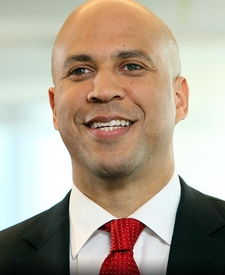
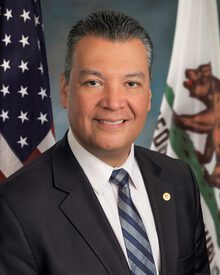


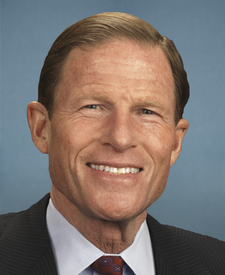
Legislative Progress
IntroducedMr. Booker (for himself, Mr. Padilla, Mr. Heinrich, Mr. Blumenthal, …
Impact analysis is available but no clear stakeholder effects identified. View clause-level analysis →
Bill Structure & Actor Mappings
Who is "The Secretary" in each section?
We use a combination of our own taxonomy and classification in addition to large language models to assess meaning and potential beneficiaries. High confidence means strong textual evidence. Always verify with the original bill text.
Learn more about our methodology