Federal Carjacking Enforcement Act
Summary
What This Bill Does
Amends the federal carjacking statute by replacing the threshold phrase requiring intent to cause death or serious bodily harm with a knowingly standard, revising the 25-year penalty tier for cases involving intent to cause death or serious bodily harm or brandishing or discharging a firearm when serious bodily injury results, and revising the death-results tier.
Who Benefits and How
Federal prosecutors benefit from a broader knowingly standard for carjacking charges. Carjacking victims benefit if federal enforcement can reach more knowing vehicle takings. Law enforcement investigators benefit from revised firearm and serious bodily injury penalty language. Communities with carjacking problems benefit if deterrence improves.
Who Bears the Burden and How
Carjacking defendants face broader federal charging exposure and revised penalty tiers. Federal public defenders must litigate the new knowingly standard and firearm clauses. Federal courts must apply revised serious bodily injury and death-results elements. DOJ charging-policy staff must update guidance for section 2119 prosecutions.
Key Provisions
- Amends title 18 section 2119 carjacking language to use a knowingly standard.
- Provides a revised 25-year penalty tier for serious bodily injury cases involving intent or firearm brandishing or discharge.
- Modifies the death-results tier to require intent to cause death or serious bodily harm when death results.
- Requires federal prosecutors and courts to apply the updated elements.
Evidence Chain:
This summary is generated from the full bill text using AI analysis. Expand "Detailed Analysis" below for identified beneficiaries/burden bearers with clause-level evidence links.
At a Glance
What This Bill Does
Amends the federal carjacking statute by replacing the threshold phrase requiring intent to cause death or serious bodily harm with a knowingly standard, revising the 25-year penalty tier for cases involving intent to cause death or serious bodily harm or brandishing or discharging a firearm when serious bodily injury results, and revising the death-results tier.
Key Policy Areas
Criminal Justice, Federal Prosecution, Carjacking
Primary Purpose
Amends the federal carjacking statute by replacing the threshold phrase requiring intent to cause death or serious bodily harm with a knowingly standard, revising the 25-year penalty tier for cases involving intent to cause death or serious bodily harm or brandishing or discharging a firearm when serious bodily injury results, and revising the death-results tier.
Policy Domains
House resolution provisions
Identified Gains
- Federal prosecutors benefit from a broader knowingly standard for carjacking charges
- Carjacking victims benefit if federal enforcement can reach more knowing vehicle takings
- Law enforcement investigators benefit from revised firearm and serious bodily injury penalty language
- Communities with carjacking problems benefit if deterrence improves
Identified Costs
- Carjacking defendants face broader federal charging exposure and revised penalty tiers
- Federal public defenders must litigate the new knowingly standard and firearm clauses
- Federal courts must apply revised serious bodily injury and death-results elements
- DOJ charging-policy staff must update guidance for section 2119 prosecutions
Sponsors

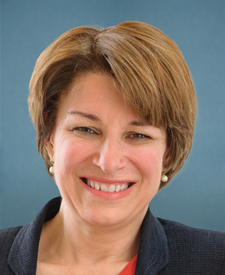

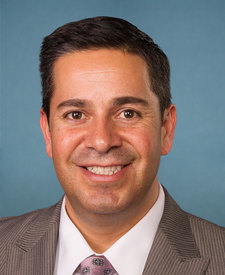
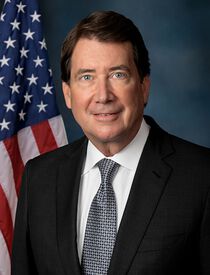
Legislative Progress
ReportedCommittee on the Judiciary. Reported by Senator Grassley with an …
Placed on Senate Legislative Calendar under General Orders. Calendar No. …
Reported by Mr. Grassley, with an amendment
Committee on the Judiciary. Ordered to be reported with an …
Mrs. Blackburn (for herself, Mr. Luján, Ms. Cortez Masto, Mr. …
Mrs. Blackburn introduced the following bill; which was read twice …
Read twice and referred to the Committee on the Judiciary.
Introduced in Senate
Stakeholder Effects
cui bono?How this legislation distributes effects. Mention counts reflect frequency, not effect magnitude.
Carjacking defendants, Federal prosecutors
Positive-direction: Federal prosecutors
Negative-direction: Carjacking defendants
Federal courts, Federal public defenders
Bill Structure & Actor Mappings
Who is "The Secretary" in each section?
We use a combination of our own taxonomy and classification in addition to large language models to assess meaning and potential beneficiaries. High confidence means strong textual evidence. Always verify with the original bill text.
Learn more about our methodology