To amend the Federal Land Policy and Management Act of 1976 to improve the management of grazing permits and leases, and for other purposes.
Analysis under review: This bill has generated analysis that may be too generic or incomplete. Clause-level evidence remains available below.
Summary
What This Bill Does
This bill allows federal land managers (USDA Forest Service and BLM) to make vacant grazing allotments temporarily available to ranchers whose permitted grazing areas have become unusable due to natural disasters like drought, wildfire, or blight.
Who Benefits and How
Ranchers with federal grazing permits gain flexibility to continue operations during disasters by using vacant allotments. Livestock can be moved to available grazing areas during emergencies.
Who Bears the Burden and How
Federal land managers must coordinate cross-agency to facilitate temporary grazing arrangements.
Key Provisions
- Authorizes temporary use of vacant allotments during extreme natural events
- Requires coordination between USDA and BLM across agency boundaries
- Protects ranchers' original allotment rights and animal unit month allocations
- Allows temporary rangeland improvements (portable corrals, fencing, water)
- Terms based on ecological conditions and prior permit terms
Evidence Chain:
This summary is generated from the full bill text using AI analysis. Expand "Detailed Analysis" below for identified beneficiaries/burden bearers.
At a Glance
What This Bill Does
Allows ranchers with federal grazing permits to temporarily use vacant grazing allotments during extreme natural events like drought, wildfire, or blight that render their usual allotments unusable.
Who Benefits
- Ranchers with federal grazing permits
Who Bears Costs
- Federal land managers (coordination)
Key Policy Areas
Agriculture, Public Lands, Ranching, Disaster Relief
Primary Purpose
Allows ranchers with federal grazing permits to temporarily use vacant grazing allotments during extreme natural events like drought, wildfire, or blight that render their usual allotments unusable.
Policy Domains
Legislative Strategy
"Provide emergency grazing flexibility during natural disasters"
Sponsors
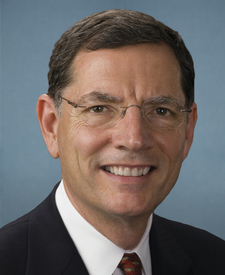
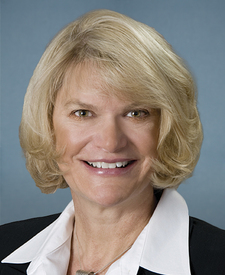
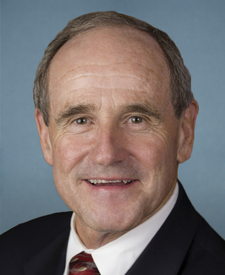
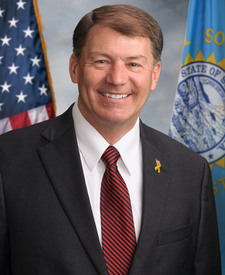
Legislative Progress
Passed SenateReported by Mr. Manchin, with an amendment
Mr. Barrasso (for himself, Ms. Lummis, Mr. Rounds, and Mr. …
Passed Senate (inferred from es version)
Stakeholder Effects
cui bono?How this legislation distributes effects. Mention counts reflect frequency, not effect magnitude.
Bureau of Land Management, Federal agencies and affected program participants, Forest Service
Bureau of Land Management, Forest Service face effects in multiple directions
Ranchers on federal lands, Ranchers with federal grazing permits
Environmental groups, Rangeland restoration contractors
Positive-direction: Rangeland restoration contractors
Negative-direction: Environmental groups
Bill Structure & Actor Mappings
Who is "The Secretary" in each section?
- "the_secretary_concerned"
- → Secretary of Agriculture (for National Forest System) or Secretary of Interior (for public lands)
Key Definitions
Terms defined in this bill
Secretary of Agriculture for National Forest System land; Secretary of the Interior for public lands
We use a combination of our own taxonomy and classification in addition to large language models to assess meaning and potential beneficiaries. High confidence means strong textual evidence. Always verify with the original bill text.
Learn more about our methodology