Living Donor Protection Act of 2025
Summary
What This Bill Does
Protects living organ donors by barring life, disability, and long-term care insurers from denying, canceling, refusing, pricing, or varying coverage solely because of living organ donor status without actual unique material actuarial risk; classifies organ donation and recovery as an FMLA serious health condition; allows federal employees to substitute organ-donor leave; and requires HHS donor education updates.
Who Benefits and How
Living organ donors benefit because insurers cannot use donor status alone to deny or vary life, disability, or long-term care coverage without actual unique material actuarial risk. Organ donor candidates benefit because HHS education materials must explain the insurance protections and FMLA changes. Workers donating organs benefit because organ donation, surgery preparation, recovery, and related activities are included in the FMLA serious-health-condition definition. Federal employee donors benefit because they may substitute available organ-donor leave during the 12-week family and medical leave period.
Who Bears the Burden and How
Life insurers, disability insurers, and long-term care insurers must justify any donor-based underwriting with actual unique material actuarial risk rather than donor status alone. State insurance regulators must enforce the insurance rule using state-law authorities. Employers administering FMLA must treat organ donation and recovery as covered serious health conditions. Federal agency leave offices must coordinate FMLA leave with organ-donor leave substitution. HHS transplant education staff and Labor Department staff must review and update public materials, websites, and media.
Key Provisions
- Prohibits insurers from denying, canceling, refusing, pricing, or varying life, disability, or long-term care coverage based solely on living organ donor status without actual unique material actuarial risk.
- Authorizes state insurance regulators to enforce the insurance protection under state law.
- Defines living organ donors to include human organ and bone marrow donors who are not deceased.
- Adds organ donation, preparation, recovery, and related activities to the FMLA serious-health-condition definition.
- Extends the same organ-donation serious-health-condition rule to federal employees and allows substitution of available organ-donor leave.
- Requires HHS, coordinated with Labor as appropriate, to update living organ donation education materials, activities, public service announcements, websites, and media.
Evidence Chain:
This summary is generated from the full bill text using AI analysis. Expand "Detailed Analysis" below for identified beneficiaries/burden bearers with clause-level evidence links.
At a Glance
What This Bill Does
Protects living organ donors by barring life, disability, and long-term care insurers from denying, canceling, refusing, pricing, or varying coverage solely because of living organ donor status without actual unique material actuarial risk; classifies organ donation and recovery as an FMLA serious health condition; allows federal employees to substitute organ-donor leave; and requires HHS donor education updates.
Key Policy Areas
Organ Donation, Insurance, Labor, Public Health
Primary Purpose
Protects living organ donors by barring life, disability, and long-term care insurers from denying, canceling, refusing, pricing, or varying coverage solely because of living organ donor status without actual unique material actuarial risk; classifies organ donation and recovery as an FMLA serious health condition; allows federal employees to substitute organ-donor leave; and requires HHS donor education updates.
Policy Domains
House resolution provisions
Identified Gains
- Living organ donors benefit because insurers cannot use donor status alone to deny or vary life, disability, or long-term care coverage without actual unique material actuarial risk
- Organ donor candidates benefit because HHS education materials must explain the insurance protections and FMLA changes
- Workers donating organs benefit because organ donation, surgery preparation, recovery, and related activities are included in the FMLA serious-health-condition definition
- Federal employee donors benefit because they may substitute available organ-donor leave during the 12-week family and medical leave period
Identified Costs
- Life insurers, disability insurers, and long-term care insurers must justify any donor-based underwriting with actual unique material actuarial risk rather than donor status alone
- State insurance regulators must enforce the insurance rule using state-law authorities
- Employers administering FMLA must treat organ donation and recovery as covered serious health conditions
- Federal agency leave offices must coordinate FMLA leave with organ-donor leave substitution
- HHS transplant education staff and Labor Department staff must review and update public materials, websites, and media
Sponsors



Legislative Progress
ReportedPlaced on Senate Legislative Calendar under General Orders. Calendar No. …
Committee on Health, Education, Labor, and Pensions. Reported by Senator …
Reported by Mr. Cassidy, with an amendment
Committee on Health, Education, Labor, and Pensions. Ordered to be …
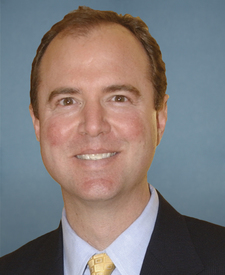
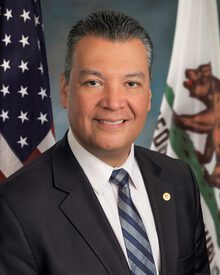
Mr. Cotton (for himself, Mrs. Gillibrand, Mrs. Hyde-Smith, Mr. Luján, …
Read twice and referred to the Committee on Health, Education, …
Introduced in Senate
Mr. Cotton (for himself, Mrs. Gillibrand, Mrs. Hyde-Smith, Mr. Luján, …
Stakeholder Effects
cui bono?How this legislation distributes effects. Mention counts reflect frequency, not effect magnitude.
HHS transplant education staff, Living organ donors, Organ donor candidates
Positive-direction: Living organ donors, Organ donor candidates
Negative-direction: HHS transplant education staff
Disability insurers, Life insurers, Long-term care insurers
Employers administering FMLA, Federal agency leave offices, Federal employee donors
Positive-direction: Federal employee donors
Negative-direction: Employers administering FMLA, Federal agency leave offices, Labor Department staff
Bill Structure & Actor Mappings
Who is "The Secretary" in each section?
- "secretary"
- → Secretary of Health and Human Services
- "secretary_of_labor"
- → Secretary of Labor
Key Definitions
Terms defined in this bill
A person who donated all or part of a human organ or bone marrow and is not deceased.
We use a combination of our own taxonomy and classification in addition to large language models to assess meaning and potential beneficiaries. High confidence means strong textual evidence. Always verify with the original bill text.
Learn more about our methodology