SHIPS for America Act of 2025
Analysis under review: This bill has generated analysis that may be too generic or incomplete. Clause-level evidence remains available below.
Summary
What This Bill Does
The SHIPS for America Act of 2025 (S.1541) is a comprehensive overhaul of U.S. maritime policy aimed at revitalizing American shipbuilding, growing the merchant marine workforce, and reducing dependence on Chinese-built vessels and shipyards. The bill creates new funding mechanisms, financial incentives, cargo requirements, and workforce programs while imposing penalties on vessels linked to China and other "countries of concern."
Who Benefits and How
American shipbuilders and shipyards benefit significantly from new financial incentives including grants, loan guarantees, and expanded Capital Construction Fund eligibility for terminal equipment. U.S.-flagged shipping companies gain from increased cargo preference requirements (rising from 50% to 100% for government cargo) and new Strategic Commercial Fleet operating agreements. American merchant mariners receive substantial workforce benefits including GI Bill-style educational benefits for combat veterans, Public Service Loan Forgiveness eligibility, a new Career Retention Program with job protections, and simplified credentialing. U.S. Merchant Marine Academy graduates gain federal retirement service credit and noncompetitive federal hiring eligibility. U.S. marine terminal operators can use tax-advantaged funds for American-made cargo handling equipment.
Who Bears the Burden and How
Chinese shipbuilders and shipping companies face substantial new barriers: penalty tonnage taxes ranging from $5-50 per ton on vessels from "countries of concern," a 200% tariff on vessel repairs in China (up from 50%), and exclusion from duty exemptions. Importers of Chinese goods must use an increasing percentage of U.S.-built, U.S.-crewed vessels (1% rising to 10% over 14 years), raising shipping costs. LNG exporters face requirements to use U.S.-built vessels for an increasing share of exports (2% rising to 15% over 22 years). Federal taxpayers fund the Maritime Security Trust Fund (capped at $20 billion) for shipbuilding incentives and workforce programs. Federal agencies face new compliance burdens with stricter cargo preference requirements and increased reporting obligations.
Key Provisions
- Creates Maritime Security Trust Fund (up to $20B) funded by tonnage taxes, tariffs on foreign repairs, and China trade penalties to support domestic maritime industry
- Increases government cargo preference from 50% to 100% for U.S.-flagged vessels
- Imposes penalty tonnage taxes on vessels from China, Russia, North Korea, and Iran ($5-50 per net ton)
- Requires increasing percentage of Chinese imports be transported on U.S.-built, U.S.-crewed vessels (1%-10% over 14 years)
- Establishes Merchant Marine Career Retention Program with USERRA protections for mariners maintaining shore careers
- Expands GI Bill educational benefits and Public Service Loan Forgiveness to qualifying merchant mariners
- Creates $30M direct hire authority for MARAD and Coast Guard to implement the Act
- Prohibits Capital Construction Fund withdrawals for Chinese-made cranes or job-displacing automated equipment
- Establishes Maritime Security Advisor in Executive Office with Maritime Security Board for policy coordination
Evidence Chain:
This summary is generated from the full bill text using AI analysis. Expand "Detailed Analysis" below for identified beneficiaries/burden bearers.
At a Glance
What This Bill Does
Revitalizes the U.S. maritime industry by establishing new funding mechanisms, financial incentives for domestic shipbuilding, cargo preferences for American vessels, workforce development programs, and penalties on vessels from countries of concern (primarily China) to enhance national defense sealift capability and economic security.
Who Benefits
- U.S. shipbuilders and shipyards (receive financial incentives, reduced foreign competition)
- U.S. maritime workers and merchant mariners (loan forgiveness, career programs, credentialing modernization)
- U.S. shipping companies (cargo preferences, reduced tariffs on foreign repairs if in security fleets)
Who Bears Costs
- Chinese shipyards and shipping companies (penalty tonnage taxes, exclusion from US programs)
- Foreign vessels from countries of concern (higher taxes, excluded from duty exemptions)
- Importers of goods from China (must use increasing percentage of US-built, US-crewed ships)
Key Policy Areas
Maritime Transportation, National Defense, Trade, Workforce Development, Shipbuilding, Tax Policy, Education
Primary Purpose
Revitalizes the U.S. maritime industry by establishing new funding mechanisms, financial incentives for domestic shipbuilding, cargo preferences for American vessels, workforce development programs, and penalties on vessels from countries of concern (primarily China) to enhance national defense sealift capability and economic security.
Policy Domains
Legislative Strategy
"Rebuild America's maritime industry through a combination of financial incentives (grants, loans, tax benefits), trade barriers (tonnage taxes on Chinese vessels), cargo mandates (requiring US ships for certain imports/exports), and workforce development (training, credentialing, loan forgiveness)"
Identified Gains
- U.S. shipbuilders and shipyards (receive financial incentives, reduced foreign competition)
- U.S. maritime workers and merchant mariners (loan forgiveness, career programs, credentialing modernization)
- U.S. shipping companies (cargo preferences, reduced tariffs on foreign repairs if in security fleets)
- U.S. Merchant Marine Academy and state maritime academies (facility modernization, scholarships)
- Defense contractors in maritime sector (sealift contracts, military vessel programs)
- U.S. ports and marine terminals (Capital Construction Fund expanded to include terminal equipment)
Identified Costs
- Chinese shipyards and shipping companies (penalty tonnage taxes, exclusion from US programs)
- Foreign vessels from countries of concern (higher taxes, excluded from duty exemptions)
- Importers of goods from China (must use increasing percentage of US-built, US-crewed ships)
- LNG exporters (required to use increasing percentage of US vessels)
- Federal taxpayers (billions in new appropriations for shipbuilding, training, academy modernization)
- Agricultural exporters (more stringent cargo preference requirements)
Sponsors



Legislative Progress
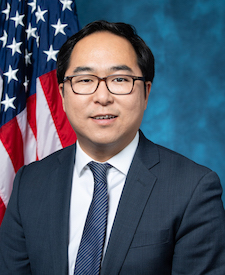
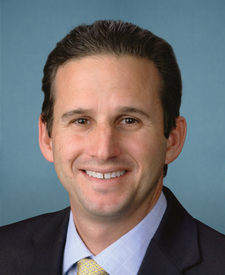
In CommitteeMr. Kelly (for himself, Mr. Young, Ms. Murkowski, Ms. Baldwin, …
Read twice and referred to the Committee on Commerce, Science, …
Introduced in Senate
Stakeholder Effects
cui bono?How this legislation distributes effects. Mention counts reflect frequency, not effect magnitude.
Chinese and foreign country of concern vessel operators, Chinese and foreign country of concern vessels, Chinese and foreign shipping companies
Positive-direction: Credentialed US merchant mariners, Marine terminal operators, Maritime freight industry, Maritime technology startups, Maritime workforce recruitment programs, Merchant mariners and shipyard workers with student loans, Merchant mariners in Navy/Coast Guard Reserve, Noncitizen nationals from US territories, Port infrastructure developers, Port operators and marine terminals, Private vessel owners and operators, Retired or inactive merchant mariners, Spouses of merchant mariners in reserve service, Strategic Commercial Fleet vessel operators, Transitioning military servicemembers, U.S. commercial vessel operators, U.S. flag vessel operators, U.S. merchant marine officers, U.S. merchant mariners, U.S. merchant mariners (deck department), U.S. shipping companies, U.S. vessel operators, US Merchant Marine Academy graduates and experienced mariners, US commercial vessel operators, US marine terminal operators, US mariners, naval architects, and marine engineers, US maritime industry (shipbuilders, operators, mariners), US maritime industry stakeholders, US merchant mariners, US vessel operators in Maritime Security Fleet programs, US-flagged shipping companies, Vessel operators using Capital Construction Funds, Vessel purchasers, Vessel purchasers and operators, Veteran merchant mariners with combat zone service
Negative-direction: Chinese and foreign country of concern vessel operators, Chinese and foreign country of concern vessels, Chinese and foreign shipping companies, Chinese and foreign shipping companies from countries of concern, Chinese shipping companies, Foreign LNG vessel operators, Foreign shipping companies, Foreign shipping companies serving US government contracts, Foreign vessel operators, Strategic Commercial Fleet participants, USMMA graduates with service obligations, Vessels built in foreign shipyards of concern
Agricultural export programs, Coast Guard, Coast Guard credentialing office
Department of Defense faces effects in multiple directions
Positive-direction: Environmental regulators, Federal agencies shipping cargo, Maritime Administration, Military Sealift Command merchant mariners, US Merchant Marine Academy graduates in federal service
Negative-direction: Agricultural export programs, Coast Guard, Coast Guard credentialing office, Department of Transportation, Federal Maritime Commission, Federal agencies subject to cargo preference, Federal agencies with shipping needs, Maritime Administration and Coast Guard, Maritime Administrator, Navy, Secretary of Transportation
Chinese and foreign country of concern shipyards, Commercial shipbuilders, Foreign shipyards
Positive-direction: Commercial shipbuilders, Small U.S. shipyards, U.S. shipbuilding industry, U.S. shipyards
Negative-direction: Chinese and foreign country of concern shipyards, Foreign shipyards
For-profit training providers, K-12 students interested in maritime careers, Maritime academy cadets
Chinese shipyards providing repair services, US LNG tanker builders, US shipbuilders
Positive-direction: US LNG tanker builders, US shipbuilders, US shipyards, US shipyards and maritime suppliers, US shipyards providing repair services
Negative-direction: Chinese shipyards providing repair services
Offshore oil and gas facility operators, Offshore oil and gas operators with vessels and platforms, US LNG exporters
Chinese crane and equipment manufacturers, US cargo handling equipment manufacturers
Positive-direction: US cargo handling equipment manufacturers
Negative-direction: Chinese crane and equipment manufacturers
Bill Structure & Actor Mappings
Who is "The Secretary" in each section?
- "the_president"
- → President of the United States
- "the_secretary"
- → Secretary of Transportation
- "the_maritime_administrator"
- → Maritime Administrator (MARAD)
- "the_maritime_security_advisor"
- → Maritime Security Advisor (new position in Executive Office)
- "the_maritime_administrator"
- → Maritime Administrator
- "the_maritime_security_advisor"
- → Maritime Security Advisor
- "the_secretary"
- → Secretary of Transportation
- "the_secretary_of_defense"
- → Secretary of Defense
- "the_maritime_administrator"
- → Maritime Administrator
- "the_secretary"
- → Secretary of Transportation
- "the_commission"
- → Federal Energy Regulatory Commission (for LNG exports)
- "the_administrator"
- → Maritime Administrator
- "the_secretary_of_agriculture"
- → Secretary of Agriculture
- "the_secretary_of_energy"
- → Secretary of Energy (for DOE loan guarantees)
- "the_secretary_of_the_navy"
- → Secretary of the Navy
- "the_maritime_administrator"
- → Maritime Administrator
- "the_secretary"
- → Secretary of Transportation
- "the_secretary_of_defense"
- → Secretary of Defense
- "the_secretary_coast_guard"
- → Secretary of the department in which the Coast Guard is operating
- "the_maritime_administrator"
- → Maritime Administrator
Note: 'The Secretary' generally refers to Secretary of Transportation throughout the bill, but in Coast Guard credentialing provisions (Sec 631-636) refers to Secretary of the department in which the Coast Guard is operating
Key Definitions
Terms defined in this bill
Senate Armed Services, Commerce, and Appropriations; House Armed Services, Transportation and Infrastructure, and Appropriations
Transportation of goods or passengers between places in the United States
Trade between the United States and a foreign country, or between foreign countries
A covered nation under 10 USC 4872(d) [China, Russia, North Korea, Iran] or any country the Maritime Administrator determines is engaged in conduct detrimental to US national security or foreign policy
Foreign governments, foreign political parties, non-US persons, or foreign-organized corporations; includes entities owned/controlled by these
Foreign entities owned by, controlled by, or subject to direction of a foreign country of concern
Shipyard owned by government/entity of concern with capacity to produce military and commercial vessels, or designated by Maritime Security Advisor
Vessel documented under chapter 121 of title 46, US Code
We use a combination of our own taxonomy and classification in addition to large language models to assess meaning and potential beneficiaries. High confidence means strong textual evidence. Always verify with the original bill text.
Learn more about our methodology