Colorado River Basin System Conservation Extension Act
Summary
What This Bill Does
Extends the Colorado River System conservation pilot program by two years, continuing compensation for voluntary water conservation to help maintain storage in Lake Powell and Lake Mead.
Who Benefits and How
Participating water users in the Colorado River Basin can continue receiving compensation for voluntary conservation, and basin states and reservoir-dependent communities benefit from continued drought-management support.
Who Bears the Burden and How
Federal funding remains committed to the program, and water users choosing participation must continue to reduce consumption under pilot program terms.
Key Provisions
- Extends funding authorization for the pilot program from 2024 to 2026.
- Extends program authority from 2025 to 2027.
- Continues compensation for willing water users who voluntarily conserve water.
- Supports ongoing efforts to maintain storage levels in Lake Powell and Lake Mead.
Evidence Chain:
This summary is generated from the full bill text using AI analysis. Expand "Detailed Analysis" below for identified beneficiaries/burden bearers.
At a Glance
What This Bill Does
Extends the Colorado River System conservation pilot program by two years, continuing compensation for voluntary water conservation to help maintain storage in Lake Powell and Lake Mead.
Key Policy Areas
Water Resources, Environment, Agriculture
Primary Purpose
Extends the Colorado River System conservation pilot program by two years, continuing compensation for voluntary water conservation to help maintain storage in Lake Powell and Lake Mead.
Policy Domains
Main Provisions
Identified Gains
Contextual inference, no direct clause citation- Participating Colorado River Basin water users and communities dependent on stabilized reservoir levels
Contextual inference, no direct clause citation
Identified Costs
Contextual inference, no direct clause citation- Federal funding sources and participating users who reduce water consumption
Contextual inference, no direct clause citation
Sponsors


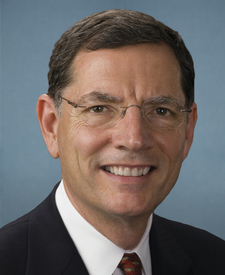
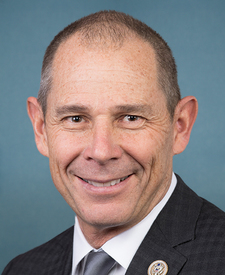

Legislative Progress
Passed SenateHeld at the desk.
Received in the House.
Message on Senate action sent to the House.
Passed Senate without amendment by Voice Vote. (text: CR S3459)
Passed/agreed to in Senate: Passed Senate without amendment by Voice …
Senate Committee on Energy and Natural Resources discharged by Unanimous …
Senate Committee on Energy and Natural Resources discharged by Unanimous …
Mr. Hickenlooper (for himself, Mr. Barrasso, Mr. Curtis, Ms. Lummis, …
Passed Senate (inferred from es version)
Introduced in Senate
Stakeholder Effects
cui bono?How this legislation distributes effects. Mention counts reflect frequency, not effect magnitude.
Tribal water rights holders in Colorado River Basin
Downstream water users (Arizona, California, Nevada)
Bill Structure & Actor Mappings
Who is "The Secretary" in each section?
We use a combination of our own taxonomy and classification in addition to large language models to assess meaning and potential beneficiaries. High confidence means strong textual evidence. Always verify with the original bill text.
Learn more about our methodology