To address the homelessness and housing crises, to move toward the goal of providing for a home for all Americans, and for other purposes.
Sponsors
Legislative Progress
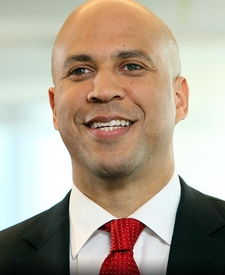
IntroducedMr. Padilla (for himself, Mr. Booker, Mr. Heinrich, Ms. Hirono, …
Summary
What This Bill Does
This is a comprehensive federal housing bill aimed at ending homelessness and making housing affordable for all Americans. It authorizes major federal investments in affordable housing construction, converts the Section 8 housing voucher program from a limited program into an entitlement (meaning everyone who qualifies would receive assistance), and provides grants to address homelessness. The bill places significant emphasis on racial equity and serving vulnerable populations who experience housing instability at higher rates.
Who Benefits and How
Low-income renters and extremely low-income families would gain access to guaranteed rental assistance through the expanded Section 8 voucher program, which would become an entitlement rather than a lottery-based system with long waiting lists. Homeless individuals and families would benefit from increased funding for shelters, permanent supportive housing, and homelessness prevention programs. Elderly individuals and people with disabilities would receive expanded access to supportive housing designed to meet their needs. Communities of color would benefit from provisions specifically designed to address racial disparities in housing access and discrimination. Veterans, foster youth, and formerly incarcerated individuals are explicitly prioritized as populations at higher risk of homelessness. Affordable housing developers, public housing agencies, and nonprofit housing organizations would receive substantial federal funding to build and maintain affordable housing units.
Who Bears the Burden and How
Federal taxpayers would fund significant new appropriations for these housing programs, representing a major expansion of federal housing spending. The Department of Housing and Urban Development (HUD) would face substantially increased administrative and oversight responsibilities to implement these programs. Private landlords may face additional fair housing requirements and compliance obligations, though they could also benefit from guaranteed rental payments through the voucher program.
Key Provisions
- Converts Section 8 housing vouchers to an entitlement - eligible households (those earning below 50% of area median income) would be guaranteed assistance rather than waiting on limited voucher availability
- Creates a Commission on Racial Equity in Housing - establishes oversight body to address historical and ongoing housing discrimination affecting communities of color
- Expands investments in affordable housing construction - authorizes funding for new affordable housing units for low-income renters, elderly individuals, and people with disabilities
- Increases homelessness prevention and response funding - provides grants through the McKinney-Vento framework for emergency shelters, transitional housing, and permanent supportive housing
- Improves public housing infrastructure - authorizes funding for repairs and modernization of existing public housing stock
- Prioritizes vulnerable populations - explicitly includes LGBTQ+ individuals, foster youth, justice system-involved individuals, and people with disabilities as populations at higher risk requiring targeted support
Evidence Chain:
This summary is derived from the structured analysis below. See "Detailed Analysis" for per-title beneficiaries/burden bearers with clause-level evidence links.
Primary Purpose
Authorizes massive federal investments in affordable housing programs, expands housing choice vouchers to an entitlement, and addresses homelessness through grants, with emphasis on racial equity and serving vulnerable populations.
Policy Domains
Legislative Strategy
"Massive federal investment in affordable housing with emphasis on racial equity, converting Section 8 vouchers to an entitlement, and expanding permanent supportive housing for vulnerable populations"
Likely Beneficiaries
- Low-income renters
- Extremely low-income families
- Homeless individuals and families
- Elderly individuals needing supportive housing
- People with disabilities
- Affordable housing developers
- Public housing agencies
- Nonprofit housing organizations
- Communities of color experiencing housing discrimination
- Veterans
- Foster youth and former foster youth
- Justice system-involved individuals
Likely Burden Bearers
- Federal taxpayers (significant appropriations)
- HUD (administration and oversight)
- Potentially private landlords (fair housing requirements)
Bill Structure & Actor Mappings
Who is "The Secretary" in each section?
- "the_secretary"
- → Secretary of Housing and Urban Development
- "the_council"
- → United States Interagency Council on Homelessness
- "the_secretary"
- → Secretary of Housing and Urban Development
- "the_commission"
- → Commission on Racial Equity in Housing
- "the_secretary"
- → Secretary of Housing and Urban Development
- "the_secretary"
- → Secretary of Housing and Urban Development
- "the_secretary"
- → Secretary of Housing and Urban Development
Key Definitions
Terms defined in this bill
Has the meaning given the term in section 401 of the McKinney-Vento Homeless Assistance Act (42 U.S.C. 11360)
Has the meanings given those terms in section 103 of the McKinney-Vento Homeless Assistance Act (42 U.S.C. 11302)
Has the meanings given those terms in section 4 of the Native American Housing Assistance and Self-Determination Act of 1996 (25 U.S.C. 4103)
Includes individuals who are or have been incarcerated or held in municipal, State, or Federal jails, prisons, juvenile facilities, or other types of detention facilities, who have been held in pre-trial or post-conviction detention, who have an arrest or conviction regardless of whether they were detained or incarcerated, who have been held in immigration detention, or, with respect to youth, who are or have been held in the custody of the Office of Refugee Resettlement
A group of individuals that is defined by a common characteristic and that has been found to experience homelessness, housing instability, or to be cost-burdened at a rate higher than that of the general public. Includes Asian, Black, Latino, Native American, Native Hawaiian, Pacific Islander and other communities of color, individuals with disabilities, including mental health disabilities, elderly individuals, foster and former foster youth, LGBTQ+ individuals, gender non-binary and gender non-conforming individuals, and veterans
Has the meaning given the term in section 3(b)(6) of the United States Housing Act of 1937 (42 U.S.C. 1437a(b)(6))
The Secretary of Housing and Urban Development
A family who initially has an income that does not exceed 50 percent of the maximum income limitation for extremely low-income families, or is an extremely low-income family that includes an individual who is a recipient of supplemental security income benefits
We use a combination of our own taxonomy and classification in addition to large language models to assess meaning and potential beneficiaries. High confidence means strong textual evidence. Always verify with the original bill text.
Learn more about our methodology