To require reporting of suspicious transmissions in order to assist in criminal investigations and counterintelligence activities relating to international terrorism, and for other purposes.
Summary
What This Bill Does
The bill requires sense of Congress It is the sense of Congress that— section 230 of the Communications Act of 1934 (47 U.S.C, requires definitions In this Act: The term Department means the Department of Justice, and provides reporting of suspicious activity If a provider of an interactive computer service detects a suspicious transmission, the provider, including any director, officer, employee, agent, or representative of. It relies on reporting requirements, compliance mandates, liability protections, and definition changes. The main policy areas are Healthcare Consumers, Energy, Healthcare, and Technology.
Who Benefits and How
Tribal governments and members affected by the bill could face lower compliance burdens, Patients and health care consumers affected by the bill could face lower compliance burdens, and Environmental and public health interests affected by the bill could face lower compliance burdens.
Who Bears the Burden and How
Federal, state, or local agencies responsible for implementing the clause would take on compliance duties, Telecommunications providers and users affected by the bill would take on compliance duties, and Electric utilities and power customers affected by the bill would take on compliance duties.
Key Provisions
- Requires sense of Congress It is the sense of Congress that— section 230 of the Communications Act of 1934 (47 U.S.C.
- Requires definitions In this Act: The term Department means the Department of Justice.
- Provides reporting of suspicious activity If a provider of an interactive computer service detects a suspicious transmission, the provider, including any director, officer, employee, agent, or representative of...
- Requires amendment to Communications Decency Act Section 230(e) of the Communications Act of 1934 (47 U.S.C.
Evidence Chain:
This summary is generated from the full bill text using AI analysis. Expand "Detailed Analysis" below for identified beneficiaries/burden bearers with clause-level evidence links.
At a Glance
What This Bill Does
The bill requires sense of Congress It is the sense of Congress that— section 230 of the Communications Act of 1934 (47 U.S.C, requires definitions In this Act: The term Department means the Department of Justice, and provides reporting of suspicious activity If a provider of an interactive computer service detects a suspicious transmission, the provider, including any director, officer, employee, agent, or representative of.
Key Policy Areas
Healthcare Consumers, Energy, Healthcare, Technology
Primary Purpose
The bill requires sense of Congress It is the sense of Congress that— section 230 of the Communications Act of 1934 (47 U.S.C, requires definitions In this Act: The term Department means the Department of Justice, and provides reporting of suspicious activity If a provider of an interactive computer service detects a suspicious transmission, the provider, including any director, officer, employee, agent, or representative of.
Policy Domains
Whole bill
Identified Gains
- Tribal governments and members affected by the bill
- Patients and health care consumers affected by the bill
- Environmental and public health interests affected by the bill
- Electric utilities and power customers affected by the bill
Identified Costs
- Federal, state, or local agencies responsible for implementing the clause
- Telecommunications providers and users affected by the bill
- Electric utilities and power customers affected by the bill
- Patients and health care consumers affected by the bill
- Law enforcement, justice-system actors, and affected communities
Sponsors
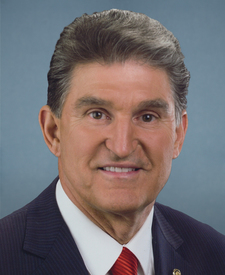
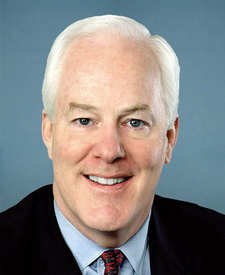
Legislative Progress
IntroducedMr. Manchin (for himself and Mr. Cornyn) introduced the following …
Stakeholder Effects
cui bono?How this legislation distributes effects. Mention counts reflect frequency, not effect magnitude.
Law enforcement, justice-system actors, and affected communities
Bill Structure & Actor Mappings
Who is "The Secretary" in each section?
We use a combination of our own taxonomy and classification in addition to large language models to assess meaning and potential beneficiaries. High confidence means strong textual evidence. Always verify with the original bill text.
Learn more about our methodology