SAVES Act of 2025
Summary
What This Bill Does
Creates a five-year VA pilot grant program, starting within 24 months, to award competitive grants of up to $2,000,000 per fiscal year to nonprofit service-dog organizations that provide no-fee service dogs, veteran training, dog training, humane standards, ADA-compliant experience, marketing to eligible veterans, and ongoing support, with $10,000,000 authorized for each of five fiscal years.
Who Benefits and How
Veterans with blindness, hearing loss, limb loss, paralysis, mobility conditions, PTSD, traumatic brain injury, or other VA-approved conditions benefit because they can receive service dogs without a fee. Service dog nonprofits benefit from competitive grants, VA technical assistance, and the possibility of awards above $2,000,000 when inflation or program needs justify it and Congress receives 30-day notice. Veterinary insurance providers benefit because VA must provide commercially available policies for service dogs received through the grants. Veterans relying on service dogs benefit from continued insurance coverage even after the pilot terminates.
Who Bears the Burden and How
VA grant managers must establish the pilot within 24 months, review nonprofit applications, negotiate grant agreements, set payment intervals, monitor allowed uses, provide technical assistance, collect reports, and fund veterinary insurance. Nonprofit grantees must document service-dog training, veteran training, support services, marketing, humane animal standards, and ADA-compliant experience. Congress must monitor notices for above-cap grants and the five-year authorization. Ineligible or inexperienced service-dog organizations face a competitive disadvantage because the grant criteria favor proven ADA-compliant training experience.
Key Provisions
- Establishes a VA service-dog pilot grant program within 24 months.
- Authorizes competitive grants to nonprofits providing service dogs to eligible veterans.
- Requires applications to describe veteran training, dog training, support services, marketing, humane standards, and ADA-compliant experience.
- Caps grants at $2,000,000 per fiscal year unless inflation or program needs justify a higher award with 30-day congressional notice.
- Bars grantees from charging veterans a fee for service dogs.
- Requires VA to provide commercially available veterinary insurance for each covered service dog.
- Authorizes $10,000,000 for each of five fiscal years beginning with pilot establishment.
Evidence Chain:
This summary is generated from the full bill text using AI analysis. Expand "Detailed Analysis" below for identified beneficiaries/burden bearers with clause-level evidence links.
At a Glance
What This Bill Does
Creates a five-year VA pilot grant program, starting within 24 months, to award competitive grants of up to $2,000,000 per fiscal year to nonprofit service-dog organizations that provide no-fee service dogs, veteran training, dog training, humane standards, ADA-compliant experience, marketing to eligible veterans, and ongoing support, with $10,000,000 authorized for each of five fiscal years.
Key Policy Areas
Veterans, Service Dogs, Grants, Disability Services
Primary Purpose
Creates a five-year VA pilot grant program, starting within 24 months, to award competitive grants of up to $2,000,000 per fiscal year to nonprofit service-dog organizations that provide no-fee service dogs, veteran training, dog training, humane standards, ADA-compliant experience, marketing to eligible veterans, and ongoing support, with $10,000,000 authorized for each of five fiscal years.
Policy Domains
House resolution provisions
Identified Gains
- Veterans with blindness, hearing loss, limb loss, paralysis, mobility conditions, PTSD, traumatic brain injury, or other VA-approved conditions benefit because they can receive service dogs without a fee
- Service dog nonprofits benefit from competitive grants, VA technical assistance, and the possibility of awards above $2,000,000 when inflation or program needs justify it and Congress receives 30-day notice
- Veterinary insurance providers benefit because VA must provide commercially available policies for service dogs received through the grants
- Veterans relying on service dogs benefit from continued insurance coverage even after the pilot terminates
Identified Costs
- VA grant managers must establish the pilot within 24 months, review nonprofit applications, negotiate grant agreements, set payment intervals, monitor allowed uses, provide technical assistance, collect reports, and fund veterinary insurance
- Nonprofit grantees must document service-dog training, veteran training, support services, marketing, humane animal standards, and ADA-compliant experience
- Congress must monitor notices for above-cap grants and the five-year authorization
- Ineligible or inexperienced service-dog organizations face a competitive disadvantage because the grant criteria favor proven ADA-compliant training experience
Sponsors


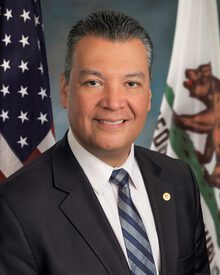


Legislative Progress
ReportedPlaced on Senate Legislative Calendar under General Orders. Calendar No. …
Committee on Veterans' Affairs. Reported by Senator Moran with an …
Reported by Mr. Moran, with an amendment
Committee on Veterans' Affairs. Ordered to be reported with an …
Committee on Veterans' Affairs. Hearings held.
Committee on Veterans' Affairs. Hearings held. Hearings printed: S.Hrg. 119-86.
Mr. Tillis (for himself, Mr. Blumenthal, Mr. Cornyn, Mr. Durbin, …
Read twice and referred to the Committee on Veterans' Affairs.
Introduced in Senate
Mr. Tillis (for himself, Mr. Blumenthal, Mr. Cornyn, Mr. Durbin, …
Stakeholder Effects
cui bono?How this legislation distributes effects. Mention counts reflect frequency, not effect magnitude.
VA grant managers, Veterans needing service dogs
Positive-direction: Veterans needing service dogs
Negative-direction: VA grant managers
Nonprofit grantees, Service dog nonprofits
Positive-direction: Service dog nonprofits
Negative-direction: Nonprofit grantees
Bill Structure & Actor Mappings
Who is "The Secretary" in each section?
- "secretary"
- → Secretary of Veterans Affairs
We use a combination of our own taxonomy and classification in addition to large language models to assess meaning and potential beneficiaries. High confidence means strong textual evidence. Always verify with the original bill text.
Learn more about our methodology