To prohibit the use of taxpayer dollars to support animal experimentation in the laboratories of adversarial nations.
Analysis under review: This bill has generated analysis that may be too generic or incomplete. Clause-level evidence remains available below.
Summary
What This Bill Does
The bill prohibits the Secretary of Health and Human Services from conducting or funding biomedical research involving vertebrate animal testing in adversarial foreign nations (China, Iran, North Korea, Russia) and authorizes. It relies on compliance mandates, trade restrictions, and reporting requirements. The main policy areas are Science & Space, Health, and Trade.
Who Benefits and How
Domestic biomedical research laboratories could gain revenue opportunities.
Who Bears the Burden and How
HHS and NIH research programs would take on compliance duties, Contract research organizations (CROs) in adversarial nations could lose revenue opportunities, and U.S. research institutions with foreign animal research collaborations would take on compliance duties.
Key Provisions
- Prohibits the Secretary of Health and Human Services from conducting or funding biomedical research involving vertebrate animal testing in adversarial foreign nations (China, Iran, North Korea, Russia) and authorizes...
Evidence Chain:
This summary is generated from the full bill text using AI analysis. Expand "Detailed Analysis" below for identified beneficiaries/burden bearers with clause-level evidence links.
At a Glance
What This Bill Does
The bill prohibits the Secretary of Health and Human Services from conducting or funding biomedical research involving vertebrate animal testing in adversarial foreign nations (China, Iran, North Korea, Russia) and authorizes.
Key Policy Areas
Science & Space, Health, Trade
Primary Purpose
The bill prohibits the Secretary of Health and Human Services from conducting or funding biomedical research involving vertebrate animal testing in adversarial foreign nations (China, Iran, North Korea, Russia) and authorizes.
Policy Domains
Section 2 - Prohibition on funding research on animals in certain foreign countries
Identified Gains
- Domestic biomedical research laboratories
Identified Costs
- HHS and NIH research programs
- Contract research organizations (CROs) in adversarial nations
- U.S. research institutions with foreign animal research collaborations
- U.S. pharmaceutical and biotech companies
Sponsors

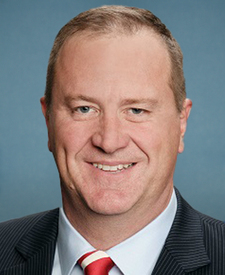
Joni Ernst
R-IA | Primary Sponsor
Legislative Progress
IntroducedMs. Ernst (for herself and Mr. Schmitt) introduced the following …
Stakeholder Effects
cui bono?How this legislation distributes effects. Mention counts reflect frequency, not effect magnitude.
Contract research organizations (CROs) in adversarial nations, Domestic biomedical research laboratories, U.S. research institutions with foreign animal research collaborations
Positive-direction: Domestic biomedical research laboratories
Negative-direction: Contract research organizations (CROs) in adversarial nations, U.S. research institutions with foreign animal research collaborations
Bill Structure & Actor Mappings
Who is "The Secretary" in each section?
- "the_secretary"
- → Secretary of Health and Human Services
Key Definitions
Terms defined in this bill
The Committee on Appropriations of the Senate; the Committee on Health, Education, Labor, and Pensions of the Senate; the Committee on Homeland Security and Governmental Affairs of the Senate; the Committee on Appropriations of the House of Representatives; the Committee on Energy and Commerce of the House of Representatives
We use a combination of our own taxonomy and classification in addition to large language models to assess meaning and potential beneficiaries. High confidence means strong textual evidence. Always verify with the original bill text.
Learn more about our methodology