To prohibit brand name drug companies from compensating generic drug companies to delay the entry of a generic drug into the market, and to prohibit biological product manufacturers from compensating biosimilar and interchangeable companies to delay the entry of biosimilar biological products and interchangeable biological products.
Analysis under review: This bill has generated analysis that may be too generic or incomplete. Clause-level evidence remains available below.
Summary
What This Bill Does
This bill bans 'pay-for-delay' deals where brand-name pharmaceutical companies pay generic drug makers to delay bringing cheaper generic versions to market. These agreements, also called 'reverse payment settlements,' allow brand companies to maintain monopoly pricing longer. The bill presumes such agreements are anticompetitive and violate FTC rules.
Who Benefits and How
Consumers and health care payers benefit from earlier access to generic drugs, which cost 80-85% less than brand-name versions. Federal health programs (Medicare, Medicaid) benefit from reduced drug spending - the government pays over 40% of the $325 billion spent on retail prescription drugs. Generic drug companies that choose to compete rather than accept payments benefit from clearer market entry timelines.
Who Bears the Burden and How
Brand-name pharmaceutical companies lose the ability to pay competitors to stay out of the market, reducing their ability to extend monopoly profits. Generic drug companies lose a lucrative income stream from accepting delay payments. Both must provide sworn certifications to the FTC and DOJ that settlement agreements are complete and not anticompetitive.
Key Provisions
- Agreements where generic filers receive value and agree to delay market entry are presumed anticompetitive
- Parties must prove by clear and convincing evidence that agreements are procompetitive
- Requires CEO certifications that filed agreements are complete and include all related deals
- FTC must report on potential exclusion for damage waiver settlements
Evidence Chain:
This summary is generated from the full bill text using AI analysis. Expand "Detailed Analysis" below for identified beneficiaries/burden bearers with clause-level evidence links.
At a Glance
What This Bill Does
Prohibit 'pay-for-delay' agreements where brand name drug companies compensate generic or biosimilar companies to delay market entry, to increase competition and lower prescription drug prices.
Key Policy Areas
Pharmaceutical Industry, Antitrust, Healthcare, Consumer Protection
Primary Purpose
Prohibit 'pay-for-delay' agreements where brand name drug companies compensate generic or biosimilar companies to delay market entry, to increase competition and lower prescription drug prices.
Policy Domains
Preserve Access to Affordable Generics and Biosimilars Act
Identified Gains
- Consumers and patients
- Federal health programs (Medicare, Medicaid)
- Health insurers
- Generic drug companies choosing to compete
Identified Costs
- Brand-name pharmaceutical companies
- Generic companies receiving delay payments
- FTC (enforcement)
Sponsors
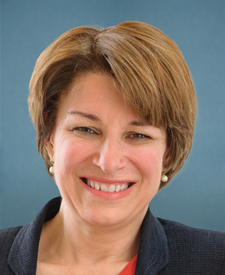
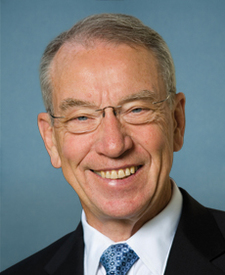

Legislative Progress
IntroducedMs. Klobuchar (for herself, Mr. Grassley, Mr. Durbin, Mr. Cramer, …
Ms. Klobuchar (for herself, Mr. Grassley, Mr. Durbin, Mr. Cramer, …
Stakeholder Effects
cui bono?How this legislation distributes effects. Mention counts reflect frequency, not effect magnitude.
Biosimilar manufacturers, Brand pharmaceutical companies, Brand-name pharmaceutical companies
Positive-direction: Generic drug companies competing on merits, Pharmaceutical companies settling legitimately
Negative-direction: Biosimilar manufacturers, Brand pharmaceutical companies, Brand-name pharmaceutical companies, Generic drug companies accepting delay payments, Pharmaceutical companies entering settlements, Pharmaceutical companies in PTAB proceedings, Pharmaceutical companies settling PTAB proceedings, Pharmaceutical company CEOs, Pharmaceutical company executives
Law enforcement, justice-system actors, and affected communities
Bill Structure & Actor Mappings
Who is "The Secretary" in each section?
- "anda_filer"
- → Generic drug company filing Abbreviated New Drug Application
- "nda_holder"
- → Brand-name drug company holding New Drug Application
- "the_commission"
- → Federal Trade Commission
Key Definitions
Terms defined in this bill
A proceeding at USPTO including inter partes review, post-grant review, and derivation proceedings
A party that has filed an Abbreviated New Drug Application (generic drug application)
The party that holds the approved New Drug Application for a brand-name drug
A party that has filed an application for a biosimilar biological product
We use a combination of our own taxonomy and classification in addition to large language models to assess meaning and potential beneficiaries. High confidence means strong textual evidence. Always verify with the original bill text.
Learn more about our methodology