SOAR Act of 2025
Summary
What This Bill Does
The bill exempts excludes oxygen equipment and supplies from Medicare competitive bidding program and establishes alternative payment rates that are significantly higher than current rates, particularly for liquid oxygen, establishes mandatory service requirements for oxygen suppliers including initial evaluations, patient education, 24-hour on-call coverage, monitoring visits by respiratory therapists, equipment maintenance, and creates new Medicare coverage for respiratory therapist services for oxygen patients starting January 1, 2026, with a non-budget neutral add-on payment adjustment to reflect the cost of these services. It relies on compliance mandates, product standards, reporting requirements, and exemptions. The main policy areas are Healthcare, Medicare, Healthcare Workforce, and Program Integrity.
Who Benefits and How
Medicare beneficiaries receiving oxygen could face lower compliance burdens, Respiratory therapists could gain revenue opportunities, and Oxygen equipment suppliers in rural and non-contiguous areas could gain revenue opportunities.
Who Bears the Burden and How
Oxygen equipment suppliers would take on compliance duties, Medicare program (HHS) could face higher costs, and Small oxygen suppliers without infrastructure for comprehensive services could face higher barriers.
Key Provisions
- Exempts excludes oxygen equipment and supplies from Medicare competitive bidding program and establishes alternative payment rates that are significantly higher than current rates, particularly for liquid oxygen...
- Establishes mandatory service requirements for oxygen suppliers including initial evaluations, patient education, 24-hour on-call coverage, monitoring visits by respiratory therapists, equipment maintenance...
- Creates new Medicare coverage for respiratory therapist services for oxygen patients starting January 1, 2026, with a non-budget neutral add-on payment adjustment to reflect the cost of these services.
- Requires electronic templates for documenting medical necessity of oxygen equipment and restores pre-2009 clinical inference standards for payment audits, reducing documentation burden on physicians and making it easier...
- Requires Medicare and oxygen suppliers to provide monthly notices to beneficiaries about their rental cap period, cost-sharing obligations, patient rights, and grievance processes.
Evidence Chain:
This summary is generated from the full bill text using AI analysis. Expand "Detailed Analysis" below for identified beneficiaries/burden bearers with clause-level evidence links.
At a Glance
What This Bill Does
The bill exempts excludes oxygen equipment and supplies from Medicare competitive bidding program and establishes alternative payment rates that are significantly higher than current rates, particularly for liquid oxygen, establishes mandatory service requirements for oxygen suppliers including initial evaluations, patient education, 24-hour on-call coverage, monitoring visits by respiratory therapists, equipment maintenance, and creates new Medicare coverage for respiratory therapist services for oxygen patients starting January 1, 2026, with a non-budget neutral add-on payment adjustment to reflect the cost of these services.
Key Policy Areas
Healthcare, Medicare, Healthcare Workforce, Program Integrity
Primary Purpose
The bill exempts excludes oxygen equipment and supplies from Medicare competitive bidding program and establishes alternative payment rates that are significantly higher than current rates, particularly for liquid oxygen, establishes mandatory service requirements for oxygen suppliers including initial evaluations, patient education, 24-hour on-call coverage, monitoring visits by respiratory therapists, equipment maintenance, and creates new Medicare coverage for respiratory therapist services for oxygen patients starting January 1, 2026, with a non-budget neutral add-on payment adjustment to reflect the cost of these services.
Policy Domains
Title I - Reform of Medicare Supplemental Oxygen Benefit
Identified Gains
- Medicare beneficiaries receiving oxygen
- Respiratory therapists
- Oxygen equipment suppliers in rural and non-contiguous areas
- Liquid oxygen equipment manufacturers and suppliers
- Durable medical equipment suppliers specializing in oxygen equipment and services
Identified Costs
- Oxygen equipment suppliers
- Medicare program (HHS)
- Small oxygen suppliers without infrastructure for comprehensive services
- Small oxygen suppliers without robust compliance infrastructure
- Medicare Administrative Contractors conducting audits
Sponsors


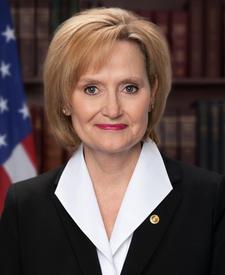
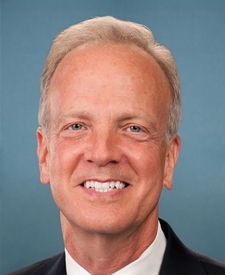

Legislative Progress
In CommitteeMr. Cassidy (for himself, Ms. Klobuchar, and Mr. Warner) introduced …
Read twice and referred to the Committee on Finance.
Introduced in Senate
Stakeholder Effects
cui bono?How this legislation distributes effects. Mention counts reflect frequency, not effect magnitude.
Competing DME suppliers excluded from oxygen market, Durable medical equipment suppliers specializing in oxygen equipment and services, Liquid oxygen equipment manufacturers and suppliers
Oxygen equipment suppliers faces effects in multiple directions
Positive-direction: Durable medical equipment suppliers specializing in oxygen equipment and services, Liquid oxygen equipment manufacturers and suppliers, Oxygen equipment suppliers employing respiratory therapists, Oxygen equipment suppliers in rural and non-contiguous areas, Respiratory therapists providing oxygen services
Negative-direction: Competing DME suppliers excluded from oxygen market, Medicare Administrative Contractors, Medicare Administrative Contractors conducting audits, Small oxygen suppliers without infrastructure for comprehensive services, Small oxygen suppliers without robust compliance infrastructure
Medicare beneficiaries receiving oxygen, Medicare beneficiaries requiring oxygen, Medicare beneficiaries requiring oxygen therapy
Prescribing physicians, Respiratory therapists
Bill Structure & Actor Mappings
Who is "The Secretary" in each section?
- "the_secretary"
- → Secretary of Health and Human Services
- "the_secretary"
- → Secretary of Health and Human Services
- "the_secretary"
- → Secretary of Health and Human Services
Key Definitions
Terms defined in this bill
Services performed by a respiratory therapist within scope of practice as defined by State law for assessment, treatment, and monitoring of patients requiring oxygen
Payment amounts for oxygen excluded from competitive acquisition program, with different rates for competitive bidding areas, rural/non-contiguous areas, and other areas
Scope of services suppliers must provide including initial evaluation, portable oxygen access, beneficiary education, equipment delivery and setup, monitoring, 24-hour coverage, etc.
We use a combination of our own taxonomy and classification in addition to large language models to assess meaning and potential beneficiaries. High confidence means strong textual evidence. Always verify with the original bill text.
Learn more about our methodology