To abolish the Department of Education, and for other purposes.
Analysis under review: This bill has generated analysis that may be too generic or incomplete. Clause-level evidence remains available below.
Summary
What This Bill Does
The bill defines transfers Indian Education programs from Department of Education to Department of Interior and Impact Aid programs to Department of Defense, effective one year after enactment, creates state block grants for K-12 education administered by HHS, replacing categorical Title I programs with flexible state funding based on child population. States must submit data, complete audits, and comply, and defines transfers the Health Education Assistance Loan (HEAL) program from the Department of Education to the Department of the Treasury, effective one year after enactment. It relies on definition changes, compliance mandates, reporting requirements, and grants. The main policy areas are Education, Government Reorganization, Education Research, and Higher Education.
Who Benefits and How
State higher education agencies could gain revenue opportunities, State education agencies could gain revenue opportunities, and Pending applicants for grants and licenses could face reduced risk.
Who Bears the Burden and How
Office of Management and Budget would take on compliance duties, Senior Department of Education officials (Deputy Secretaries, Assistant Secretaries) could face increased risk, and Department of Education rehabilitation staff could face increased risk.
Key Provisions
- Defines transfers Indian Education programs from Department of Education to Department of Interior and Impact Aid programs to Department of Defense, effective one year after enactment.
- Creates state block grants for K-12 education administered by HHS, replacing categorical Title I programs with flexible state funding based on child population. States must submit data, complete audits, and comply...
- Defines transfers the Health Education Assistance Loan (HEAL) program from the Department of Education to the Department of the Treasury, effective one year after enactment.
- Creates state block grants for postsecondary education administered by Treasury, with allocations based on state enrollment. States must submit student data, complete audits, and comply with civil rights laws to receive...
- Defines transfers vocational rehabilitation programs under the Rehabilitation Act of 1973 from the Department of Education to the Department of Labor, effective one year after enactment.
Evidence Chain:
This summary is generated from the full bill text using AI analysis. Expand "Detailed Analysis" below for identified beneficiaries/burden bearers with clause-level evidence links.
At a Glance
What This Bill Does
The bill defines transfers Indian Education programs from Department of Education to Department of Interior and Impact Aid programs to Department of Defense, effective one year after enactment, creates state block grants for K-12 education administered by HHS, replacing categorical Title I programs with flexible state funding based on child population. States must submit data, complete audits, and comply, and defines transfers the Health Education Assistance Loan (HEAL) program from the Department of Education to the Department of the Treasury, effective one year after enactment.
Key Policy Areas
Education, Government Reorganization, Education Research, Higher Education
Primary Purpose
The bill defines transfers Indian Education programs from Department of Education to Department of Interior and Impact Aid programs to Department of Defense, effective one year after enactment, creates state block grants for K-12 education administered by HHS, replacing categorical Title I programs with flexible state funding based on child population. States must submit data, complete audits, and comply, and defines transfers the Health Education Assistance Loan (HEAL) program from the Department of Education to the Department of the Treasury, effective one year after enactment.
Policy Domains
Title I - Elementary and Secondary Education
Identified Gains
- State higher education agencies
- State education agencies
- Pending applicants for grants and licenses
- Federal agencies receiving transferred functions
- State governments
Identified Costs
- Office of Management and Budget
- Senior Department of Education officials (Deputy Secretaries, Assistant Secretaries)
- Department of Education rehabilitation staff
- Department of Education loan servicing staff
- Department of Education employees in Indian Education
Sponsors
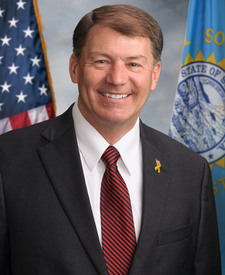


Legislative Progress
IntroducedMr. Rounds (for himself, Mr. Banks, and Mr. Sheehy) introduced …
Stakeholder Effects
cui bono?How this legislation distributes effects. Mention counts reflect frequency, not effect magnitude.
Department of Defense schools serving military families, Department of Education employees, Department of Education employees being transferred
Positive-direction: Department of Education employees, Federal agencies receiving transferred functions
Negative-direction: Department of Education employees being transferred, Department of Education employees in Indian Education, Department of Education loan servicing staff, Department of Education rehabilitation staff, Office of Management and Budget, Office of the President, Senior Department of Education officials (Deputy Secretaries, Assistant Secretaries)
Bureau of Indian Education and tribal schools, Medical and health profession students with HEAL loans, Public colleges and universities
Blind vendors operating stands in federal buildings, State vocational rehabilitation agencies
Pending applicants for grants and licenses
Bill Structure & Actor Mappings
Who is "The Secretary" in each section?
- "the_secretary"
- → Secretary of Health and Human Services (for block grants); Secretary of Interior (for Indian Education); Secretary of Defense (for Impact Aid)
- "the_secretary"
- → Secretary of the Treasury
- "the_secretary"
- → Varies by section: Treasury (301), Labor (302, 303, 305-308), HHS (304, 309-312), State (313)
- "omb_director"
- → Director of the Office of Management and Budget
- "the_president"
- → The President (for reorganization plan)
Note: The term 'The Secretary' refers to different Cabinet officials depending on which section is referenced - this bill transfers functions to 6 different departments
Key Definitions
Terms defined in this bill
Orders, determinations, rules, regulations, personnel actions, permits, agreements, grants, contracts, certificates, policies, licenses, registrations, and privileges
Each of the 50 States, the District of Columbia, the Commonwealth of Puerto Rico, and each of the outlying areas
American Samoa, the Commonwealth of the Northern Mariana Islands, Guam, the United States Virgin Islands, the Republic of the Marshall Islands, the Federated States of Micronesia, and the Republic of Palau
We use a combination of our own taxonomy and classification in addition to large language models to assess meaning and potential beneficiaries. High confidence means strong textual evidence. Always verify with the original bill text.
Learn more about our methodology