S1385-119

In Committee

Organic Science and Research Investment Act of 2025

119th Congress Introduced Apr 9, 2025

Summary

What This Bill Does

The bill requires amendment to Agricultural Research Act inserting new section establishing the Coordinating and Expanding Organic Research Initiative to coordinate USDA organic research across ARS, NIFA, ERS, and NASS, requires new section 401 of AREERA establishing the Coordinating and Expanding Organic Research Initiative with duties including coordination, strategic planning, and public input on organic research priorities, and creates extension of organic research and extension initiative through 2030, adding traditional ecological knowledge, climate change mitigation, and alternatives to substances removed from National Organic List. It relies on compliance mandates, grants, and reporting requirements. The main policy areas are Agriculture and Education.

Who Benefits and How

Organic agricultural producers could gain revenue opportunities, Transitioning-to-organic farmers could see lower costs, and Research institutions could gain revenue opportunities.

Who Bears the Burden and How

USDA research agencies (ARS, NIFA, ERS, NASS) would take on compliance duties, USDA National Agricultural Statistics Service would take on compliance duties, and USDA Economic Research Service would take on compliance duties.

Key Provisions

  • Requires amendment to Agricultural Research Act inserting new section establishing the Coordinating and Expanding Organic Research Initiative to coordinate USDA organic research across ARS, NIFA, ERS, and NASS.
  • Requires new section 401 of AREERA establishing the Coordinating and Expanding Organic Research Initiative with duties including coordination, strategic planning, and public input on organic research priorities.
  • Creates extension of organic research and extension initiative through 2030, adding traditional ecological knowledge, climate change mitigation, and alternatives to substances removed from National Organic List.
  • Creates amendment to establish competitive grant program for research on transitioning nonorganic production systems into organic agricultural production, including ecosystem services documentation.
  • Creates new section 1674 establishing competitive grants for transition-to-organic research covering barriers, ecosystem services, and improved methodologies.

Evidence Chain:

This summary is generated from the full bill text using AI analysis. Expand "Detailed Analysis" below for identified beneficiaries/burden bearers with clause-level evidence links.

At a Glance

What This Bill Does

The bill requires amendment to Agricultural Research Act inserting new section establishing the Coordinating and Expanding Organic Research Initiative to coordinate USDA organic research across ARS, NIFA, ERS, and NASS, requires new section 401 of AREERA establishing the Coordinating and Expanding Organic Research Initiative with duties including coordination, strategic planning, and public input on organic research priorities, and creates extension of organic research and extension initiative through 2030, adding traditional ecological knowledge, climate change mitigation, and alternatives to substances removed from National Organic List.

Key Policy Areas

Agriculture, Education

Primary Purpose

The bill requires amendment to Agricultural Research Act inserting new section establishing the Coordinating and Expanding Organic Research Initiative to coordinate USDA organic research across ARS, NIFA, ERS, and NASS, requires new section 401 of AREERA establishing the Coordinating and Expanding Organic Research Initiative with duties including coordination, strategic planning, and public input on organic research priorities, and creates extension of organic research and extension initiative through 2030, adding traditional ecological knowledge, climate change mitigation, and alternatives to substances removed from National Organic List.

Policy Domains

Agriculture Education

Organic Agriculture Research and Data

Identified Gains
  • Organic agricultural producers
  • Transitioning-to-organic farmers
  • Research institutions
  • Agricultural researchers and universities
  • Agricultural researchers and extension services
Model: codex-gpt-5:bulk-repair | Version: bill_summary_v2 | Source: is
Research institutions:
Organic agricultural producers: , , ,
Transitioning-to-organic farmers: , ,
Agricultural researchers and universities:
Agricultural researchers and extension services:
Identified Costs
  • USDA research agencies (ARS, NIFA, ERS, NASS)
  • USDA National Agricultural Statistics Service
  • USDA Economic Research Service
Model: codex-gpt-5:bulk-repair | Version: bill_summary_v2 | Source: is
USDA Economic Research Service:
USDA National Agricultural Statistics Service:
USDA research agencies (ARS, NIFA, ERS, NASS):

Legislative Progress

In Committee
Introduced Committee Passed
Apr 9, 2025

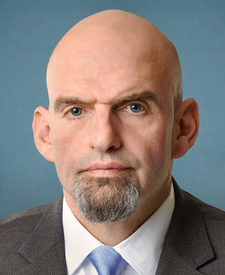
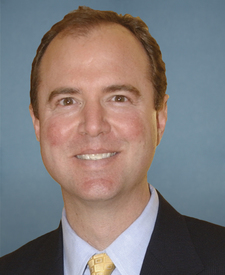
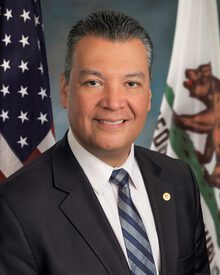
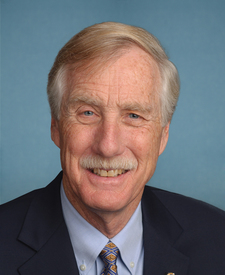
Mr. Fetterman (for himself, Mr. Schiff, Mrs. Gillibrand, Mr. Booker, …

Apr 9, 2025

Read twice and referred to the Committee on Agriculture, Nutrition, …

Apr 9, 2025

Introduced in Senate

Stakeholder Effects

cui bono?

How this legislation distributes effects. Mention counts reflect frequency, not effect magnitude.

Agriculture
7 mentions across 6 clauses
+7 positive

Organic agricultural producers, Transitioning-to-organic farmers

Education
4 mentions across 4 clauses
+4 positive

Agricultural researchers, Agricultural researchers and extension services, Agricultural researchers and universities

Government
3 mentions across 2 clauses
-3 negative

USDA Economic Research Service, USDA National Agricultural Statistics Service, USDA research agencies (ARS, NIFA, ERS, NASS)

6/7
sections analyzed
Full impact breakdown

Bill Structure & Actor Mappings

Who is "The Secretary" in each section?

Domains
Agriculture Education
Actor Mappings
"the_secretary"
→ Secretary of Agriculture, acting through the Under Secretary for Research, Education, and Economics

Key Definitions

Terms defined in this bill

1 term
"Secretary" §401(a)

The Secretary of Agriculture, acting through the Under Secretary for Research, Education, and Economics, in consultation with the Office of the Chief Scientist

We use a combination of our own taxonomy and classification in addition to large language models to assess meaning and potential beneficiaries. High confidence means strong textual evidence. Always verify with the original bill text.

Learn more about our methodology