Protecting Global Fisheries Act of 2026
Summary
What This Bill Does
Directs U.S. diplomatic collaboration against illegal, unreported, or unregulated fishing, authorizes sanctions against foreign persons and vessels involved in IUU fishing or endangered-species trafficking, and requires annual State Department reports on PRC-linked fishing patterns, maritime law-enforcement agreements, global forums, and U.S. engagement strategy.
Who Benefits and How
Allied maritime enforcement partners benefit because the United States must prioritize collaboration through international fora and partner-country engagement, including cutting-edge technology under maritime law-enforcement agreements. Coastal fishing communities benefit if sanctions and diplomacy reduce IUU fishing that damages fish stocks and legal fishing markets. Endangered species conservation programs benefit because sanctions can reach sale, supply, purchase, transfer, and transportation of endangered species outside conservation efforts. Congressional foreign-affairs and banking committees benefit from annual sanctions and IUU fishing reports.
Who Bears the Burden and How
Foreign vessel operators and foreign persons involved in IUU fishing face blocking sanctions, visa ineligibility, visa revocation, foreign-exchange restrictions, loss of U.S. financial credit, and possible port-access denial in the introduced version. PRC-linked IUU fishing fleets face particular scrutiny in collaboration and reporting provisions. Treasury sanctions staff, State Department staff, Commerce staff, Interior staff, Defense staff, and Homeland Security staff must coordinate recommendations, regulations, reports, and classified annexes. U.S. financial institutions may be barred from making loans or credits to sanctioned foreign persons.
Key Provisions
- Establishes U.S. policy to collaborate with allies, partners, and international institutions to counter IUU fishing.
- Directs U.S. voice, vote, and influence to deploy technology under maritime law-enforcement agreements and hold IUU fishing actors accountable.
- Authorizes sanctions for foreign persons or vessels responsible for IUU fishing, endangered-species trafficking, leadership roles, vessel ownership, or material support.
- Provides sanctions including property blocking, visa restrictions, foreign-exchange restrictions, loan and credit prohibitions, and introduced-version port-access denial.
- Provides exceptions for intelligence, law enforcement, headquarters-agreement obligations, vessel safety provisions, humanitarian assistance, and non-IUU food transactions.
- Requires annual reports for four years on PRC IUU fishing patterns, partner law-enforcement agreements, global forum efficacy, and U.S. engagement strategy.
Evidence Chain:
This summary is generated from the full bill text using AI analysis. Expand "Detailed Analysis" below for identified beneficiaries/burden bearers with clause-level evidence links.
At a Glance
What This Bill Does
Directs U.S. diplomatic collaboration against illegal, unreported, or unregulated fishing, authorizes sanctions against foreign persons and vessels involved in IUU fishing or endangered-species trafficking, and requires annual State Department reports on PRC-linked fishing patterns, maritime law-enforcement agreements, global forums, and U.S. engagement strategy.
Key Policy Areas
Fisheries, Sanctions, Maritime Security, China
Primary Purpose
Directs U.S. diplomatic collaboration against illegal, unreported, or unregulated fishing, authorizes sanctions against foreign persons and vessels involved in IUU fishing or endangered-species trafficking, and requires annual State Department reports on PRC-linked fishing patterns, maritime law-enforcement agreements, global forums, and U.S. engagement strategy.
Policy Domains
House resolution provisions
Identified Gains
- Allied maritime enforcement partners benefit because the United States must prioritize collaboration through international fora and partner-country engagement, including cutting-edge technology under maritime law-enforcement agreements
- Coastal fishing communities benefit if sanctions and diplomacy reduce IUU fishing that damages fish stocks and legal fishing markets
- Endangered species conservation programs benefit because sanctions can reach sale, supply, purchase, transfer, and transportation of endangered species outside conservation efforts
- Congressional foreign-affairs and banking committees benefit from annual sanctions and IUU fishing reports
Identified Costs
- Foreign vessel operators and foreign persons involved in IUU fishing face blocking sanctions, visa ineligibility, visa revocation, foreign-exchange restrictions, loss of U
- S
- financial credit, and possible port-access denial in the introduced version
- PRC-linked IUU fishing fleets face particular scrutiny in collaboration and reporting provisions
- Treasury sanctions staff, State Department staff, Commerce staff, Interior staff, Defense staff, and Homeland Security staff must coordinate recommendations, regulations, reports, and classified annexes
- U
Sponsors



Legislative Progress
ReportedPlaced on Senate Legislative Calendar under General Orders. Calendar No. …
Committee on Foreign Relations. Reported by Senator Risch with an …
Reported by Mr. Risch, with an amendment
Committee on Foreign Relations. Ordered to be reported with an …
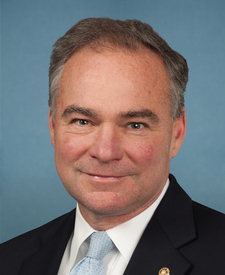
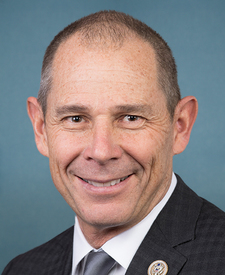
Mr. Kaine (for himself, Mr. Cassidy, Mr. Heinrich, and Mr. …
Read twice and referred to the Committee on Foreign Relations.
Introduced in Senate
Mr. Kaine (for himself, Mr. Cassidy, Mr. Heinrich, Mr. Curtis, …
Stakeholder Effects
cui bono?How this legislation distributes effects. Mention counts reflect frequency, not effect magnitude.
Coastal fishing communities, Commerce fisheries staff, Foreign vessel operators
Positive-direction: Coastal fishing communities, Legal fishing operators
Negative-direction: Commerce fisheries staff, Foreign vessel operators, PRC IUU fishing fleets
Allied maritime enforcement partners, Maritime security policymakers, State Department maritime staff
Positive-direction: Allied maritime enforcement partners, Maritime security policymakers
Negative-direction: State Department maritime staff, Treasury sanctions staff
IUU fishing financiers, U.S. financial institutions
Bill Structure & Actor Mappings
Who is "The Secretary" in each section?
- "secretary_of_state"
- → Secretary of State
- "secretary_of_treasury"
- → Secretary of the Treasury
We use a combination of our own taxonomy and classification in addition to large language models to assess meaning and potential beneficiaries. High confidence means strong textual evidence. Always verify with the original bill text.
Learn more about our methodology