To reauthorize title II of the Higher Education Act of 1965, and for other purposes.
Analysis under review: This bill has generated analysis that may be too generic or incomplete. Clause-level evidence remains available below.
Summary
What This Bill Does
This bill reauthorizes Title II of the Higher Education Act, which governs teacher and educator preparation programs. It authorizes $500 million per year for six years to fund grants for educator preparation, establishes loan forgiveness programs for teachers who work in high-need schools, and creates TEACH Grants of $8,000 per year for teacher candidates.
Who Benefits and How
Prospective and current teachers benefit from loan forgiveness after 5 years of teaching in high-need schools (100% of federal student loans forgiven) and monthly loan credits while teaching. Teacher candidates receive $8,000 annual TEACH Grants. Minority-serving institutions (HBCUs, Hispanic-serving, Tribal colleges) receive dedicated funding through Hawkins Centers of Excellence. High-need schools and early childhood programs gain access to more qualified, diverse educators.
Who Bears the Burden and How
The federal government bears the fiscal cost through appropriations of $500 million annually. Teacher preparation programs face new reporting requirements on pass rates, completion rates, and demographic data. States must assess and identify low-performing teacher preparation programs. Loan servicers face new accountability regulations and potential penalties for failures.
Key Provisions
- Authorizes $500 million per year for educator preparation grants, with at least 25% allocated to each of three subparts
- Creates 100% loan forgiveness after 5 years of qualifying service in high-need schools or early childhood programs
- Establishes $8,000 annual TEACH Grants for teacher candidates at eligible institutions
- Creates Hawkins Centers of Excellence at minority-serving institutions to recruit underrepresented groups into teaching
Evidence Chain:
This summary is generated from the full bill text using AI analysis. Expand "Detailed Analysis" below for identified beneficiaries/burden bearers with clause-level evidence links.
At a Glance
What This Bill Does
Reauthorizes and expands Title II of the Higher Education Act to strengthen educator preparation programs, provide loan forgiveness for teachers, and increase diversity in the teaching profession.
Key Policy Areas
Education, Higher Education, Workforce Development, Student Loans
Primary Purpose
Reauthorizes and expands Title II of the Higher Education Act to strengthen educator preparation programs, provide loan forgiveness for teachers, and increase diversity in the teaching profession.
Policy Domains
Part A - Teacher Quality Reporting and State Functions
Identified Gains
- K-12 students
- State educational agencies
- High-performing teacher prep programs
Identified Costs
- Teacher preparation programs
- Low-performing prep programs
Part B - Teacher Quality Enhancement Grants
Identified Gains
- Minority-serving institutions
- Teacher candidates from underrepresented groups
- High-need schools
- Institutions of higher education with teacher prep programs
Identified Costs
- Federal government (appropriations)
Title IV Part D - Loan Forgiveness and Credits
Identified Gains
- Teachers in high-need schools
- Early childhood educators
- Educators with student loans
Identified Costs
- Federal government (loan forgiveness costs)
- Taxpayers
Title IV Subpart 9 - TEACH Grants
Identified Gains
- Teacher candidates
- Eligible institutions with teacher prep programs
Identified Costs
- Federal government
- Loan servicers
Sponsors
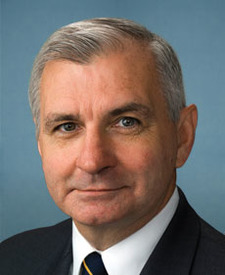
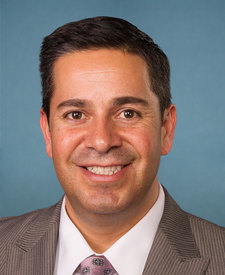
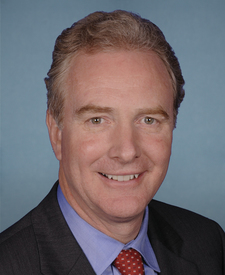
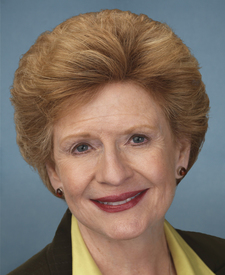
Legislative Progress
IntroducedMr. Reed (for himself, Mr. Casey, Mr. Luján, Mr. Van …
Stakeholder Effects
cui bono?How this legislation distributes effects. Mention counts reflect frequency, not effect magnitude.
Bureau of Indian Education schools, Community colleges with education pathways, Doctoral students in education from underrepresented groups
State educational agencies faces effects in multiple directions
Positive-direction: Bureau of Indian Education schools, Community colleges with education pathways, Doctoral students in education from underrepresented groups, Early childhood educators with Direct Loans, Early childhood educators with federal student loans, Education faculty at colleges and universities, Educator preparation programs, Educator preparation programs at institutions of higher education, Educator preparation programs seeking technical assistance, Educators on income-based repayment plans, Eligible educators with covered loans on IBR/ICR plans, Eligible institutions disbursing TEACH Grants, Eligible institutions with teacher prep programs, Eligible partnerships (IHEs with high-need LEAs), Eligible partnerships for educator preparation, First-generation college students in education programs, Future education faculty in high-need areas, High-need local educational agencies, High-need schools receiving new educators, High-need schools seeking to retain teachers, High-performing teacher preparation programs, Hispanic-serving institutions, Historically Black Colleges and Universities (HBCUs), Home schools and home school families, Individuals from underrepresented backgrounds seeking teaching careers, Institutions of higher education with educator prep programs, Institutions offering doctoral programs in education, Institutions with school leader preparation programs, K-12 students and parents, Minority-serving institutions, Outlying areas (territories), Partner institutions recruiting diverse teacher candidates, Private and religious schools, Qualifying educators in early childhood programs, Qualifying educators in high-need schools, School principals and administrators, Schools facing teacher shortages, Students with disabilities pursuing teaching, TEACH Grant recipients, Teacher candidates and program participants, Teacher candidates at eligible institutions, Teacher candidates eligible for TEACH Grants, Teacher candidates in high-need fields, Teacher candidates pursuing teaching degrees, Teacher preparation programs with rigorous selection and diverse candidates, Teachers in high-need schools with federal student loans, Teachers seeking credentials in high-need subjects, Teachers with Direct Loans serving in high-need schools, Teachers with collective bargaining agreements, Tribal colleges and universities, Underrepresented groups seeking teaching careers
Negative-direction: Eligible partnerships applying for grants, Eligible partnerships receiving grants, Low-performing teacher preparation programs, Teacher preparation programs receiving federal funds
Congress (oversight), Department of Education, Federal government
Positive-direction: Congress (oversight)
Negative-direction: Department of Education, Federal government
Bill Structure & Actor Mappings
Who is "The Secretary" in each section?
- "state"
- → State educational agency
- "the_secretary"
- → Secretary of Education
- "the_secretary"
- → Secretary of Education
- "eligible_partnership"
- → Partnership between IHE, high-need LEA, and other entities
- "the_secretary"
- → Secretary of Education
- "eligible_institution"
- → Institution of higher education with teacher prep program
- "the_secretary"
- → Secretary of Education
- "qualifying_educator"
- → Teacher in high-need school or early childhood program
Key Definitions
Terms defined in this bill
HBCUs, Hispanic-serving institutions, Tribal colleges, Alaska Native-serving, Native Hawaiian-serving, PBIs, AANAPISIs, or consortia thereof
IHE that provides teacher preparation, clinical experience, is financially responsible, and provides pedagogical coursework and supervision
Educator teaching in high-need school or early childhood program eligible for loan forgiveness
Educators who have completed preparation programs and possess strong teaching, leadership, and professional skills
We use a combination of our own taxonomy and classification in addition to large language models to assess meaning and potential beneficiaries. High confidence means strong textual evidence. Always verify with the original bill text.
Learn more about our methodology