BRAIN Act
Analysis under review: This bill has generated analysis that may be too generic or incomplete. Clause-level evidence remains available below.
Summary
What This Bill Does
The bill creates congressional findings establishing the legislative basis for brain tumor research funding, documenting that over 1 million Americans live with brain tumors, survival rates have stagnated for 45 years, and very, requires entities holding NIH-funded brain tumor biospecimen collections to report their holdings within 180 days and establishes authority for NIH to create a searchable public database of brain tumor biospecimens, and defines terms for biospecimen reporting requirements and establishes the framework for public reporting of brain tumor tissue collections funded by NIH. It relies on grants, appropriations, reporting requirements, and compliance mandates. The main policy areas are Healthcare, Science & Space, Education, and Trade.
Who Benefits and How
Research institutions studying glioblastoma treatments could gain revenue opportunities, CAR-T therapy developers and researchers could gain revenue opportunities, and Academic medical centers conducting glioblastoma research could gain revenue opportunities.
Who Bears the Burden and How
Research institutions with NIH-funded biospecimen collections would take on compliance duties, Entities maintaining NIH-funded brain tumor biospecimens would take on compliance duties, and HHS Department communications offices would take on compliance duties.
Key Provisions
- Creates congressional findings establishing the legislative basis for brain tumor research funding, documenting that over 1 million Americans live with brain tumors, survival rates have stagnated for 45 years, and very...
- Requires entities holding NIH-funded brain tumor biospecimen collections to report their holdings within 180 days and establishes authority for NIH to create a searchable public database of brain tumor biospecimens.
- Defines terms for biospecimen reporting requirements and establishes the framework for public reporting of brain tumor tissue collections funded by NIH.
- Establishes the Glioblastoma Therapeutics Network with $50 million annual appropriation for FY2026-2030 to fund collaborative research through the U19 mechanism, evaluating treatments from pre-clinical through...
- Directs the Director of the National Cancer Institute to establish the Glioblastoma Therapeutics Network through competitive U19 cooperative agreements, with $50 million authorized annually for fiscal years 2026-2030.
Evidence Chain:
This summary is generated from the full bill text using AI analysis. Expand "Detailed Analysis" below for identified beneficiaries/burden bearers with clause-level evidence links.
At a Glance
What This Bill Does
The bill creates congressional findings establishing the legislative basis for brain tumor research funding, documenting that over 1 million Americans live with brain tumors, survival rates have stagnated for 45 years, and very, requires entities holding NIH-funded brain tumor biospecimen collections to report their holdings within 180 days and establishes authority for NIH to create a searchable public database of brain tumor biospecimens, and defines terms for biospecimen reporting requirements and establishes the framework for public reporting of brain tumor tissue collections funded by NIH.
Key Policy Areas
Healthcare, Science & Space, Education, Trade
Primary Purpose
The bill creates congressional findings establishing the legislative basis for brain tumor research funding, documenting that over 1 million Americans live with brain tumors, survival rates have stagnated for 45 years, and very, requires entities holding NIH-funded brain tumor biospecimen collections to report their holdings within 180 days and establishes authority for NIH to create a searchable public database of brain tumor biospecimens, and defines terms for biospecimen reporting requirements and establishes the framework for public reporting of brain tumor tissue collections funded by NIH.
Policy Domains
Brain Tumor Research and Care Act
Identified Gains
- Research institutions studying glioblastoma treatments
- CAR-T therapy developers and researchers
- Academic medical centers conducting glioblastoma research
- Medical schools and academic medical centers
- Eligible entities providing survivorship care
Identified Costs
- Research institutions with NIH-funded biospecimen collections
- Entities maintaining NIH-funded brain tumor biospecimens
- HHS Department communications offices
Sponsors

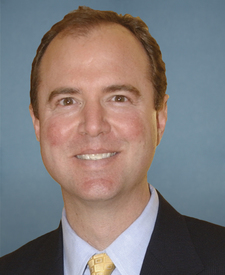

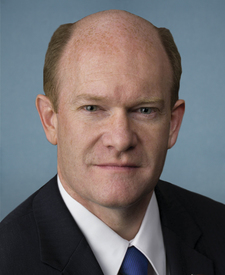

Legislative Progress
In CommitteeMr. Blumenthal (for himself, Mr. Rounds, Mr. Reed, and Mr. …
Read twice and referred to the Committee on Health, Education, …
Introduced in Senate
Stakeholder Effects
cui bono?How this legislation distributes effects. Mention counts reflect frequency, not effect magnitude.
Brain tumor survivors, Brain tumor survivors and their families, Cancer centers and community medical facilities
Brain tumor researchers seeking tissue samples, Clinical trial operators and cancer research organizations, Medical researchers studying brain tumors
Academic medical centers conducting glioblastoma research, Academic medical centers with immunotherapy programs, Medical schools and academic medical centers
Entities maintaining NIH-funded brain tumor biospecimens, Research institutions with NIH-funded biospecimen collections
Cancer clinical trial sponsors, Pharmaceutical companies developing brain tumor therapies
Biotech companies developing CAR-T immunotherapy, CAR-T therapy developers and researchers
Eligible entities providing survivorship care
Bill Structure & Actor Mappings
Who is "The Secretary" in each section?
- "the_secretary"
- → Secretary of Health and Human Services
- "director_of_nih"
- → Director of the National Institutes of Health
- "director_of_the_institute"
- → Director of the National Cancer Institute
Key Definitions
Terms defined in this bill
A biospecimen that was collected or acquired in whole or in part through funding from the National Institutes of Health
A medical school, children's hospital, cancer center, community-based medical facility, or any other entity with significant experience and expertise in brain tumor survivor care
A brain tumor tissue, cerebral spinal fluid, or other specimen type listed by the Specimen Resource Locator of the National Cancer Institute
We use a combination of our own taxonomy and classification in addition to large language models to assess meaning and potential beneficiaries. High confidence means strong textual evidence. Always verify with the original bill text.
Learn more about our methodology