Pecos Watershed Protection Act
Analysis under review: This bill has generated analysis that may be too generic or incomplete. Clause-level evidence remains available below.
Summary
What This Bill Does
The Pecos Watershed Protection Act withdraws federal land in New Mexico's Pecos Watershed from all mineral development activities and creates a new 11,599-acre Thompson Peak Wilderness Area. The bill permanently blocks new mining claims, oil and gas leases, and geothermal development on these protected lands while preserving existing rights.
Who Benefits and How
Environmental conservation organizations benefit by gaining a new protected wilderness area that prevents extractive industries from operating in the Pecos Watershed. Recreation and tourism businesses near the protected areas benefit from increased opportunities for wilderness-based tourism and outdoor recreation. Existing livestock grazing operations benefit from explicit protection of their grazing rights in the new wilderness area, ensuring they can continue operations despite the new wilderness designation. New Mexico's state fish and wildlife agencies maintain full authority over hunting, fishing, and trapping regulations within the wilderness area.
Who Bears the Burden and How
Mining companies face a complete ban on filing new mineral claims in the Pecos Watershed and Thompson Peak areas. Oil and gas exploration companies lose the ability to obtain new leasing rights for fossil fuel extraction on these federal lands. Geothermal energy developers are blocked from securing mineral leasing rights for renewable energy development in these areas. The U.S. Forest Service must complete new administrative tasks including filing maps and legal descriptions with Congress, maintaining public inspection files, and managing the wilderness area according to the Wilderness Act.
Key Provisions
- Withdraws all federal land depicted on the "Proposed Mineral Withdrawal Legislative Map" (dated September 11, 2023) from mineral entry, mining claims, and mineral/geothermal leasing
- Designates approximately 11,599 acres of Forest Service land as the Thompson Peak Wilderness Area, making it part of the National Wilderness Preservation System
- Requires the Secretary of Agriculture to file wilderness area maps and legal descriptions with the Senate Committee on Energy and Natural Resources and House Committee on Natural Resources
- Protects existing livestock grazing rights established before the bill's enactment, allowing ranchers to continue operations under Wilderness Act guidelines
- Preserves New Mexico's jurisdiction over fish and wildlife management, including hunting, fishing, and trapping regulations
- Allows the Forest Service to conduct fire, insect, and disease control measures within the wilderness area as deemed necessary
Evidence Chain:
This summary is generated from the full bill text using AI analysis. Expand "Detailed Analysis" below for identified beneficiaries/burden bearers.
At a Glance
What This Bill Does
Withdraws federal land in the Pecos Watershed area of New Mexico from mineral entry and designates the Thompson Peak Wilderness Area
Who Benefits
- Environmental conservation groups
- Recreation and tourism operators in New Mexico
- Livestock grazing operations (existing rights protected)
Who Bears Costs
- Mining companies seeking new mineral claims
- Oil and gas exploration companies
- Geothermal energy developers
Key Policy Areas
Public Lands, Mining, Wilderness Protection, Natural Resources
Primary Purpose
Withdraws federal land in the Pecos Watershed area of New Mexico from mineral entry and designates the Thompson Peak Wilderness Area
Policy Domains
Legislative Strategy
"Protect Pecos Watershed from extractive industries by withdrawing land from mineral development and establishing wilderness protection"
Identified Gains
- Environmental conservation groups
- Recreation and tourism operators in New Mexico
- Livestock grazing operations (existing rights protected)
- Pecos Watershed communities
Identified Costs
- Mining companies seeking new mineral claims
- Oil and gas exploration companies
- Geothermal energy developers
Sponsors
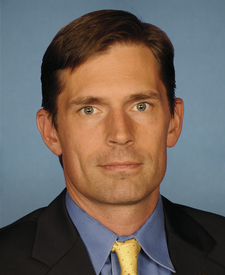
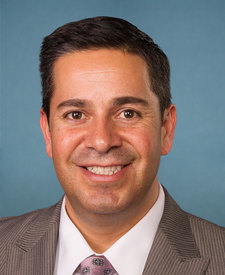
Legislative Progress
In CommitteeCommittee on Energy and Natural Resources Subcommittee on Public Lands, …
Mr. Heinrich (for himself and Mr. Luján) introduced the following …
Read twice and referred to the Committee on Energy and …
Introduced in Senate
Stakeholder Effects
cui bono?How this legislation distributes effects. Mention counts reflect frequency, not effect magnitude.
Mining companies seeking new claims in Thompson Peak area, Mining companies seeking new mineral claims in Pecos Watershed
Oil and gas companies in Thompson Peak area, Oil and gas exploration companies in Pecos Watershed area
Geothermal developers in Thompson Peak area, Geothermal energy developers in Pecos Watershed
Recreation and tourism businesses near Pecos Watershed, Recreation and wilderness tourism operators
Environmental conservation groups, Environmental conservation organizations
Existing livestock grazing operations in Thompson Peak
New Mexico state fish and wildlife agencies
Bill Structure & Actor Mappings
Who is "The Secretary" in each section?
- "the_secretary"
- → Secretary of Agriculture
Key Definitions
Terms defined in this bill
The Federal land depicted as Pecos Withdrawal on the map entitled Proposed Mineral Withdrawal Legislative Map and dated September 11, 2023
Secretary of Agriculture
The State of New Mexico
The Thompson Peak Wilderness Area designated by subsection (b)
We use a combination of our own taxonomy and classification in addition to large language models to assess meaning and potential beneficiaries. High confidence means strong textual evidence. Always verify with the original bill text.
Learn more about our methodology