To direct the American Battle Monuments Commission to establish a program to identify American-Jewish servicemembers buried in United States military cemeteries overseas under markers that incorrectly represent their religion and heritage, and for other purposes.
Sponsors
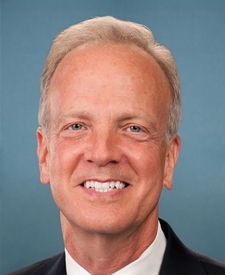
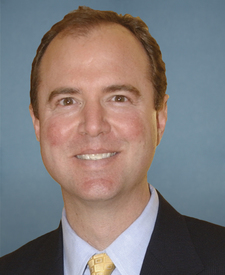

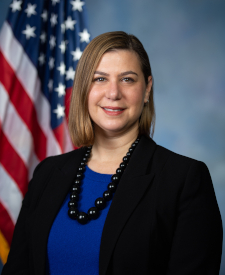

Legislative Progress
Passed SenateReported by Mr. Moran, without amendment
Passed Senate (inferred from es version)
Mr. Moran (for himself, Ms. Rosen, Mr. Blumenthal, Mr. Cornyn, …
Mr. Moran (for himself, Ms. Rosen, Mr. Blumenthal, and Mr. …
Summary
What This Bill Does
The Fallen Servicemembers Religious Heritage Restoration Act addresses a historical injustice affecting approximately 900 American-Jewish servicemembers who died in World War I and World War II. These soldiers were mistakenly buried under Latin crosses in overseas U.S. military cemeteries instead of markers reflecting their actual Jewish faith. The bill requires the American Battle Monuments Commission to establish a 10-year program to identify these servicemembers and contact their surviving family members to offer proper recognition of their religious heritage.
Who Benefits and How
The primary beneficiaries are the survivors and descendants of the approximately 900 Jewish servicemembers whose graves have incorrect religious markers. They will finally have the opportunity to see their loved ones' faith properly honored on their grave markers. Nonprofit organizations specializing in Jewish military heritage research also benefit significantly, as they become eligible for annual contracts worth $500,000 to conduct this identification work. The American Battle Monuments Commission benefits by fulfilling its mandate to properly honor all fallen servicemembers and correct past administrative mistakes.
Who Bears the Burden and How
Federal taxpayers bear the financial burden, funding up to $5 million over 10 years ($500,000 annually) to support this heritage restoration program. The American Battle Monuments Commission faces new administrative responsibilities, including managing annual contracts with nonprofit organizations, overseeing the identification process, and coordinating with families of deceased servicemembers. The Commission must also prioritize contractors based on demonstrated expertise and capability in this specialized research area.
Key Provisions
- Establishes the "Fallen Servicemembers Religious Heritage Restoration Program" within the American Battle Monuments Commission for a 10-year period
- Authorizes $500,000 in annual contracts with qualified 501(c)(3) nonprofit organizations to identify affected Jewish servicemembers and contact their families
- Defines "covered members" as deceased Jewish Armed Forces members buried overseas under markers indicating they were not Jewish
- Requires the Commission to prioritize nonprofits with demonstrated expertise in identifying Jewish servicemembers and their heritage
- Appropriates $500,000 annually for 10 fiscal years, totaling up to $5 million in federal funding
Evidence Chain:
This summary is derived from the structured analysis below. See "Detailed Analysis" for per-title beneficiaries/burden bearers with clause-level evidence links.
Primary Purpose
Establishes a 10-year program through the American Battle Monuments Commission to identify and properly honor approximately 900 American-Jewish servicemembers from WWI and WWII who were mistakenly buried under Latin crosses in overseas U.S. military cemeteries.
Policy Domains
Bill Structure & Actor Mappings
Who is "The Secretary" in each section?
- "the_commission"
- → American Battle Monuments Commission
- "nonprofit_organization"
- → 501(c)(3) organization with expertise in identifying Jewish servicemembers
Key Definitions
Terms defined in this bill
A deceased member of the Armed Forces who was Jewish and buried in a United States military cemetery located outside the United States under a marker that indicates such member was not Jewish
An organization described in section 501(c)(3) of the Internal Revenue Code of 1986 and exempt from taxation under section 501(a) of such Code
We use a combination of our own taxonomy and classification in addition to large language models to assess meaning and potential beneficiaries. High confidence means strong textual evidence. Always verify with the original bill text.
Learn more about our methodology