Strong Communities Act of 2025
Summary
What This Bill Does
This bill adds a COPS Strong Communities Program to the Omnibus Crime Control and Safe Streets Act. Beginning in fiscal year 2025, the Attorney General may use COPS funds for competitive grants to local law enforcement agencies so officers and recruits can attend law enforcement training programs at eligible institutions of higher education or local law enforcement agencies. To qualify, the officer or recruit must agree to serve as a full-time officer for at least four years within eight years after training, in a local agency within 7 miles of a residence where the person lived for at least five years, or within 20 miles in counties with fewer than 150,000 residents.
Officers or recruits who fail to complete the service must repay the benefits to the local law enforcement agency unless the Attorney General's regulations excuse repayment for extenuating circumstances. The Attorney General must report annually to the House and Senate Judiciary Committees on grant recipients, locations, planned trainees, trained recruits who returned as employees, and those who remain employed.
Who Benefits and How
Local law enforcement agencies benefit from grant support for recruit and officer training. Law enforcement recruits benefit from funded training tied to serving their home communities. Rural police agencies benefit from the 20-mile rule in smaller counties. Institutions offering police training benefit from grant-supported enrollment. Community residents benefit if trained officers serve where they have long-term ties.
Who Bears the Burden and How
Officers or recruits who do not complete service must repay training benefits unless excused. Local law enforcement agencies must certify employment and collect repayments. DOJ COPS Office staff must run grants and track eligibility. The Attorney General must write extenuating-circumstance regulations and annual transparency reports. Training institutions must coordinate with law enforcement agencies on eligible programs.
Key Provisions
- Creates a COPS Strong Communities grant use for law enforcement training.
- Requires four years of full-time service within eight years after training.
- Requires service near the officer or recruit's long-term residence, with a 20-mile rural county option.
- Requires repayment when service is not completed unless extenuating circumstances apply.
- Directs annual Attorney General reports on grant recipients, trainees, returns, and retention.
Evidence Chain:
This summary is generated from the full bill text using AI analysis. Expand "Detailed Analysis" below for identified beneficiaries/burden bearers with clause-level evidence links.
At a Glance
What This Bill Does
Creates a COPS Strong Communities grant use for law enforcement officers and recruits to attend training programs if they serve full-time for at least four years within eight years in agencies near their long-term residence, with repayment for unmet service and annual Attorney General transparency reports.
Key Policy Areas
Law Enforcement, COPS Grants, Workforce, DOJ
Primary Purpose
Creates a COPS Strong Communities grant use for law enforcement officers and recruits to attend training programs if they serve full-time for at least four years within eight years in agencies near their long-term residence, with repayment for unmet service and annual Attorney General transparency reports.
Policy Domains
House resolution provisions
Identified Gains
- Local law enforcement agencies
- Law enforcement recruits
- Rural police agencies
- Police training institutions
- Community residents
Identified Costs
- Officers who miss service
- Local law enforcement agencies
- DOJ COPS Office staff
- Attorney General
- Training institutions
Sponsors


Legislative Progress
ReportedReported by Mr. Grassley, with an amendment
Placed on Senate Legislative Calendar under General Orders. Calendar No. …
Committee on the Judiciary. Reported by Senator Grassley with an …
Committee on the Judiciary. Ordered to be reported with an …
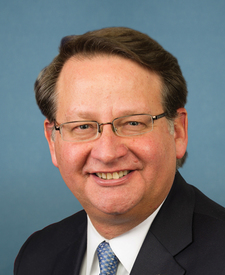
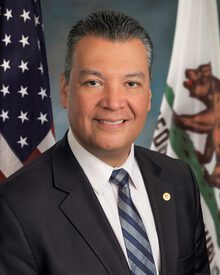
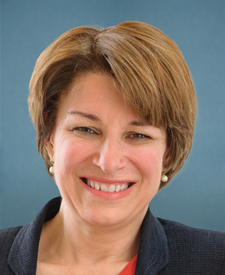
Mr. Peters (for himself, Mr. Cornyn, Ms. Klobuchar, Mr. Cruz, …
Mr. Peters (for himself, Mr. Cornyn, Ms. Klobuchar, Mr. Cruz, …
Read twice and referred to the Committee on the Judiciary.
Introduced in Senate
Stakeholder Effects
cui bono?How this legislation distributes effects. Mention counts reflect frequency, not effect magnitude.
Attorney General, DOJ COPS Office staff, Law enforcement recruits
Positive-direction: Law enforcement recruits, Local law enforcement agencies, Rural police agencies
Negative-direction: Attorney General, DOJ COPS Office staff, Officers who miss service
Bill Structure & Actor Mappings
Who is "The Secretary" in each section?
- "doj"
- → Department of Justice
We use a combination of our own taxonomy and classification in addition to large language models to assess meaning and potential beneficiaries. High confidence means strong textual evidence. Always verify with the original bill text.
Learn more about our methodology