To amend title XVIII of the Social Security Act to provide for the distribution of additional residency positions, and for other purposes.
Analysis under review: This bill has generated analysis that may be too generic or incomplete. Clause-level evidence remains available below.
Summary
What This Bill Does:
This bill addresses the physician shortage in America by authorizing the creation of 14,000 new Medicare-funded medical residency positions over seven years (2,000 per year from 2025-2031). It amends the Social Security Act to increase the number of slots hospitals can have for training resident physicians, and requires a study on how to increase diversity in the healthcare workforce.
Who Benefits and How:
- Teaching hospitals gain the ability to train more resident physicians, receiving Medicare payments for additional residency slots
- Rural and underserved hospitals receive priority in the distribution of new positions, with specific minimum allocations set aside
- Patients in underserved areas may benefit long-term from more physicians entering the workforce
- Medical school graduates benefit from more opportunities to complete required residency training
Who Bears the Burden and How:
- Medicare (federal government) bears the cost of funding additional graduate medical education payments to hospitals
- Taxpayers ultimately fund the expanded residency positions through Medicare spending
- The Comptroller General must conduct and report on a diversity study within 2 years
Key Provisions:
- Creates 14,000 new Medicare-funded residency positions distributed over fiscal years 2025-2031 (2,000 per year)
- Establishes 7 rounds of applications for hospitals to receive additional positions
- Sets minimum distributions for certain categories of hospitals (including rural and underserved)
- Amends indirect teaching adjustment factors for hospitals receiving new positions starting July 1, 2025
- Requires the Comptroller General to study strategies for increasing diversity in the health professional workforce, focusing on rural, lower-income, and underrepresented minority communities
Evidence Chain:
This summary is generated from the full bill text using AI analysis. Expand "Detailed Analysis" below for primary purpose and policy domains.
At a Glance
Primary Purpose
Sponsors
Legislative Progress
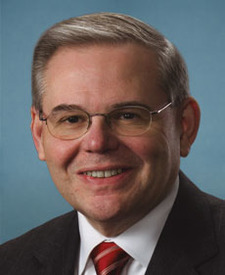
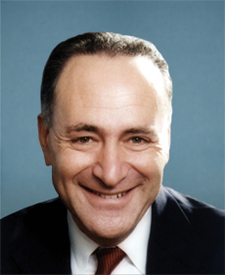
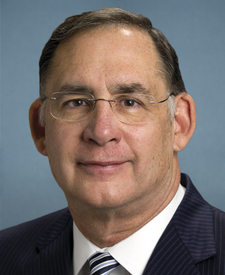
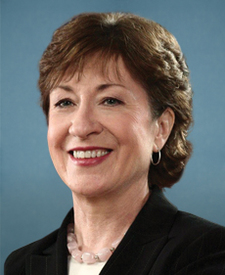
IntroducedMr. Menendez (for himself, Mr. Boozman, Mr. Schumer, and Ms. …
Stakeholder Effects
cui bono?How this legislation distributes effects. Mention counts reflect frequency, not effect magnitude.
Qualifying hospitals (rural, high resident level, in states with new medical schools, or serving HPSAs)
We use a combination of our own taxonomy and classification in addition to large language models to assess meaning and potential beneficiaries. High confidence means strong textual evidence. Always verify with the original bill text.
Learn more about our methodology