CLEAN FTZ Act of 2025
Analysis under review: This bill has generated analysis that may be too generic or incomplete. Clause-level evidence remains available below.
Summary
This bill, the CLEAN FTZ Act of 2025, addresses illicit trade occurring in foreign free trade zones worldwide. Within 2 years, CBP must publish a comprehensive list of all non-U.S. free trade zones (including special economic zones, export processing zones, and freeports) with their identity, location, and administrators. CBP then classifies each host country into 4 tiers based on compliance with international standards from the OECD, World Customs Organization, WTO, FATF, and UN conventions. Tier I countries fully comply, Tier II are making significant efforts, Tier III have significant trade volumes but inadequate action, and Tier IV are non-compliant with no effort. For Tier II-IV countries, CBP provides recommendations, distributes commercial service officers, and monitors compliance. The President may impose IEEPA-based economic sanctions (asset blocking and prohibition of transactions) and visa restrictions against foreign persons who organize, finance, or participate in illicit trade in non-compliant zones. CBP must establish a public hotline and website for reporting illicit trade. Countries can be reclassified up or down based on progress.
Evidence Chain:
This summary is generated from the full bill text using AI analysis. Expand "Detailed Analysis" below for identified beneficiaries/burden bearers.
At a Glance
What This Bill Does
Requires U.S. Customs and Border Protection to identify all foreign free trade zones globally, classify host countries into compliance tiers based on international standards for combating illicit trade, and authorizes economic sanctions and visa restrictions against foreign persons facilitating illicit trade in non-compliant zones.
Who Benefits
- U.S. businesses competing against illicit trade (level playing field)
- International standards organizations (OECD, WTO, FATF enhanced relevance)
- CBP (expanded mandate and resources)
Who Bears Costs
- Countries with non-compliant free trade zones (tier classification, potential sanctions)
- Foreign persons engaged in illicit trade in FTZs (sanctions, visa bans)
- CBP (significant new identification, classification, and monitoring workload)
Key Policy Areas
{'domain': 'Trade', 'evidence': ['3', '4']}, {'domain': 'National Security', 'evidence': ['6']}, {'domain': 'Foreign Affairs', 'evidence': ['4', '5', '6']}
Primary Purpose
Requires U.S. Customs and Border Protection to identify all foreign free trade zones globally, classify host countries into compliance tiers based on international standards for combating illicit trade, and authorizes economic sanctions and visa restrictions against foreign persons facilitating illicit trade in non-compliant zones.
Policy Domains
Legislative Strategy
"Create a tiered compliance framework for foreign free trade zones modeled on the Trafficking in Persons Report, using the threat of sanctions and trade consequences to incentivize international standards compliance"
Sponsors
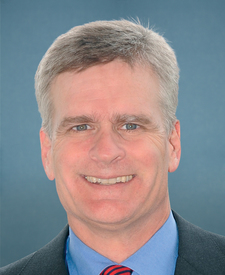
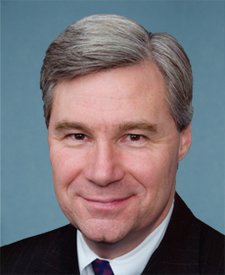
Legislative Progress
In CommitteeMr. Cassidy (for himself and Mr. Whitehouse) introduced the following …
Read twice and referred to the Committee on Finance.
Introduced in Senate
Stakeholder Effects
cui bono?How this legislation distributes effects. Mention counts reflect frequency, not effect magnitude.
CBP and Foreign Commercial Service, Customs and Border Protection
Customs and Border Protection faces effects in multiple directions
Businesses operating in foreign FTZs, Legitimate international trade, U.S. businesses competing with FTZ-based operations
Positive-direction: Businesses operating in foreign FTZs, Legitimate international trade, U.S. businesses competing with FTZ-based operations
Negative-direction: U.S. persons transacting with sanctioned entities
Countries with non-compliant free trade zones, Tier II-IV countries
Foreign persons engaged in illicit FTZ trade, Non-citizen facilitators of illicit FTZ trade
Bill Structure & Actor Mappings
Who is "The Secretary" in each section?
- "ustr"
- → United States Trade Representative (consultation)
- "commissioner"
- → Commissioner of U.S. Customs and Border Protection
- "the_president"
- → President of the United States (sanctions authority)
- "secretary_of_state"
- → Secretary of State (consultation)
- "secretary_of_commerce"
- → Secretary of Commerce (consultation)
Key Definitions
Terms defined in this bill
We use a combination of our own taxonomy and classification in addition to large language models to assess meaning and potential beneficiaries. High confidence means strong textual evidence. Always verify with the original bill text.
Learn more about our methodology