No Tax on Tips Act
Summary
What This Bill Does
This bill creates an above-the-line federal income tax deduction for qualified tip income. The deduction is capped at $25,000 per taxpayer, applies only to cash tips reported to employers, and is limited to occupations that traditionally and customarily received tips on or before December 31, 2023. The bill excludes tips earned in certain high-income service businesses and phases out eligibility for higher-income taxpayers.
The bill also expands the Section 45B employer credit for Social Security taxes paid on employee tips. The credit, currently tied to food and beverage service, would also cover beauty services such as salons, barbershops, nail care, esthetics, and spa services when tipping is customary.
Who Benefits and How
Lower- and middle-income tipped workers, including restaurant servers, bartenders, hotel staff, delivery workers, hairstylists, barbers, nail technicians, estheticians, and spa workers, benefit because qualified tips can reduce taxable income. Beauty service employers, salons, barbershops, nail salons, and spas benefit because they can claim the employer tip credit for covered beauty-service tips.
Who Bears the Burden and How
The federal Treasury bears revenue loss from the new tip deduction and expanded employer credit. The Treasury Department and IRS must define traditionally tipped occupations, administer income limits, apply exclusions for specified service trades or businesses, and enforce reporting rules. Employers and taxpayers must track qualified tips, report them correctly, and apply the new deduction and credit limitations.
Key Provisions
- Creates a new deduction for qualified cash tips reported to employers.
- Caps the deduction at $25,000 per taxpayer.
- Limits qualified tips to occupations that traditionally and customarily received tips before 2024.
- Excludes certain high-income service business tips from the deduction.
- Phases out the deduction for higher-income taxpayers.
- Extends the Section 45B employer tip credit to beauty service establishments.
- Applies the changes to taxable years beginning after December 31, 2024.
Evidence Chain:
This summary is generated from the full bill text using AI analysis. Expand "Detailed Analysis" below for identified beneficiaries/burden bearers with clause-level evidence links.
At a Glance
What This Bill Does
Creates a federal income tax deduction of up to $25,000 for qualified reported tip income and extends the Section 45B employer tip credit to covered beauty service establishments.
Key Policy Areas
Taxation, Labor, Small Business
Primary Purpose
Creates a federal income tax deduction of up to $25,000 for qualified reported tip income and extends the Section 45B employer tip credit to covered beauty service establishments.
Policy Domains
Whole bill
Identified Gains
- Restaurant servers
- Bartenders
- Hotel tipped workers
- Hairstylists
- Barbers
- Nail technicians
- Beauty service employers
- Salons
- Barbershops
- Spas
Identified Costs
- Federal Treasury
- Treasury Department
- Internal Revenue Service
- Employers with tipped workers
- Higher-income tipped employees
Sponsors
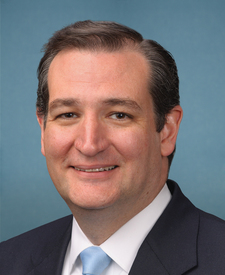
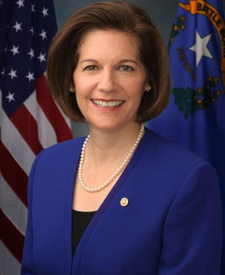

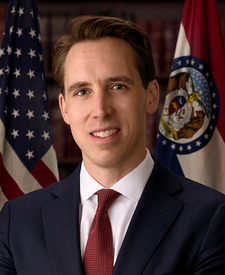
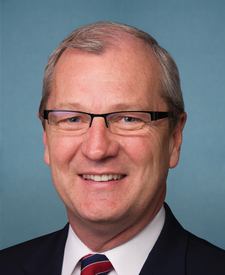
Legislative Progress
Passed SenateReceived in the House.
Held at the desk.
Message on Senate action sent to the House.
Passed Senate without amendment by Unanimous Consent. (consideration: CR S2993-2995; …
Passed/agreed to in Senate: Passed Senate without amendment by Unanimous …
Senate Committee on Finance discharged by Unanimous Consent.
Mr. Cruz (for himself, Mr. Daines, Ms. Rosen, Mr. Ricketts, …
Passed Senate (inferred from es version)
Read twice and referred to the Committee on Finance.
Introduced in Senate
Stakeholder Effects
cui bono?How this legislation distributes effects. Mention counts reflect frequency, not effect magnitude.
Highly compensated tipped employees (above ~$155K), Lower- and middle-income tipped workers, Tipped workers in traditionally tipped occupations (servers, bartenders, hotel staff, hairstylists)
Positive-direction: Lower- and middle-income tipped workers, Tipped workers in traditionally tipped occupations (servers, bartenders, hotel staff, hairstylists)
Negative-direction: Highly compensated tipped employees (above ~$155K)
Federal Treasury (reduced FICA credit offset), Federal Treasury (tax revenue), Treasury Department / IRS
Beauty service employers (salons, barbershops, spas), Beauty service tipped workers (hairstylists, barbers, nail technicians, estheticians, spa workers)
Bill Structure & Actor Mappings
Who is "The Secretary" in each section?
We use a combination of our own taxonomy and classification in addition to large language models to assess meaning and potential beneficiaries. High confidence means strong textual evidence. Always verify with the original bill text.
Learn more about our methodology