Fog Observations and Geographic Forecasting Act
Summary
What This Bill Does
The Fog Observations and Geographic Forecasting Act directs the NOAA Under Secretary to conduct a project improving coastal marine fog forecasts. The goal is to improve vessel safety and reduce economic impacts from coastal fog. The project must add marine observations from federal platforms and commercially acquired observations in high-impact areas, including buoys, meteorological stations, stationary platforms, drifting instruments, vessels, unmanned systems, remote sensing, rapid-refresh hyperspectral satellite imagery, and algorithms for early detection and monitoring.
NOAA must improve geographic coverage, resolution, skill, and accuracy of marine fog modeling, including marine channel forecasts when feasible. It must improve communication of fog advisories, communicate hazardous fog risks in ways that support public decisions, and provide actionable decision support. NOAA must meet with public and private stakeholders and Indian Tribes, then develop a plan within one year describing research, development, technology transfer, resources, and timelines.
Who Benefits and How
Commercial vessel operators benefit from better coastal fog forecasts and advisories. Coastal ports benefit if improved fog information reduces delays and accident risk. NOAA forecasters benefit from more observations, models, and algorithms. Tribal coastal communities benefit from required consultation during project planning. Marine technology vendors benefit from potential use of commercial observations, unmanned systems, remote sensing, and hyperspectral imagery. Recreational boaters benefit from clearer hazard communication.
Who Bears the Burden and How
NOAA weather program staff must design the project, meet stakeholders and Tribes, acquire or integrate observations, improve models, and write a one-year plan. Commercial data providers must meet NOAA quality and integration needs. Public and private stakeholders must participate in planning. Tribal governments must evaluate consultation requests. NOAA budget planners must identify resources and timelines.
Key Provisions
- Requires NOAA to conduct a project improving coastal marine fog forecasts.
- Expands observations through buoys, stations, vessels, unmanned systems, remote sensing, satellite imagery, and algorithms.
- Improves fog model coverage, resolution, skill, accuracy, advisories, and decision support.
- Requires public, private, and Tribal stakeholder meetings.
- Directs a one-year project plan with research, development, technology transfer, resources, and timelines.
Evidence Chain:
This summary is generated from the full bill text using AI analysis. Expand "Detailed Analysis" below for identified beneficiaries/burden bearers with clause-level evidence links.
At a Glance
What This Bill Does
Requires NOAA to run a coastal marine fog forecasting project using more marine observations, commercial data, buoys, stations, vessels, unmanned systems, remote sensing, hyperspectral satellite imagery, algorithms, improved models, advisories, decision support, stakeholder consultation, Tribal consultation, and a one-year implementation plan.
Key Policy Areas
NOAA, Weather, Maritime Safety, Coastal Communities
Primary Purpose
Requires NOAA to run a coastal marine fog forecasting project using more marine observations, commercial data, buoys, stations, vessels, unmanned systems, remote sensing, hyperspectral satellite imagery, algorithms, improved models, advisories, decision support, stakeholder consultation, Tribal consultation, and a one-year implementation plan.
Policy Domains
House resolution provisions
Identified Gains
- Commercial vessel operators
- Coastal ports
- NOAA forecasters
- Tribal coastal communities
- Marine technology vendors
- Recreational boaters
Identified Costs
- NOAA weather program staff
- Commercial data providers
- Public stakeholders
- Private stakeholders
- Tribal governments
- NOAA budget planners
Sponsors
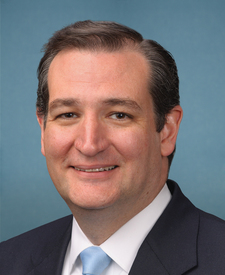
Ted Cruz
R-TX | Primary Sponsor
Legislative Progress
ReportedReported by Mr. Cruz, without amendment
Placed on Senate Legislative Calendar under General Orders. Calendar No. …
Committee on Commerce, Science, and Transportation. Reported by Senator Cruz …
Committee on Commerce, Science, and Transportation. Ordered to be reported …
Mr. Cruz (for himself and Mr. Padilla) introduced the following …
Read twice and referred to the Committee on Commerce, Science, …
Introduced in Senate
Stakeholder Effects
cui bono?How this legislation distributes effects. Mention counts reflect frequency, not effect magnitude.
NOAA forecasters, NOAA weather program staff
Positive-direction: NOAA forecasters
Negative-direction: NOAA weather program staff
Bill Structure & Actor Mappings
Who is "The Secretary" in each section?
- "noaa"
- → National Oceanic and Atmospheric Administration
We use a combination of our own taxonomy and classification in addition to large language models to assess meaning and potential beneficiaries. High confidence means strong textual evidence. Always verify with the original bill text.
Learn more about our methodology