To amend the Internal Revenue Code of 1986 to allow charitable organizations to make statements relating to political campaigns if such statements are made in the ordinary course of carrying out its tax exempt purpose.
Analysis under review: This bill has generated analysis that may be too generic or incomplete. Clause-level evidence remains available below.
Summary
What This Bill Does:
This bill, called the Free Speech Fairness Act, changes how charitable organizations with tax-exempt status (like churches and non-profits) can talk about political campaigns. It allows these groups to make statements supporting or opposing candidates, as long as it's part of their usual activities and doesn't cost them much extra money.
Who Benefits and How:
- Charitable Organizations: They gain the freedom to speak out on political issues that align with their mission, without fearing they'll lose their tax-exempt status. This could help them advocate for causes they believe in.
- Supporters of Free Speech: Those who value free speech may benefit as more voices can join public debates.
Who Bears the Burden and How:
- Taxpayers: While this bill doesn't directly cost taxpayers money, it might indirectly affect taxes if charitable organizations become more involved in politics. Some argue that increased political activity could lead to less focus on their charitable missions.
- Political Campaigns: Campaigns may face more criticism or support from previously silent groups.
Key Provisions:
- Charities can make statements supporting or opposing candidates as long as it's part of their usual activities and doesn't cost much extra.
- This change applies to tax years ending after the bill is enacted.
- The amendment won't affect a charity's tax-exempt status or cause them to be seen as participating in politics due to these statements.
Evidence Chain:
This summary is generated from the full bill text using AI analysis. Expand "Detailed Analysis" below for identified beneficiaries/burden bearers.
At a Glance
What This Bill Does
This bill aims to amend the Internal Revenue Code of 1986 to allow charitable organizations with tax-exempt status (501(c)(3)) to make statements relating to political campaigns, as long as such statements are made in the ordinary course of carrying out their tax-exempt purpose and result in not more than de minimis incremental expenses.
Key Policy Areas
Taxation, Charitable Organizations
Primary Purpose
This bill aims to amend the Internal Revenue Code of 1986 to allow charitable organizations with tax-exempt status (501(c)(3)) to make statements relating to political campaigns, as long as such statements are made in the ordinary course of carrying out their tax-exempt purpose and result in not more than de minimis incremental expenses.
Policy Domains
Sponsors

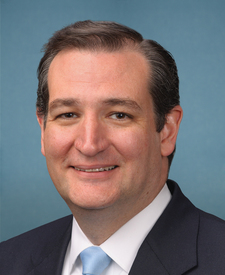
James Lankford
R-OK | Primary Sponsor
Legislative Progress
IntroducedMr. Lankford (for himself and Mr. Cruz) introduced the following …
Stakeholder Effects
cui bono?How this legislation distributes effects. Mention counts reflect frequency, not effect magnitude.
Bill Structure & Actor Mappings
Who is "The Secretary" in each section?
- "the_organization"
- → Charitable organization with tax-exempt status (501(c)(3))
Key Definitions
Terms defined in this bill
Expenses that are insignificant or inconsequential.
We use a combination of our own taxonomy and classification in addition to large language models to assess meaning and potential beneficiaries. High confidence means strong textual evidence. Always verify with the original bill text.
Learn more about our methodology