FIGHTING for America Act of 2025
Analysis under review: This bill has generated analysis that may be too generic or incomplete. Clause-level evidence remains available below.
Summary
What This Bill Does
The bill imposes fighting Illicit Goods, Helping Trustworthy Importers, and Netting Gains for America Act of 2025, defines reevaluation of de minimis exemption under section 321 of the Tariff Act of 1930, and defines designation of priority trade issue. It relies on tariffs, definition changes, reporting requirements, and trade restrictions. The main policy areas are Trade.
Who Benefits and How
Online marketplaces, express consignment operators, freight forwarders, and other entities involved in U.S. imports could gain revenue opportunities.
Who Bears the Burden and How
Parties making entry of shipments under section 321(a)(2)(C) could face higher costs, Importers of goods subject to the listed conditions could face higher costs, and Importers of goods from countries with high illicit goods trade could face higher barriers.
Key Provisions
- Imposes fighting Illicit Goods, Helping Trustworthy Importers, and Netting Gains for America Act of 2025.
- Defines reevaluation of de minimis exemption under section 321 of the Tariff Act of 1930.
- Defines designation of priority trade issue.
- Requires enhanced transparency for shipments.
- Imposes section 5 Limitations on exemption from duties.
Evidence Chain:
This summary is generated from the full bill text using AI analysis. Expand "Detailed Analysis" below for identified beneficiaries/burden bearers with clause-level evidence links.
At a Glance
What This Bill Does
The bill imposes fighting Illicit Goods, Helping Trustworthy Importers, and Netting Gains for America Act of 2025, defines reevaluation of de minimis exemption under section 321 of the Tariff Act of 1930, and defines designation of priority trade issue.
Key Policy Areas
Trade
Primary Purpose
The bill imposes fighting Illicit Goods, Helping Trustworthy Importers, and Netting Gains for America Act of 2025, defines reevaluation of de minimis exemption under section 321 of the Tariff Act of 1930, and defines designation of priority trade issue.
Policy Domains
Whole bill
Identified Gains
- Online marketplaces, express consignment operators, freight forwarders, and other entities involved in U.S. imports
Identified Costs
- Parties making entry of shipments under section 321(a)(2)(C)
- Importers of goods subject to the listed conditions
- Importers of goods from countries with high illicit goods trade
- Importers claiming administrative exemption under section 321(a)(2)(C)
- Importers and exporters of goods that may qualify for an administrative exemption under subsection (a)(2)(C)
Sponsors
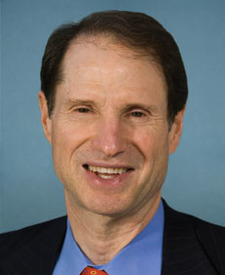
Legislative Progress
In CommitteeMr. Wyden introduced the following bill; which was read twice …
Read twice and referred to the Committee on Finance.
Introduced in Senate
Stakeholder Effects
cui bono?How this legislation distributes effects. Mention counts reflect frequency, not effect magnitude.
Importers and exporters of goods that may qualify for an administrative exemption under subsection (a)(2)(C), Importers of goods from countries with high illicit goods trade, Importers of goods subject to the listed conditions
Positive-direction: Importers of goods from countries with high illicit goods trade
Negative-direction: Importers and exporters of goods that may qualify for an administrative exemption under subsection (a)(2)(C), Importers of goods subject to the listed conditions, Parties making entry of shipments under section 321(a)(2)(C), Parties with interests in detained merchandise
Customs and Border Protection, Partner government agencies of U.S. Customs and Border Protection
Articles entered after a certain date, Importers claiming administrative exemption under section 321(a)(2)(C)
Positive-direction: Articles entered after a certain date
Negative-direction: Importers claiming administrative exemption under section 321(a)(2)(C)
Importers and exporters utilizing de minimis exemption
Online marketplaces, express consignment operators, freight forwarders, and other entities involved in U.S. imports
Bill Structure & Actor Mappings
Who is "The Secretary" in each section?
- "the_commission"
- → The commission identified in the operative section
- "secretary_of_treasury"
- → Secretary of the Treasury
We use a combination of our own taxonomy and classification in addition to large language models to assess meaning and potential beneficiaries. High confidence means strong textual evidence. Always verify with the original bill text.
Learn more about our methodology