To amend chapter 131 of title 5, United States Code, to prevent Members of Congress and their spouses and dependent children from trading stocks and owning stocks, and for other purposes.
Analysis under review: This bill has generated analysis that may be too generic or incomplete. Clause-level evidence remains available below.
Summary
What This Bill Does
Requires Members of Congress and their spouses and dependent children to place covered investments including stocks, commodities, and futures in qualified blind trusts.
Who Benefits and How
Public confidence in Congress improved. Conflict of interest concerns addressed. Ethics enforcement strengthened.
Who Bears the Burden and How
Members must divest or use blind trusts. Families lose control of investment decisions. Compliance costs for affected individuals.
Key Provisions
- Requires qualified blind trusts for congressional investments
- Covers securities, commodities, and futures
- Includes investments held through funds, trusts, and benefit plans
Evidence Chain:
This summary is generated from the full bill text using AI analysis. Expand "Detailed Analysis" below for identified beneficiaries/burden bearers.
At a Glance
What This Bill Does
Requires Members of Congress and their families to place investments in qualified blind trusts
Who Benefits
- Public trust
- Ethics enforcement
- Conflict prevention
Who Bears Costs
- Members of Congress
- Congressional families
Key Policy Areas
Ethics, Congress, Stock Trading
Primary Purpose
Requires Members of Congress and their families to place investments in qualified blind trusts
Policy Domains
Legislative Strategy
"Eliminate congressional insider trading conflicts"
Sponsors

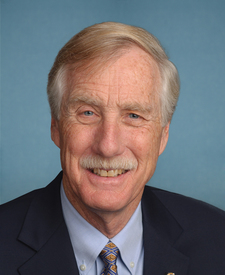

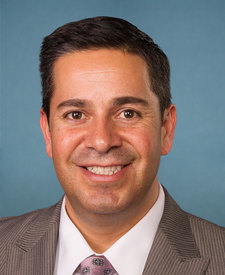

Legislative Progress
ReportedReported by Mr. Peters, with an amendment
Mr. Merkley (for himself, Mr. Brown, Mrs. Gillibrand, Mr. King, …
Mr. Merkley (for himself, Mr. Brown, Mrs. Gillibrand, Mr. King, …
Stakeholder Effects
cui bono?How this legislation distributes effects. Mention counts reflect frequency, not effect magnitude.
Federal judges and executive officials, Members of Congress, Members of Congress, President, Vice President
Congressional family members, Family members of covered officials
Bill Structure & Actor Mappings
Who is "The Secretary" in each section?
Key Definitions
Terms defined in this bill
security, commodity, future, or synthetic interest including through funds
We use a combination of our own taxonomy and classification in addition to large language models to assess meaning and potential beneficiaries. High confidence means strong textual evidence. Always verify with the original bill text.
Learn more about our methodology