Scarper Ridge Golden Gate National Recreation Area Boundary Adjustment Act
Summary
What This Bill Does
The Scarper Ridge Golden Gate National Recreation Area Boundary Adjustment Act amends the statute governing Golden Gate National Recreation Area so the Scarper Ridge proposed boundary addition is included in the park's statutory boundary framework. The land is identified by a July 2024 National Park Service map titled Golden Gate National Recreation Area Proposed Boundary Addition, numbered 641/193973.
The bill does not itself appropriate money or require immediate acquisition. Its legal effect is to authorize the mapped Scarper Ridge land to be treated as part of the Golden Gate National Recreation Area boundary if future acquisition, conservation, or management steps move forward.
Who Benefits and How
The National Park Service and Golden Gate National Recreation Area benefit because the bill gives them a clear statutory boundary reference for the Scarper Ridge parcel. Park visitors, Bay Area residents, local conservation groups, and recreation users benefit if the boundary addition protects open space, habitat, viewsheds, or trail connections around the existing park.
Who Bears the Burden and How
The National Park Service must update maps, planning records, land-status materials, and future stewardship work to account for the Scarper Ridge boundary addition. Private landowners connected to the mapped land and local entities involved in future transactions may face negotiation, conservation, or management steps if the parcel is acquired or protected for park use.
Key Provisions
- Amends Public Law 92-589 to add the Scarper Ridge proposed boundary addition to the Golden Gate National Recreation Area boundary framework.
- Identifies the controlling National Park Service map by title, number 641/193973, and July 2024 date.
- Expands the statutory boundary description so future park planning can include the mapped Scarper Ridge land.
- Provides a legal reference for future land acquisition, conservation, or management actions involving the Scarper Ridge parcel.
- Requires federal park administrators to account for the new boundary reference in future Golden Gate National Recreation Area records.
Evidence Chain:
This summary is generated from the full bill text using AI analysis. Expand "Detailed Analysis" below for identified beneficiaries/burden bearers with clause-level evidence links.
At a Glance
What This Bill Does
Adjusts the statutory boundary of Golden Gate National Recreation Area to include the Scarper Ridge proposed boundary addition shown on National Park Service map 641/193973, dated July 2024.
Key Policy Areas
Public Lands, Recreation, Environmental Conservation
Primary Purpose
Adjusts the statutory boundary of Golden Gate National Recreation Area to include the Scarper Ridge proposed boundary addition shown on National Park Service map 641/193973, dated July 2024.
Policy Domains
Whole bill
Identified Gains
- National Park Service
- Golden Gate National Recreation Area
- Park visitors
- Local conservation groups
- Bay Area residents
Identified Costs
- National Park Service
- Private landowners connected to the mapped parcel
- Local entities involved in future land transactions
Sponsors
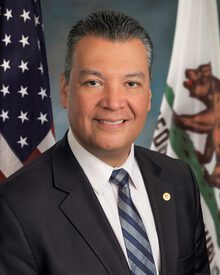
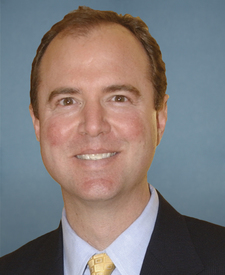
Legislative Progress
Passed SenateHeld at the desk.
Received in the House.
Message on Senate action sent to the House.
Passed Senate without amendment by Unanimous Consent. (consideration: CR S1605; …
Passed/agreed to in Senate: Passed Senate without amendment by Unanimous …
Senate Committee on Energy and Natural Resources discharged by Unanimous …
Mr. Padilla introduced the following bill; which was read twice …
Read twice and referred to the Committee on Energy and …
Introduced in Senate
Stakeholder Effects
cui bono?How this legislation distributes effects. Mention counts reflect frequency, not effect magnitude.
Bill Structure & Actor Mappings
Who is "The Secretary" in each section?
- "secretary"
- → Secretary or agency head named in the operative section
- "administrator"
- → Administrator named in the operative section
We use a combination of our own taxonomy and classification in addition to large language models to assess meaning and potential beneficiaries. High confidence means strong textual evidence. Always verify with the original bill text.
Learn more about our methodology