Enhancing Southbound Inspections to Combat Cartels Act
Analysis under review: This bill has generated analysis that may be too generic or incomplete. Clause-level evidence remains available below.
Summary
This bill aims to stop the flow of illegal weapons and cash from the United States into Mexico. It authorizes Customs and Border Protection to buy up to 50 new scanning machines for southbound inspections at the border and directs Immigration and Customs Enforcement to hire at least 200 new special agents to investigate smuggling of currency, firearms, drugs, and human trafficking. The bill sets a target of inspecting at least 10 percent of all vehicles leaving the U.S. for Mexico by March 2027, with plans to eventually increase to 15 and 20 percent. It requires DHS to report to Congress on inspection resources, operational cadence, and seizure data on a quarterly basis for four years.
Evidence Chain:
This summary is generated from the full bill text using AI analysis. Expand "Detailed Analysis" below for identified beneficiaries/burden bearers.
At a Glance
What This Bill Does
Enhance southbound inspection capabilities at the U.S.-Mexico border to combat smuggling of currency, firearms, and ammunition into Mexico by cartels, through new imaging equipment, additional Homeland Security Investigations personnel, mandatory inspection targets, and reporting requirements.
Who Benefits
- U.S. border communities
- Law enforcement agencies
- CBP and ICE
Who Bears Costs
- Cross-border travelers subject to increased inspections
- Federal budget (new equipment and personnel costs)
Key Policy Areas
{'domain': 'Border Security', 'evidence': 'Entire bill focuses on outbound inspection at southern land border'}, {'domain': 'Law Enforcement', 'evidence': 'Hiring 200 new HSI special agents for smuggling investigations'}, {'domain': 'Homeland Security', 'evidence': 'DHS/CBP equipment procurement and inspection mandates'}
Primary Purpose
Enhance southbound inspection capabilities at the U.S.-Mexico border to combat smuggling of currency, firearms, and ammunition into Mexico by cartels, through new imaging equipment, additional Homeland Security Investigations personnel, mandatory inspection targets, and reporting requirements.
Policy Domains
Legislative Strategy
"Bipartisan border security approach focusing on outbound enforcement to address southbound smuggling that fuels cartel operations"
Sponsors
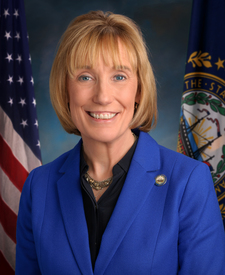

Legislative Progress
In CommitteeMs. Hassan (for herself and Mr. Lankford) introduced the following …
Read twice and referred to the Committee on Homeland Security …
Introduced in Senate
Stakeholder Effects
cui bono?How this legislation distributes effects. Mention counts reflect frequency, not effect magnitude.
Congressional oversight, Congressional oversight committees, Customs and Border Protection
Customs and Border Protection faces effects in multiple directions
Positive-direction: Congressional oversight, Congressional oversight committees, Immigration and Customs Enforcement
Negative-direction: Department of Homeland Security
Border communities and ports of entry, Cross-border commercial shippers, Cross-border travelers and shippers
Smuggling networks (currency, firearms, drugs)
Bill Structure & Actor Mappings
Who is "The Secretary" in each section?
- "the_commissioner"
- → Commissioner of U.S. Customs and Border Protection
- "the_director"
- → Director of U.S. Immigration and Customs Enforcement
- "the_secretary"
- → Secretary of Homeland Security
- "the_commissioner"
- → Commissioner of CBP
Key Definitions
Terms defined in this bill
Committees on Appropriations, Homeland Security, and Judiciary in both chambers
The international land border between the United States and Mexico
We use a combination of our own taxonomy and classification in addition to large language models to assess meaning and potential beneficiaries. High confidence means strong textual evidence. Always verify with the original bill text.
Learn more about our methodology