To revoke the visas of, and impose visa restrictions on, certain individuals located in the United States and abroad who are associated with regimes in Venezuela, Cuba, Nicaragua, and Bolivia, and for other purposes.
Analysis under review: This bill has generated analysis that may be too generic or incomplete. Clause-level evidence remains available below.
Summary
What This Bill Does
Revoke the visas of, and impose visa restrictions on, certain individuals located in the United States and abroad who are associated with regimes in Venezuela, Cuba, Nicaragua, and Bolivia. The main policy areas are National Security, Foreign Affairs, Immigration, and Government Operations.
Who Benefits and How
The main beneficiaries are the people, organizations, or agencies identified in the bill's substantive provisions.
Who Bears the Burden and How
No clear private burden is identified from the available clause analysis; implementing agencies may still take on administrative work.
Key Provisions
- Revoke the visas of, and impose visa restrictions on, certain individuals located in the United States and abroad who are associated with regimes in Venezuela, Cuba, Nicaragua, and Bolivia.
Evidence Chain:
This summary is generated from the full bill text using AI analysis. Expand "Detailed Analysis" below for primary purpose and policy domains.
At a Glance
What This Bill Does
Revoke the visas of, and impose visa restrictions on, certain individuals located in the United States and abroad who are associated with regimes in Venezuela, Cuba, Nicaragua, and Bolivia.
Key Policy Areas
National Security, Foreign Affairs, Immigration, Government Operations
Primary Purpose
Revoke the visas of, and impose visa restrictions on, certain individuals located in the United States and abroad who are associated with regimes in Venezuela, Cuba, Nicaragua, and Bolivia.
Policy Domains
Sponsors
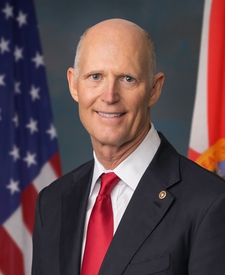
Legislative Progress
IntroducedMr. Scott of Florida introduced the following bill; which was …
Bill Structure & Actor Mappings
Who is "The Secretary" in each section?
We use a combination of our own taxonomy and classification in addition to large language models to assess meaning and potential beneficiaries. High confidence means strong textual evidence. Always verify with the original bill text.
Learn more about our methodology