To establish an Interagency Council on Service to promote and strengthen opportunities for military service, national service, and public service for all people of the United States, and for other purposes.
Analysis under review: This bill has generated analysis that may be too generic or incomplete. Clause-level evidence remains available below.
Summary
The Unity through Service Act of 2025 creates an Interagency Council on Service composed of 16+ senior federal agency representatives (Defense, State, VA, DHS, Peace Corps, AmeriCorps, OPM, and others). The Council advises the President on expanding service opportunities, coordinates joint recruitment and marketing across military, national, and public service, and produces quadrennial Service Strategy reports. The bill authorizes joint market research by DOD, AmeriCorps, and Peace Corps; creates cross-service transition pathways for separating military members and national service participants; requires a study on recruitment advertising effectiveness and vaccine requirement impacts; mandates joint congressional reports on integration initiatives; and establishes that no additional funds are authorized. A GAO effectiveness report is due within 30 months.
Evidence Chain:
This summary is generated from the full bill text using AI analysis. Expand "Detailed Analysis" below for identified beneficiaries/burden bearers.
At a Glance
What This Bill Does
Establish an Interagency Council on Service to promote and coordinate military, national, and public service recruitment strategies across 16+ federal agencies, with joint marketing programs, cross-service transition opportunities, and quadrennial service strategy reports.
Who Benefits
- Military recruitment (DOD)
- AmeriCorps and Peace Corps
- Federal workforce pipeline (OPM)
Who Bears Costs
- Federal agencies (coordination and reporting burden)
- Existing agency recruitment budgets
Key Policy Areas
Defense, Government Operations
Primary Purpose
Establish an Interagency Council on Service to promote and coordinate military, national, and public service recruitment strategies across 16+ federal agencies, with joint marketing programs, cross-service transition opportunities, and quadrennial service strategy reports.
Policy Domains
Legislative Strategy
"Break down silos between military, national, and public service recruitment by creating a coordination body and enabling cross-service transitions and joint marketing"
Sponsors
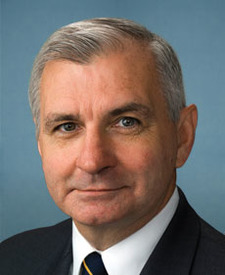
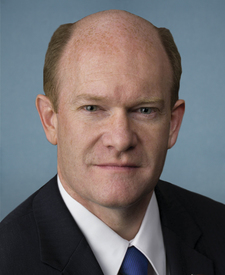
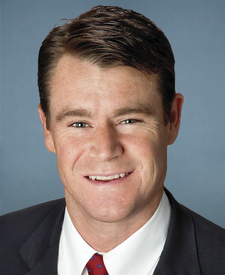
Legislative Progress
IntroducedMr. Reed (for himself, Mr. Young, and Mr. Coons) introduced …
Stakeholder Effects
cui bono?How this legislation distributes effects. Mention counts reflect frequency, not effect magnitude.
Congress (oversight), Council Chair and participating agencies, Federal agencies implementing the Act
Positive-direction: Congress (oversight)
Negative-direction: Council Chair and participating agencies, Federal agencies implementing the Act, Federal agencies on the Council (DOD, State, VA, DHS, etc.), GAO
National service programs (AmeriCorps, Peace Corps)
Key Definitions
Terms defined in this bill
Service in a position of employment with the Federal Government, State, local, or Tribal government
We use a combination of our own taxonomy and classification in addition to large language models to assess meaning and potential beneficiaries. High confidence means strong textual evidence. Always verify with the original bill text.
Learn more about our methodology