To amend the Fair Labor Standards Act of 1938 to provide more effective remedies to victims of discrimination in the payment of wages on the basis of sex, and for other purposes.
Summary
What This Bill Does
The bill defines congressional findings establishing the factual and legal basis for the Paycheck Fairness Act, documenting persistent gender pay gaps and their economic harms, requires strengthens equal pay enforcement by requiring employers to prove pay differences are based on bona fide job-related factors that are not derived from sex-based differentials, are consistent with business, and directs the EEOC and Office of Federal Contract Compliance Programs to provide training to their employees and affected individuals and entities on wage discrimination matters. It relies on compliance mandates, reporting requirements, definition changes, and liability protections. The main policy areas are Labor, Finance, and Technology.
Who Benefits and How
Workers subject to pay discrimination could face reduced risk, Small enterprises exempt from FLSA could face lower compliance burdens, and Nonprofit organizations providing workforce training could gain revenue opportunities.
Who Bears the Burden and How
Employers covered by Fair Labor Standards Act would take on compliance duties, Private employers with 100 or more employees would take on compliance duties, and Employers engaged in interstate commerce would take on compliance duties.
Key Provisions
- Defines congressional findings establishing the factual and legal basis for the Paycheck Fairness Act, documenting persistent gender pay gaps and their economic harms.
- Requires strengthens equal pay enforcement by requiring employers to prove pay differences are based on bona fide job-related factors that are not derived from sex-based differentials, are consistent with business...
- Directs the EEOC and Office of Federal Contract Compliance Programs to provide training to their employees and affected individuals and entities on wage discrimination matters.
- Authorizes the Secretary of Labor to establish a competitive grant program to provide negotiation skills training to address pay disparities, with outreach to women and girls.
- Requires Secretary of Labor to conduct studies on eliminating pay disparities, publish findings, sponsor informational programs, and recognize employers who work to eliminate pay gaps. Also requires a report on...
Evidence Chain:
This summary is generated from the full bill text using AI analysis. Expand "Detailed Analysis" below for identified beneficiaries/burden bearers with clause-level evidence links.
At a Glance
What This Bill Does
The bill defines congressional findings establishing the factual and legal basis for the Paycheck Fairness Act, documenting persistent gender pay gaps and their economic harms, requires strengthens equal pay enforcement by requiring employers to prove pay differences are based on bona fide job-related factors that are not derived from sex-based differentials, are consistent with business, and directs the EEOC and Office of Federal Contract Compliance Programs to provide training to their employees and affected individuals and entities on wage discrimination matters.
Key Policy Areas
Labor, Finance, Technology
Primary Purpose
The bill defines congressional findings establishing the factual and legal basis for the Paycheck Fairness Act, documenting persistent gender pay gaps and their economic harms, requires strengthens equal pay enforcement by requiring employers to prove pay differences are based on bona fide job-related factors that are not derived from sex-based differentials, are consistent with business, and directs the EEOC and Office of Federal Contract Compliance Programs to provide training to their employees and affected individuals and entities on wage discrimination matters.
Policy Domains
Main Act - Paycheck Fairness Act
Identified Gains
- Workers subject to pay discrimination
- Small enterprises exempt from FLSA
- Nonprofit organizations providing workforce training
- Job applicants with prior low wages
- Employment litigation attorneys
Identified Costs
- Employers covered by Fair Labor Standards Act
- Private employers with 100 or more employees
- Employers engaged in interstate commerce
- Federal contractors and subcontractors
- Federal contractors (non-construction)
Sponsors


Legislative Progress
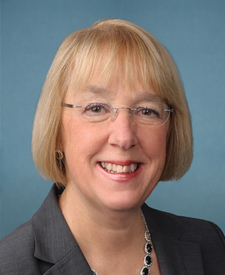
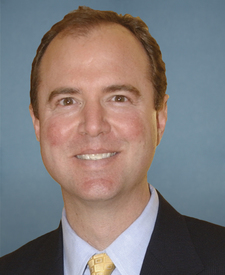
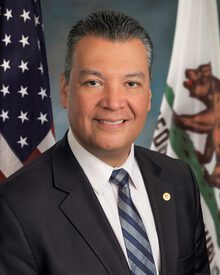
IntroducedMrs. Murray (for herself, Mr. Sanders, Ms. Alsobrooks, Ms. Baldwin, …
Stakeholder Effects
cui bono?How this legislation distributes effects. Mention counts reflect frequency, not effect magnitude.
Bureau of Labor Statistics, Department of Labor, Equal Employment Opportunity Commission
Employers covered by Fair Labor Standards Act, Employers engaged in interstate commerce, Employers proactively addressing pay equity
Positive-direction: Employers proactively addressing pay equity
Negative-direction: Employers covered by Fair Labor Standards Act, Employers engaged in interstate commerce, Private employers with 100 or more employees
Female workers experiencing pay discrimination, Job applicants with prior low wages, Prospective employees
Federal contractors (non-construction), Federal contractors and subcontractors
Background check and employment verification companies
Nonprofit organizations providing workforce training
Bill Structure & Actor Mappings
Who is "The Secretary" in each section?
- "the_director"
- → Director of the Office of Federal Contract Compliance Programs
- "the_secretary"
- → Secretary of Labor
- "the_commission"
- → Equal Employment Opportunity Commission
- "the_commissioner"
- → Commissioner of Labor Statistics
Key Definitions
Terms defined in this bill
A factor other than sex, such as education, training, or experience, that is not based upon or derived from a sex-based differential in compensation, is job-related, consistent with business necessity, and accounts for the entire differential in compensation.
The wages paid to the prospective employee by the prospective employee's current employer or previous employer.
Employees work for the same employer at workplaces located in the same county or similar political subdivision of a State.
We use a combination of our own taxonomy and classification in addition to large language models to assess meaning and potential beneficiaries. High confidence means strong textual evidence. Always verify with the original bill text.
Learn more about our methodology