To amend title 35, United States Code, to establish an interagency task force between the United States Patent and Trademark Office and the Food and Drug Administration for purposes of sharing information and providing technical assistance with respect to patents, and for other purposes.
Summary
What This Bill Does
Creates an Interagency Task Force on Patents between the USPTO and FDA so patent examiners can receive drug and biologic approval, labeling, prior-art, and sponsor-communication information relevant to pharmaceutical patent examination while preserving confidentiality protections.
Who Benefits and How
USPTO patent examiners benefit from access to FDA information about drug approvals, label updates, indications, prior art, and product-application communications that can help assess whether claimed inventions were already on sale or otherwise known. FDA drug review staff benefit from formal USPTO assistance in the FDA's ministerial role of listing patents. Patients and generic competition benefit indirectly if better information sharing reduces weak or overbroad drug patents that can delay lower-cost medicines. Congressional Judiciary Committees benefit from a 4-year report on how often FDA information is shared, how often it is used in examinations, what information is most useful, and whether Congress should alter the task force.
Who Bears the Burden and How
Human drug sponsors and biologic sponsors bear confidentiality and notice burdens because nonpublic FDA or USPTO records may be shared with the other agency after 30 days for sponsor consultation. USPTO leadership and FDA leadership must create or update a memorandum of understanding, appoint expert staff, build access processes, and maintain safeguards for confidential information. Patent applicants may face closer scrutiny when FDA approval, labeling, or sponsor-communication records undermine patentability claims. Agency records staff must keep FDA-shared information separate from pending patent applications and establish procedures to mark confidential material.
Key Provisions
- Establishes the Interagency Task Force on Patents in title 35.
- Requires USPTO and FDA to coordinate on patents, drug approvals, biologic approvals, labeling information, new technologies, prior art, and scientific developments.
- Directs USPTO to request and FDA to provide appropriate information for patent examiners, including public label updates and limited access to nonpublic approval or sponsor communications.
- Requires FDA consultation or information sharing after rejections when USPTO requests specific available information.
- Preserves FDA's ministerial patent-listing role and requires confidentiality protocols, 30-day sponsor notice, separation of shared information, and remedies for improper disclosure.
- Requires USPTO to report within 4 years on information-sharing frequency, examination use, useful methods and information types, congressional recommendations, and other agencies for similar coordination.
Evidence Chain:
This summary is generated from the full bill text using AI analysis. Expand "Detailed Analysis" below for identified beneficiaries/burden bearers with clause-level evidence links.
At a Glance
What This Bill Does
Creates an Interagency Task Force on Patents between the USPTO and FDA so patent examiners can receive drug and biologic approval, labeling, prior-art, and sponsor-communication information relevant to pharmaceutical patent examination while preserving confidentiality protections.
Key Policy Areas
Patents, Drug Approval, Health Care, Agency Coordination
Primary Purpose
Creates an Interagency Task Force on Patents between the USPTO and FDA so patent examiners can receive drug and biologic approval, labeling, prior-art, and sponsor-communication information relevant to pharmaceutical patent examination while preserving confidentiality protections.
Policy Domains
House resolution provisions
Identified Gains
- USPTO patent examiners benefit from access to FDA information about drug approvals, label updates, indications, prior art, and product-application communications that can help assess whether claimed inventions were already on sale or otherwise known
- FDA drug review staff benefit from formal USPTO assistance in the FDA's ministerial role of listing patents
- Patients and generic competition benefit indirectly if better information sharing reduces weak or overbroad drug patents that can delay lower-cost medicines
- Congressional Judiciary Committees benefit from a 4-year report on how often FDA information is shared, how often it is used in examinations, what information is most useful, and whether Congress should alter the task force
Identified Costs
- Human drug sponsors and biologic sponsors bear confidentiality and notice burdens because nonpublic FDA or USPTO records may be shared with the other agency after 30 days for sponsor consultation
- USPTO leadership and FDA leadership must create or update a memorandum of understanding, appoint expert staff, build access processes, and maintain safeguards for confidential information
- Patent applicants may face closer scrutiny when FDA approval, labeling, or sponsor-communication records undermine patentability claims
- Agency records staff must keep FDA-shared information separate from pending patent applications and establish procedures to mark confidential material
Sponsors
Legislative Progress
ReportedReported by Mr. Grassley, with amendments
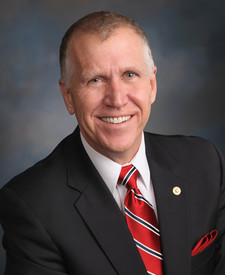
Mr. Durbin (for himself, Mr. Tillis, Mr. Grassley, Mr. Coons, …
Stakeholder Effects
cui bono?How this legislation distributes effects. Mention counts reflect frequency, not effect magnitude.
Patent examiners, USPTO leadership, USPTO records staff
Positive-direction: Patent examiners
Negative-direction: USPTO leadership, USPTO records staff
Biologic sponsors, FDA drug review staff, Human drug sponsors
Positive-direction: FDA drug review staff
Negative-direction: Biologic sponsors, Human drug sponsors
Bill Structure & Actor Mappings
Who is "The Secretary" in each section?
- "director"
- → USPTO Director
- "commissioner"
- → FDA Commissioner
We use a combination of our own taxonomy and classification in addition to large language models to assess meaning and potential beneficiaries. High confidence means strong textual evidence. Always verify with the original bill text.
Learn more about our methodology