Preserve Access to Affordable Generics and Biosimilars Act
Summary
What This Bill Does
Treats certain drug and biologic patent settlements as presumptively anticompetitive when a generic or biosimilar applicant receives value and delays research, development, manufacturing, marketing, or sales, and gives the Federal Trade Commission civil-penalty and litigation tools to police those agreements.
Who Benefits and How
Patients, health plans, and federal drug purchasers benefit if pay-for-delay settlements are deterred and lower-cost generic or biosimilar competition reaches the market earlier. Generic drug applicants and biosimilar applicants benefit when the bill protects earlier market entry, preserves antitrust counterclaims, and narrows settlement structures that trade value for delayed competition. FTC competition staff benefit from explicit section 27 authority, a 6-year enforcement window, civil penalties up to three times the attributable value, and direct litigation authority. DOJ antitrust staff benefit from CEO certifications that must describe complete written and oral settlement terms.
Who Bears the Burden and How
Brand drug manufacturers and biologic license holders bear new settlement limits because value-for-delay patent settlements are presumed anticompetitive unless they satisfy the statutory defenses. Generic drug applicants and biosimilar applicants also bear compliance duties because settlement certifications must be complete and violations can trigger penalties or 180-day exclusivity forfeiture. Company executives responsible for negotiations must certify filings within 30 days and expose incomplete side agreements. FTC staff must administer reports, enforcement actions, penalty calculations, and recommendations on whether releases of damages claims should get an additional exclusion.
Key Provisions
- Establishes a new Federal Trade Commission Act section 27 on compensation for delayed generic or biosimilar entry.
- Requires a presumption of anticompetitive effect when an ANDA filer or biosimilar applicant receives anything of value and agrees to delay research, development, manufacturing, marketing, or sales.
- Provides defenses for compensation solely for other goods or services or for settlements whose procompetitive benefits outweigh anticompetitive effects.
- Authorizes FTC civil actions, mandatory injunctions, equitable relief, and civil penalties up to three times the attributable value.
- Requires certifications that filed settlement materials include final agreements, ancillary agreements, and written descriptions of responsive oral commitments.
- Includes Patent Trial and Appeal Board dispute settlements in notification duties and adds section 27 violations as a forfeiture trigger for 180-day generic exclusivity.
- Requires FTC to report within one year on whether damages-release consideration should receive an additional exclusion and sets a 6-year limitations period after certification.
Evidence Chain:
This summary is generated from the full bill text using AI analysis. Expand "Detailed Analysis" below for identified beneficiaries/burden bearers with clause-level evidence links.
At a Glance
What This Bill Does
Treats certain drug and biologic patent settlements as presumptively anticompetitive when a generic or biosimilar applicant receives value and delays research, development, manufacturing, marketing, or sales, and gives the Federal Trade Commission civil-penalty and litigation tools to police those agreements.
Key Policy Areas
Drug Pricing, Antitrust, Patents, Health Care
Primary Purpose
Treats certain drug and biologic patent settlements as presumptively anticompetitive when a generic or biosimilar applicant receives value and delays research, development, manufacturing, marketing, or sales, and gives the Federal Trade Commission civil-penalty and litigation tools to police those agreements.
Policy Domains
House resolution provisions
Identified Gains
- Patients, health plans, and federal drug purchasers benefit if pay-for-delay settlements are deterred and lower-cost generic or biosimilar competition reaches the market earlier
- Generic drug applicants and biosimilar applicants benefit when the bill protects earlier market entry, preserves antitrust counterclaims, and narrows settlement structures that trade value for delayed competition
- FTC competition staff benefit from explicit section 27 authority, a 6-year enforcement window, civil penalties up to three times the attributable value, and direct litigation authority
- DOJ antitrust staff benefit from CEO certifications that must describe complete written and oral settlement terms
Identified Costs
- Brand drug manufacturers and biologic license holders bear new settlement limits because value-for-delay patent settlements are presumed anticompetitive unless they satisfy the statutory defenses
- Generic drug applicants and biosimilar applicants also bear compliance duties because settlement certifications must be complete and violations can trigger penalties or 180-day exclusivity forfeiture
- Company executives responsible for negotiations must certify filings within 30 days and expose incomplete side agreements
- FTC staff must administer reports, enforcement actions, penalty calculations, and recommendations on whether releases of damages claims should get an additional exclusion
Sponsors

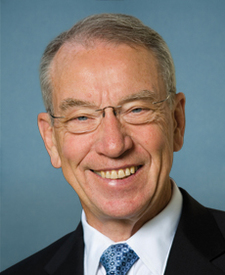
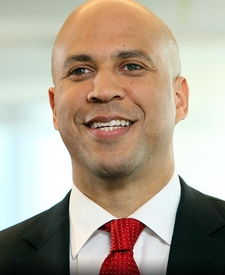

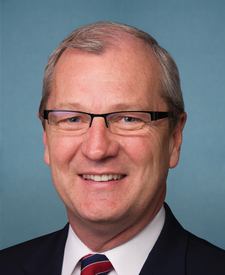
Legislative Progress
ReportedReported by Mr. Grassley, with an amendment
Placed on Senate Legislative Calendar under General Orders. Calendar No. …
Committee on the Judiciary. Reported by Senator Grassley with an …
Committee on the Judiciary. Ordered to be reported with an …
Ms. Klobuchar (for herself, Mr. Grassley, Mr. Durbin, Mr. Cramer, …
Read twice and referred to the Committee on the Judiciary.
Introduced in Senate
Stakeholder Effects
cui bono?How this legislation distributes effects. Mention counts reflect frequency, not effect magnitude.
Biologic license holders, Biologic patent settlement parties, Biologic settlement defendants
Positive-direction: Biosimilar applicants, Biosimilar medicine patients, Generic drug applicants, Generic medicine patients, Later generic applicants
Negative-direction: Biologic license holders, Biologic patent settlement parties, Biologic settlement defendants, Biologic settlement executives, Brand drug manufacturers, Drug patent settlement parties, Drug settlement defendants, Drug settlement executives, First generic applicants
DOJ antitrust staff, FTC competition staff, FTC enforcement staff
FTC competition staff faces effects in multiple directions
Positive-direction: DOJ antitrust staff, FTC litigation staff
Negative-direction: FTC enforcement staff
Bill Structure & Actor Mappings
Who is "The Secretary" in each section?
- "commission"
- → Federal Trade Commission
- "assistant_attorney_general"
- → Assistant Attorney General for Antitrust
Key Definitions
Terms defined in this bill
Includes related agreements entered within 30 days of a patent settlement or contingent on that settlement.
Allows earlier marketing rights, litigation-expense payments within the statutory cap, and covenants not to sue.
We use a combination of our own taxonomy and classification in addition to large language models to assess meaning and potential beneficiaries. High confidence means strong textual evidence. Always verify with the original bill text.
Learn more about our methodology