To amend the Small Business Act to enhance the Office of Rural Affairs, and for other purposes.
Summary
What This Bill Does
This bill rewrites the SBA Office of Rural Affairs statute. The Office is led by an Assistant Administrator appointed by the SBA Administrator as a noncareer Senior Executive Service official. The Office's duties are updated to focus on rural small business concerns, SBA and other federal policies, coordination with the Commerce Department's National Travel and Tourism Office, and regional outreach events.
The Assistant Administrator must host outreach events around the country and invite SBA district offices, resource partners, federal and state agencies, and other interested participants. The Office must coordinate with USDA on outreach, service delivery, rural capital access, overlap between SBA and USDA business loan programs, rural lenders, rural business investment, disaster assistance, cooperatives, Native American support, innovation, exportation, procurement, and technical assistance. SBA must notify Congress within seven days after any new or changed SBA-USDA memorandum of understanding and publish annual reports on the Office's budget, staffing, outreach events, rural lending analysis, working groups, and assistance efforts.
Who Benefits and How
Rural small businesses benefit from dedicated outreach, better program awareness, and coordination between SBA and USDA. Rural lenders benefit from attention to overlap between SBA loan programs and USDA rural programs. Native American entrepreneurs benefit from a required support focus. Cooperatives benefit from review of barriers to SBA resources. SBA district offices benefit from a formal role in rural outreach.
Who Bears the Burden and How
The SBA Assistant Administrator for Rural Affairs must run outreach events, convene working groups, coordinate with USDA, and report annually. SBA rural program staff must analyze lending performance and program overlap. USDA rural development staff must coordinate outreach and service delivery. Congressional small-business and agriculture committees must review MOU notices and annual reports.
Key Provisions
- Establishes the SBA Office of Rural Affairs Assistant Administrator as a noncareer Senior Executive Service appointee.
- Requires regional outreach events for rural small businesses.
- Directs SBA coordination with USDA on rural lending, investment, disaster assistance, cooperatives, Native American support, exports, procurement, and technical assistance.
- Requires seven-day congressional notice of SBA-USDA MOU changes.
- Requires annual public reports on Office operations, budget, staffing, outreach, lending, and interagency work.
Evidence Chain:
This summary is generated from the full bill text using AI analysis. Expand "Detailed Analysis" below for identified beneficiaries/burden bearers with clause-level evidence links.
At a Glance
What This Bill Does
Strengthens SBA's Office of Rural Affairs by making the Assistant Administrator a noncareer Senior Executive Service appointee, requiring regional outreach events for rural small businesses, directing SBA-USDA coordination on rural lending and disaster programs, requiring notice of memoranda of understanding changes within seven days, and mandating annual public reports.
Key Policy Areas
Small Business, Rural Development, SBA, USDA
Primary Purpose
Strengthens SBA's Office of Rural Affairs by making the Assistant Administrator a noncareer Senior Executive Service appointee, requiring regional outreach events for rural small businesses, directing SBA-USDA coordination on rural lending and disaster programs, requiring notice of memoranda of understanding changes within seven days, and mandating annual public reports.
Policy Domains
House resolution provisions
Identified Gains
- Rural small businesses
- Rural lenders
- Native American entrepreneurs
- Cooperatives
- SBA district offices
Identified Costs
- SBA Assistant Administrator for Rural Affairs
- SBA rural program staff
- USDA rural development staff
- Congressional small business committees
- Congressional agriculture committees
Sponsors
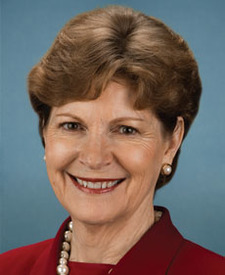
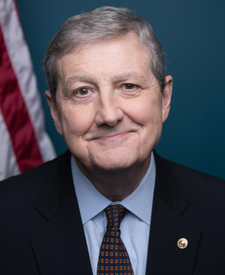
Legislative Progress
ReportedReported by Ms. Ernst, without amendment
Mrs. Shaheen (for herself and Mr. Kennedy) introduced the following …
Stakeholder Effects
cui bono?How this legislation distributes effects. Mention counts reflect frequency, not effect magnitude.
Native American entrepreneurs, Rural small businesses, SBA Assistant Administrator for Rural Affairs
Positive-direction: Native American entrepreneurs, Rural small businesses
Negative-direction: SBA Assistant Administrator for Rural Affairs
Bill Structure & Actor Mappings
Who is "The Secretary" in each section?
- "sba"
- → Small Business Administration
- "usda"
- → Department of Agriculture
We use a combination of our own taxonomy and classification in addition to large language models to assess meaning and potential beneficiaries. High confidence means strong textual evidence. Always verify with the original bill text.
Learn more about our methodology