To authorize a pilot program to expand and intensify surveillance of self-harm in partnership with State and local public health departments, to establish a grant program to provide self-harm and suicide prevention services in hospital emergency departments, and for other purposes.
Analysis under review: This bill has generated analysis that may be too generic or incomplete. Clause-level evidence remains available below.
Summary
What This Bill Does
This bill, To authorize a pilot program to expand and intensify surveillance of self-harm in partnership with State and local public health departments, to establish a grant program to provide self-harm and suicide prevention services in hospital emergency departments, and for other purposes., changes federal law or congressional policy affecting health care providers and patients. The main policy domain is Healthcare, Government Operations, Labor.
Who Benefits and How
health care providers and patients may benefit from new authority, funding, eligibility, regulatory clarity, or reduced risk created by the bill.
Who Bears the Burden and How
federal implementing agencies, health care providers and patients may take on implementation duties, reporting obligations, compliance costs, or oversight responsibilities.
Key Provisions
- Section H468C897E57A248338C53B720E3A6433C: 1. Short title This Act may be cited as the Suicide Prevention Act.
- Section HC02B21DB1D7E4DC58BD498BF5E7E58CA: 2. Syndromic surveillance of self-harm behaviors program Title III of the Public Health Service Act is amended by inserting after section 317V of such Act (42...
- Section HECA8A8B884A9410E878BC632E7C204F4: 317W. Syndromic surveillance of self-harm behaviors program The Secretary shall award grants to State, local, Tribal, and territorial public health departments...
- Section H979A37D175BF40C39CCFFC2C25F7F6B9: 3. Grants to provide self-harm and suicide prevention services Subpart 3 of part B of title V of the Public Health Service Act (42 U.S.C. 290bb–31 et seq.) is...
- Section H9276380EBF1745D696E4EFA983DA3123: 520O. Grants to provide self-harm and suicide prevention services The Secretary shall award grants to hospital emergency departments to provide self-harm and...
Evidence Chain:
This summary is generated from the full bill text using AI analysis. Expand "Detailed Analysis" below for identified beneficiaries/burden bearers with clause-level evidence links.
At a Glance
What This Bill Does
This bill, To authorize a pilot program to expand and intensify surveillance of self-harm in partnership with State and local public health departments, to establish a grant program to provide self-harm and suicide prevention services in hospital emergency departments, and for other purposes., changes federal law or congressional policy affecting health care providers and patients.
Key Policy Areas
Healthcare, Government Operations, Labor
Primary Purpose
This bill, To authorize a pilot program to expand and intensify surveillance of self-harm in partnership with State and local public health departments, to establish a grant program to provide self-harm and suicide prevention services in hospital emergency departments, and for other purposes., changes federal law or congressional policy affecting health care providers and patients.
Policy Domains
Whole bill
Identified Gains
- health care providers and patients
Identified Costs
- federal implementing agencies
- health care providers and patients
Sponsors
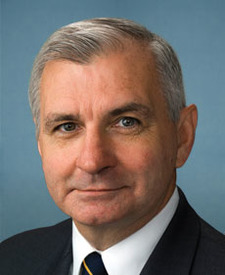
Jack Reed
D-RI | Primary Sponsor
Legislative Progress
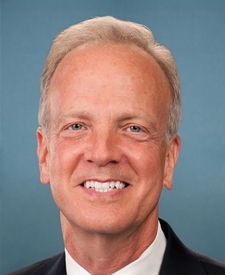
IntroducedMr. Reed (for himself and Mr. Moran) introduced the following …
Impact analysis is available but no clear stakeholder effects identified. View clause-level analysis →
Bill Structure & Actor Mappings
Who is "The Secretary" in each section?
- "the_secretary"
- → The Secretary identified in the operative section
- "the_administrator"
- → The Administrator identified in the operative section
We use a combination of our own taxonomy and classification in addition to large language models to assess meaning and potential beneficiaries. High confidence means strong textual evidence. Always verify with the original bill text.
Learn more about our methodology