To prohibit individuals convicted of defrauding the Government from receiving any assistance from the Small Business Administration, and for other purposes.
Sponsors
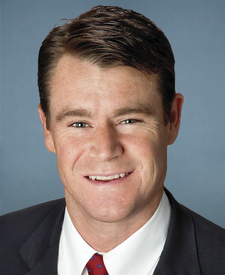
Todd Young
R-IN | Primary Sponsor

Legislative Progress
ReportedReported by Ms. Ernst, without amendment
Mr. Young (for himself and Ms. Ernst) introduced the following …
Mr. Young introduced the following bill; which was read twice …
Summary
What This Bill Does
The "Assisting Small Businesses Not Fraudsters Act" permanently bans individuals and small businesses from receiving most Small Business Administration financial assistance if they have been convicted of fraud related to COVID-19 pandemic relief programs. The law creates a lifetime prohibition that applies not just to the person convicted, but also to any small business where that person is an officer, director, owns more than 20% of the company, or is a key employee.
Who Benefits and How
Legitimate small businesses without fraud histories benefit by facing less competition for limited SBA resources, as fraudsters are permanently removed from the applicant pool. The Small Business Administration also benefits by gaining clearer legal authority to deny assistance to bad actors, making it easier to protect taxpayer funds and maintain program integrity without having to re-investigate repeat applicants with fraud histories.
Who Bears the Burden and How
Small business owners, officers, directors, or key employees who are convicted of fraud or false statements related to PPP loans, EIDL loans, restaurant revitalization grants, or other COVID-19 SBA programs lose permanent access to most SBA programs. Small businesses are also barred from SBA assistance if they have any associate (20%+ owner, officer, director, or key employee) with such a conviction, even if the business itself wasn't involved in the fraud. This can create hardship for businesses that undergo ownership changes or hire someone unaware of their fraud history. SBA staff face increased compliance burdens to verify conviction records and determine associate relationships.
Key Provisions
-
Creates permanent ineligibility for SBA financial assistance (except disaster loans) for anyone "finally convicted" of crimes involving financial misconduct or false statements related to COVID-19 pandemic relief programs
-
Defines "associate" broadly to include officers, directors, 20%+ equity owners, key employees, entities controlled by such individuals, and anyone in control of or controlled by the small business
-
Applies to convictions related to PPP loans (section 7(a) paragraphs 36-37), COVID-19 disaster loans (section 7(b)), restaurant revitalization grants, and targeted EIDL advance grants
-
Exempts section 7(b) disaster loans from the prohibition, allowing convicted individuals to still access emergency disaster assistance
-
Grandfathers existing contracts and agreements entered into before the law's enactment, protecting them from retroactive application
-
Requires convictions to be "final" meaning either not appealed and no longer appealable, or the appeals process has been completed
Evidence Chain:
This summary is derived from the structured analysis below. See "Detailed Analysis" for per-title beneficiaries/burden bearers with clause-level evidence links.
Primary Purpose
Prohibits Small Business Administration financial assistance to individuals and businesses with final convictions for fraud or financial misconduct related to COVID-19 pandemic relief programs.
Policy Domains
Legislative Strategy
"Strengthen accountability and prevent bad actors from repeatedly accessing SBA programs by creating permanent ineligibility for those convicted of pandemic-related financial fraud"
Likely Beneficiaries
- Small businesses without fraud histories that may face less competition for limited SBA resources
- SBA oversight functions with clearer authority to deny assistance
Likely Burden Bearers
- Individuals and businesses with associates convicted of COVID-19 loan/grant fraud
- Small businesses with ownership changes who inherit tainted associates
Bill Structure & Actor Mappings
Who is "The Secretary" in each section?
- "the_administrator"
- → Administrator of the Small Business Administration
Key Definitions
Terms defined in this bill
With respect to a small business concern: (i) an officer, director, or owner of more than 20% equity, or a key employee; (ii) any entity at least 20% owned or controlled by such individuals; (iii) any other individual or entity in control of or controlled by such small business concern, except for licensed SBIC companies
Loans under section 7(a) paragraphs 36 or 37 (PPP and EIDL advance loans), or section 7(b) COVID-19 disaster loans; or grants under American Rescue Plan Act section 5003 (restaurant revitalization) or Economic Aid Act section 324 (targeted EIDL advance grants)
A person convicted of an offense where the conviction either: (i) has not been appealed and is no longer appealable because time has expired, or (ii) has been appealed and the appeals process is completed
We use a combination of our own taxonomy and classification in addition to large language models to assess meaning and potential beneficiaries. High confidence means strong textual evidence. Always verify with the original bill text.
Learn more about our methodology