To amend title 35, United States Code, to address the infringement of patents that claim biological products, and for other purposes.
Sponsors
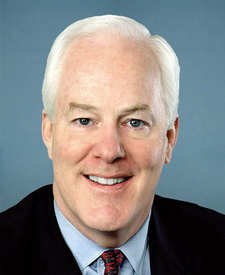
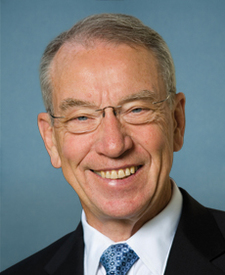
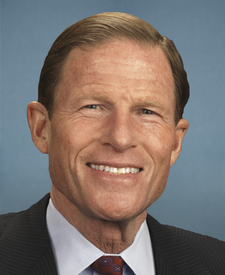
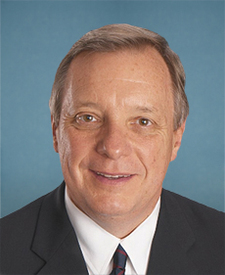
Legislative Progress
ReportedReported by Mr. Grassley, with amendments
Mr. Cornyn (for himself, Mr. Blumenthal, Mr. Grassley, and Mr. …
Summary
What This Bill Does
The Affordable Prescriptions for Patients Act limits the number of patents that brand-name biological drug manufacturers can use in lawsuits against companies making biosimilar (generic-like) versions of their drugs. It caps patent assertions at 20 total, with no more than 10 of those being patents issued after certain deadlines. The goal is to prevent "patent thickets" - where originator companies pile up dozens of patents to delay cheaper alternatives from reaching the market.
Who Benefits and How
Biosimilar manufacturers benefit by facing fewer legal obstacles when trying to bring lower-cost alternatives to market. The cap on patents reduces litigation costs and speeds up the approval process. Patients and healthcare consumers stand to benefit from increased competition in the biological drug market, which should lead to lower prescription drug prices. Health insurance companies and government programs (Medicare, Medicaid) would benefit from reduced drug spending.
Who Bears the Burden and How
Brand-name biological drug manufacturers (reference product sponsors) face new limitations on their ability to defend their intellectual property. Companies like Amgen, Genentech, and AbbVie that hold extensive patent portfolios on drugs like Humira or Enbrel will be limited in how many patents they can assert in infringement lawsuits. This may reduce their ability to extend market exclusivity through patent litigation.
Key Provisions
- Patent cap of 20: Reference product sponsors can assert no more than 20 patents total against biosimilar applicants, with no more than 10 being patents issued after the statutory deadline.
- Exclusions from cap: Patents claiming methods of therapeutic use (indications, treatment methods) are not subject to the limitation.
- Court discretion to increase limit: Courts may allow more patents if the interest of justice requires it, or for good cause shown (e.g., if the biosimilar applicant fails to provide required information).
- Late-filed patent exclusion: Patents filed more than 4 years after the reference product is approved, or claiming manufacturing methods not used by the originator, count toward the cap.
- Compliance requirement: The patent cap only applies if the biosimilar applicant completes all required regulatory steps under the Public Health Service Act.
Evidence Chain:
This summary is derived from the structured analysis below. See "Detailed Analysis" for per-title beneficiaries/burden bearers with clause-level evidence links.
Primary Purpose
To amend title 35, United States Code, to address the infringement of patents that claim biological products
Policy Domains
Bill Structure & Actor Mappings
Who is "The Secretary" in each section?
We use a combination of our own taxonomy and classification in addition to large language models to assess meaning and potential beneficiaries. High confidence means strong textual evidence. Always verify with the original bill text.
Learn more about our methodology