Drug Competition Enhancement Act
Summary
What This Bill Does
The Drug Competition Enhancement Act adds a product-hopping section to the Federal Trade Commission Act. It defines generic drugs, biosimilar biological products, listed drugs, reference products, follow-on products, manufacturers, and ultimate parent entities. A manufacturer of a listed drug or reference product commits an unfair method of competition if, after receiving notice of an ANDA or biosimilar application and during the statutory competition window, it uses a hard switch or soft switch that impedes generic or biosimilar competition while marketing or selling a follow-on product.
A hard switch includes asking FDA to withdraw approval or discontinue listing the old product and selling a follow-on product, or withdrawing, discontinuing, announcing discontinuance, or destroying inventory in a way that impedes competition. A soft switch covers other actions that unfairly disadvantage the old product relative to a follow-on product. The bill excludes truthful non-misleading promotion and ceasing promotion alone. Manufacturers can defend actions based on patient safety, supply disruptions outside their control, or legitimate procompetitive reasons. FTC can rebut those defenses, bring administrative proceedings, seek temporary or permanent injunctions, and pursue disgorgement or restitution within five years of unjust enrichment.
Who Benefits and How
Generic drug developers benefit because brand manufacturers face a defined FTC standard against hard-switch and soft-switch product hopping. Biosimilar developers benefit from the same protection when referencing biological products. Patients using affected drugs benefit if generic or biosimilar entry is not delayed by anticompetitive switching. Health plan payers benefit if competition lowers drug spending. FTC competition staff benefit from explicit enforcement authority and remedies.
Who Bears the Burden and How
Listed drug manufacturers face new antitrust exposure for withdrawing, discontinuing, destroying inventory, or disadvantaging older products to shift the market. Reference product manufacturers face the same risk for biologics. Pharmaceutical marketing teams must distinguish truthful promotion from anticompetitive switch strategy. FTC litigators must prove the statutory elements and rebut defenses. Federal courts must adjudicate injunction, disgorgement, restitution, and review petitions.
Key Provisions
- Defines pharmaceutical product hopping in the FTC Act.
- Prohibits hard switches involving withdrawal, discontinuance, inventory destruction, or discontinued-product listing used to impede competition.
- Prohibits soft switches that unfairly disadvantage an older product while marketing a follow-on product.
- Provides defenses for safety risks, supply disruptions, and legitimate procompetitive reasons.
- Authorizes FTC administrative proceedings, injunctions, disgorgement, restitution, and appellate review.
Evidence Chain:
This summary is generated from the full bill text using AI analysis. Expand "Detailed Analysis" below for identified beneficiaries/burden bearers with clause-level evidence links.
At a Glance
What This Bill Does
Makes anticompetitive pharmaceutical product hopping an FTC unfair method of competition when brand or reference-product manufacturers use hard switches or soft switches after generic or biosimilar applications, while preserving safety, supply-disruption, and legitimate procompetitive defenses and authorizing FTC injunctions, disgorgement, restitution, and cease-and-desist proceedings.
Key Policy Areas
Pharmaceuticals, Antitrust, FTC, Drug Competition
Primary Purpose
Makes anticompetitive pharmaceutical product hopping an FTC unfair method of competition when brand or reference-product manufacturers use hard switches or soft switches after generic or biosimilar applications, while preserving safety, supply-disruption, and legitimate procompetitive defenses and authorizing FTC injunctions, disgorgement, restitution, and cease-and-desist proceedings.
Policy Domains
House resolution provisions
Identified Gains
- Generic drug developers
- Biosimilar developers
- Patients using affected drugs
- Health plan payers
- FTC competition staff
Identified Costs
- Listed drug manufacturers
- Reference product manufacturers
- Pharmaceutical marketing teams
- FTC litigators
- Federal courts
Sponsors
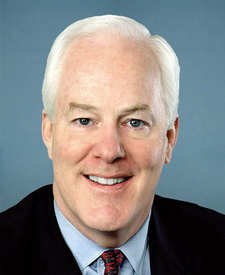



Legislative Progress
ReportedReported by Mr. Grassley, with an amendment
Placed on Senate Legislative Calendar under General Orders. Calendar No. …
Committee on the Judiciary. Reported by Senator Grassley with an …
Committee on the Judiciary. Ordered to be reported with an …
Mr. Cornyn (for himself, Mr. Blumenthal, Mr. Grassley, and Mr. …
Read twice and referred to the Committee on the Judiciary.
Introduced in Senate
Stakeholder Effects
cui bono?How this legislation distributes effects. Mention counts reflect frequency, not effect magnitude.
Biosimilar developers, Generic drug developers, Listed drug manufacturers
Positive-direction: Biosimilar developers, Generic drug developers
Negative-direction: Listed drug manufacturers, Reference product manufacturers
Bill Structure & Actor Mappings
Who is "The Secretary" in each section?
- "fda"
- → Food and Drug Administration
- "ftc"
- → Federal Trade Commission
We use a combination of our own taxonomy and classification in addition to large language models to assess meaning and potential beneficiaries. High confidence means strong textual evidence. Always verify with the original bill text.
Learn more about our methodology