9–8–8 Lifeline Cybersecurity Responsibility Act
Analysis under review: This bill has generated analysis that may be too generic or incomplete. Clause-level evidence remains available below.
Summary
What This Bill Does
This bill strengthens cybersecurity protections for the 9-8-8 National Suicide Prevention Lifeline, which provides mental health crisis support to people in distress. It requires the network administrator and local crisis centers to report any cybersecurity vulnerabilities or security breaches within 24 hours, and mandates coordination with the Department of Health and Human Services' Chief Information Security Officer to eliminate security weaknesses. The bill also requires the Government Accountability Office to study cybersecurity risks facing the 9-8-8 Lifeline within 180 days.
Who Benefits and How
People who call the 9-8-8 Lifeline benefit from enhanced data privacy and security protections for their sensitive mental health information and personal data. The Department of Health and Human Services gains clearer regulatory authority over cybersecurity for this critical mental health infrastructure. Cybersecurity firms and consultants may benefit from implementation and compliance work as the network administrator and crisis centers upgrade their security systems and processes.
Who Bears the Burden and How
The 9-8-8 network administrator (currently Vibrant Emotional Health) faces new compliance obligations including 24-hour reporting requirements for vulnerabilities and incidents, coordination with HHS cybersecurity officials, and potential technology upgrades. Local and regional crisis centers participating in the 9-8-8 network must implement monitoring systems to detect cybersecurity problems, report issues within 24 hours to the network administrator, and potentially invest in security infrastructure. The HHS Chief Information Security Officer receives additional coordination and oversight responsibilities for the 9-8-8 program's cybersecurity posture.
Key Provisions
- Network administrators must coordinate with HHS's Chief Information Security Officer to protect the 9-8-8 program from cybersecurity incidents and eliminate known vulnerabilities
- Crisis centers and network administrators must report any identified cybersecurity vulnerabilities or security incidents to HHS within 24 hours of discovery
- Crisis centers retain responsibility for overseeing their own technology, unless the network participation agreement specifies that the network administrator has oversight authority
- The reporting requirements supplement (not replace) other existing federal cybersecurity reporting requirements
- GAO must complete a study evaluating cybersecurity risks to the 9-8-8 Lifeline and report findings to Congress within 180 days
Evidence Chain:
This summary is generated from the full bill text using AI analysis. Expand "Detailed Analysis" below for identified beneficiaries/burden bearers.
At a Glance
What This Bill Does
Requires cybersecurity protections and vulnerability reporting for the 9-8-8 National Suicide Prevention Lifeline program
Who Benefits
- 9-8-8 Lifeline callers (privacy and data protection)
- Crisis center staff (clearer security protocols)
- HHS/SAMHSA (regulatory authority over cybersecurity)
Who Bears Costs
- 9-8-8 network administrator (Vibrant Emotional Health) - new reporting and coordination duties
- Local and regional crisis centers - 24-hour reporting requirements for vulnerabilities/incidents
- HHS Chief Information Security Officer - new coordination responsibilities
Key Policy Areas
Healthcare, Cybersecurity, Mental Health Services, Information Technology
Primary Purpose
Requires cybersecurity protections and vulnerability reporting for the 9-8-8 National Suicide Prevention Lifeline program
Policy Domains
Legislative Strategy
"Enhance cybersecurity protections for critical mental health infrastructure following the transition to 9-8-8 in 2022"
Identified Gains
- 9-8-8 Lifeline callers (privacy and data protection)
- Crisis center staff (clearer security protocols)
- HHS/SAMHSA (regulatory authority over cybersecurity)
- Cybersecurity contractors and consultants (implementation support)
Identified Costs
- 9-8-8 network administrator (Vibrant Emotional Health) - new reporting and coordination duties
- Local and regional crisis centers - 24-hour reporting requirements for vulnerabilities/incidents
- HHS Chief Information Security Officer - new coordination responsibilities
Sponsors
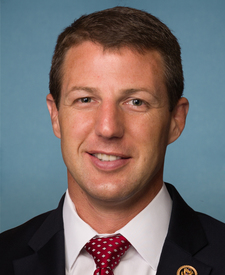

Legislative Progress
In CommitteeMr. Mullin (for himself and Mr. Padilla) introduced the following …
Read twice and referred to the Committee on Health, Education, …
Introduced in Senate
Impact analysis is available but no clear stakeholder effects identified. View clause-level analysis →
Bill Structure & Actor Mappings
Who is "The Secretary" in each section?
- "the_assistant_secretary"
- → Assistant Secretary for Mental Health and Substance Use, HHS
- "the_comptroller_general"
- → Comptroller General of the United States (GAO)
- "local_and_regional_crisis_centers"
- → Crisis centers participating in the 9-8-8 Lifeline program
- "the_program_network_administrator"
- → The entity administering the 9-8-8 Lifeline network (Vibrant Emotional Health)
- "the_chief_information_security_officer"
- → Chief Information Security Officer of the Department of Health and Human Services
Key Definitions
Terms defined in this bill
The 9-8-8 National Suicide Prevention Lifeline program established under the Public Health Service Act
Identified security breaches or attacks against the 9-8-8 program that must be reported within 24 hours
We use a combination of our own taxonomy and classification in addition to large language models to assess meaning and potential beneficiaries. High confidence means strong textual evidence. Always verify with the original bill text.
Learn more about our methodology