Enabling the House of Representatives to be responsive to its membership.
Analysis under review: This bill has generated analysis that may be too generic or incomplete. Clause-level evidence remains available below.
Summary
What This Bill Does
This House resolution makes three changes to House Rules:
1. Code of Official Conduct (Rule XXIII): Replaces the current clause 2 with language requiring all Members, Delegates, the Resident Commissioner, officers, and employees to adhere to both the spirit and the letter of House rules and committee rules.
2. Suspension of Rules (Rule XV): Restates the existing suspension procedure: rules can only be suspended by a two-thirds vote, suspensions can only be considered on Mondays through Wednesdays and during the last six days of a session, only an adjournment motion is in order while a suspension is pending, and debate is limited to 40 minutes.
3. Time Zone Clocks: Directs the Clerk to install clocks displaying all U.S. time zones in the House Chamber, visible to Members.
Who Benefits and How
- House Members from non-Eastern time zones: Better awareness of the time in their home districts during floor proceedings.
- The public and House institution: Strengthened ethics language requiring adherence to the spirit (not just letter) of rules may improve institutional accountability.
Who Bears the Burden and How
- House Administration: Bears the cost of installing and maintaining time zone clocks.
- Members and staff: Held to a potentially higher standard under the revised Code of Official Conduct language requiring adherence to the spirit of rules.
Key Provisions
- Restores requirement to follow the spirit and letter of House rules
- Codifies the suspension of rules procedure (two-thirds vote, limited days, 40-minute debate)
- Mandates installation of U.S. time zone clocks in the House Chamber
Evidence Chain:
This summary is generated from the full bill text using AI analysis. Expand "Detailed Analysis" below for identified beneficiaries/burden bearers.
At a Glance
What This Bill Does
Amends House Rules to restore the Code of Official Conduct requirement that Members adhere to both the spirit and letter of House rules, modifies the suspension of rules procedure, and requires placement of U.S. time zone clocks in the House Chamber.
Key Policy Areas
Congressional Procedure, Government Ethics, House Administration
Primary Purpose
Amends House Rules to restore the Code of Official Conduct requirement that Members adhere to both the spirit and letter of House rules, modifies the suspension of rules procedure, and requires placement of U.S. time zone clocks in the House Chamber.
Policy Domains
Code of Official Conduct and Suspension of Rules Amendments
Identified Gains
Contextual inference, no direct clause citation- House institutional integrity
- The public interest in congressional accountability
Contextual inference, no direct clause citation
Identified Costs
Contextual inference, no direct clause citation- House Members, officers, and employees
Contextual inference, no direct clause citation
Time Zone Clocks in House Chamber
Identified Gains
Contextual inference, no direct clause citation- House Members from non-Eastern time zones
Contextual inference, no direct clause citation
Identified Costs
Contextual inference, no direct clause citation- House Administration budget
Contextual inference, no direct clause citation
Legislative Progress
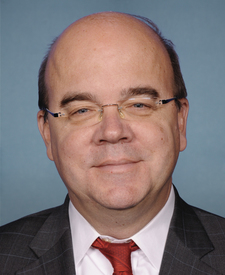
In CommitteeMr. McGovern submitted the following resolution; which was referred to …
Referred to the Committee on House Administration, and in addition …
Submitted in House
Impact analysis is available but no clear stakeholder effects identified. View clause-level analysis →
Bill Structure & Actor Mappings
Who is "The Secretary" in each section?
- "House Members and staff"
- → Subject to the revised Code of Official Conduct
- "Clerk of the House"
- → Responsible for installing time zone clocks
- "Committee on House Administration"
- → Promulgates regulations for implementation
We use a combination of our own taxonomy and classification in addition to large language models to assess meaning and potential beneficiaries. High confidence means strong textual evidence. Always verify with the original bill text.
Learn more about our methodology