Expressing the sense of the House of Representatives that the United States should reduce and maintain the Federal unified budget deficit at or below 3 percent of gross domestic product.
Analysis under review: This bill has generated analysis that may be too generic or incomplete. Clause-level evidence remains available below.
Summary
What This Bill Does
This House resolution states that the federal unified budget deficit should be reduced to 3 percent of gross domestic product or less by the end of fiscal year 2030, with an eventual goal of a balanced budget. It also urges the President, the budget resolution process, House committees, CBO, and JCT to use that target in budgeting and scorekeeping.
Who Benefits and How
Fiscal watchdogs and lawmakers focused on deficit reduction would gain a clear benchmark for budget policy. The resolution also encourages more visible reporting about whether major legislation is consistent with that target.
Who Bears the Burden and How
House committees, budget scorekeepers, and executive-branch budget planners are asked to do additional enforcement and reporting work. Policymakers who want more flexibility for deficit-financed tax cuts or spending increases would face stronger pressure against those moves.
Key Provisions
- Sets a 3 percent-of-GDP unified deficit target to be met by the end of fiscal year 2030.
- Urges the President and congressional budget resolution process to align with that target.
- Calls on the House Budget Committee and House Rules Committee to recommend enforcement options and harder-to-waive budget rules.
- Encourages CBO and JCT to show how major legislation affects progress toward the target.
Evidence Chain:
This summary is generated from the full bill text using AI analysis. Expand "Detailed Analysis" below for identified beneficiaries/burden bearers with clause-level evidence links.
At a Glance
What This Bill Does
Express the House's view that the Federal unified budget deficit should be reduced to 3 percent of gross domestic product or less by fiscal year 2030 and that House budget procedures and scorekeeping should support that goal.
Key Policy Areas
Fiscal Policy
Primary Purpose
Express the House's view that the Federal unified budget deficit should be reduced to 3 percent of gross domestic product or less by fiscal year 2030 and that House budget procedures and scorekeeping should support that goal.
Policy Domains
Single section - Sense of the House on deficit reduction
Identified Gains
- Fiscal watchdogs and lawmakers focused on deficit reduction
- Future taxpayers concerned about sustained deficits
Identified Costs
- House committees and scorekeeping bodies asked to add enforcement and reporting work
- Policymakers seeking greater tolerance for deficit-financed legislation
Sponsors
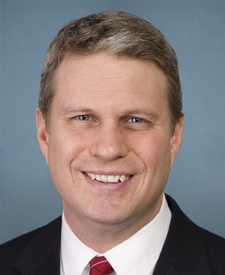

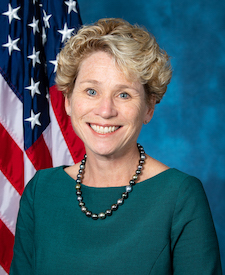

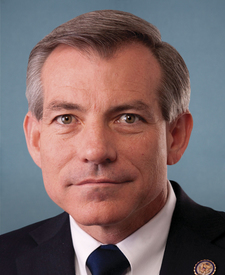
Legislative Progress
In CommitteeMr. Huizenga (for himself, Mr. Peters, Mr. Smucker, Mr. Quigley, …
Referred to the Committee on the Budget, and in addition …
Submitted in House
Stakeholder Effects
cui bono?How this legislation distributes effects. Mention counts reflect frequency, not effect magnitude.
Congressional Budget Office and Joint Committee on Taxation, House Committee on the Budget and House Committee on Rules
Bill Structure & Actor Mappings
Who is "The Secretary" in each section?
- "cbo"
- → Congressional Budget Office
- "jct"
- → Joint Committee on Taxation
- "congress"
- → Congress
- "the_president"
- → President of the United States
- "house_rules_committee"
- → House Committee on Rules
- "house_budget_committee"
- → House Committee on the Budget
Key Definitions
Terms defined in this bill
Reduce the Federal unified budget deficit to 3 percent of gross domestic product or less as soon as possible and no later than the end of fiscal year 2030.
We use a combination of our own taxonomy and classification in addition to large language models to assess meaning and potential beneficiaries. High confidence means strong textual evidence. Always verify with the original bill text.
Learn more about our methodology