Recognizing the significance of the Greensboro Four sit-in during Black History Month.
Sponsors
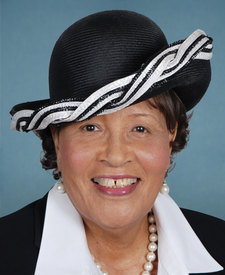
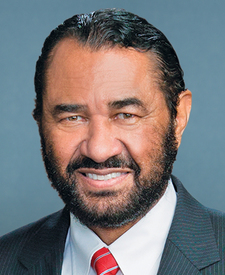



Legislative Progress
In CommitteeMs. Adams (for herself, Ms. Brown, Mr. Ivey, Mr. Johnson …
Summary
What This Bill Does
This House resolution formally recognizes the historic contributions of the Greensboro Four—four African American college students who, on February 1, 1960, staged a sit-in at a segregated Woolworth lunch counter in Greensboro, North Carolina. The resolution acknowledges their role in catalyzing the civil rights movement, particularly in mobilizing college students that led to the formation of the Student Non-Violent Coordinating Committee (SNCC). It also affirms that America's racial and ethnic diversity strengthens the nation and that sit-ins remain an important form of nonviolent resistance for social change.
Who Benefits and How
This resolution provides symbolic recognition rather than direct financial benefits. Civil rights historians, educators, and organizations focused on diversity and inclusion benefit from the formal congressional acknowledgment of this important historical event. Educational institutions and curriculum developers may see increased interest in civil rights history materials if states choose to follow the resolution's encouragement. Museums and organizations that preserve civil rights history, such as the International Civil Rights Center & Museum in Greensboro, may experience heightened visibility and public interest.
Who Bears the Burden and How
As a non-binding resolution, this bill creates no direct burdens or costs. State education departments are encouraged—but not required—to include the history of the Greensboro Four in their curricula. If states choose to update their educational standards, education departments would need to revise curriculum frameworks and teachers might need to incorporate new materials, though this represents a minor administrative task rather than a significant burden. Taxpayers face no costs from this resolution.
Key Provisions
- Formally recognizes the Greensboro Four for their contribution to the civil rights movement and their role in mobilizing college students
- Acknowledges that the Greensboro Four's actions served as a catalyst for the formation of the Student Non-Violent Coordinating Committee
- Affirms that racial and ethnic diversity enriches and strengthens the United States
- Recognizes sit-ins as an effective and continuing form of nonviolent resistance to achieve positive social change
- Encourages all states to include the history and contributions of the Greensboro Four in their educational curricula
Evidence Chain:
This summary is derived from the structured analysis below. See "Detailed Analysis" for per-title beneficiaries/burden bearers with clause-level evidence links.
Primary Purpose
Recognizes the Greensboro Four for their contribution to the civil rights movement and encourages states to include their history in educational curricula
Policy Domains
Legislative Strategy
"Commemorative resolution to honor civil rights activists and promote educational awareness of civil rights history"
Likely Beneficiaries
- Educational institutions
- Civil rights historians
- Students learning civil rights history
- Organizations promoting diversity and inclusion
Likely Burden Bearers
- State education departments (if they choose to comply with encouragement to update curricula)
Bill Structure & Actor Mappings
Who is "The Secretary" in each section?
Key Definitions
Terms defined in this bill
Civil rights organization formed as a result of college student mobilization catalyzed by the Greensboro sit-in
Four African American college students who initiated the Greensboro sit-in on February 1, 1960, at a segregated Woolworth lunch counter
We use a combination of our own taxonomy and classification in addition to large language models to assess meaning and potential beneficiaries. High confidence means strong textual evidence. Always verify with the original bill text.
Learn more about our methodology