Condemning the Supreme Court’s decision to overturn Roe v. Wade and Planned Parenthood v. Casey and committing to advancing reproductive justice and judicial reform.
Legislative Progress
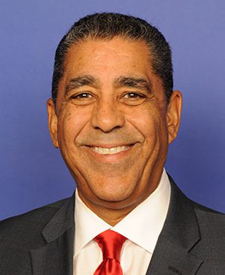
In CommitteeMr. Espaillat submitted the following resolution; which was referred to …
Summary
What This Bill Does
This House resolution formally condemns the Supreme Court's 2022 Dobbs v. Jackson Women's Health Organization decision, which overturned Roe v. Wade and ended the constitutional right to abortion. The resolution commits the House of Representatives to pursuing judicial reform using Congress's Article III constitutional authority and to advancing federal legislation to protect reproductive rights.
Who Benefits and How
Abortion rights advocates and reproductive healthcare organizations gain symbolic support from the House, though this non-binding resolution creates no legal changes. Women seeking abortion access, particularly in states with restrictions, would benefit if the resolution's goals of federal reproductive rights legislation were eventually enacted. Marginalized communities explicitly named in the resolution - women of color, undocumented women, low-income women, LGBTQIA+ individuals, and people with disabilities - are recognized as deserving protection.
Who Bears the Burden and How
The Supreme Court is directly criticized and condemned in this resolution, with the House characterizing it as a "partisan institution" that has lost public confidence. Anti-abortion organizations face symbolic opposition to their policy goals. States that have enacted abortion restrictions following the Dobbs decision face implicit criticism, though no enforcement mechanism exists in this resolution.
Key Provisions
- Formally condemns the Supreme Court's Dobbs decision overturning Roe v. Wade
- Commits to using Congress's Article III authority for judicial reform
- Commits to ensuring federal law advances "reproductive justice" with abortion recognized as healthcare
- Specifically names communities disproportionately impacted: women of color, undocumented women, low-income women, LGBTQIA+ individuals, gender nonconforming individuals, and people with disabilities
- Urges the executive branch to take a "whole-of-government approach" to advancing reproductive justice
Evidence Chain:
This summary is derived from the structured analysis below. See "Detailed Analysis" for per-title beneficiaries/burden bearers with clause-level evidence links.
Primary Purpose
A non-binding House resolution condemning the Supreme Court's Dobbs v. Jackson decision that overturned Roe v. Wade, and committing to advancing reproductive justice through legislative action and judicial reform.
Policy Domains
Legislative Strategy
"Use Congressional authority under Article III to pursue judicial reform and codify reproductive rights at the federal level"
Likely Beneficiaries
- Reproductive healthcare providers
- Women seeking abortion access
- Marginalized communities (women of color, low-income women, LGBTQIA+ individuals)
- Abortion rights advocacy organizations
Likely Burden Bearers
- Anti-abortion organizations
- States with abortion restrictions
- The current Supreme Court majority
Bill Structure & Actor Mappings
Who is "The Secretary" in each section?
- "the_house"
- → House of Representatives
- "the_executive_branch"
- → Executive Branch (President and Federal Agencies)
Key Definitions
Terms defined in this bill
Access to abortion as a fundamental liberty and healthcare right (implied from context)
Women of color, undocumented women, women living in poverty, LGBTQIA+ individuals, gender nonconforming individuals, and individuals with disabilities
We use a combination of our own taxonomy and classification in addition to large language models to assess meaning and potential beneficiaries. High confidence means strong textual evidence. Always verify with the original bill text.
Learn more about our methodology