Condemning the Government of Ethiopia for actions that threaten regional stability, violate fundamental human rights, and undermine the strategic interests of the United States in the Horn of Africa.
Analysis under review: This bill has generated analysis that may be too generic or incomplete. Clause-level evidence remains available below.
Summary
What This Bill Does
This House Resolution condemns the Ethiopian government for human rights abuses, regional destabilization, and actions that threaten U.S. strategic interests in the Horn of Africa. It calls on the Trump administration to impose sanctions, suspend non-humanitarian aid, and pursue accountability for atrocities including possible genocide and crimes against humanity.
Who Benefits and How
The Ethiopian people and vulnerable communities benefit as the resolution advocates for their protection from government abuses, particularly religious minorities including the Ethiopian Orthodox Church. Human rights defenders and civil society organizations in Ethiopia would receive prioritized U.S. support. U.S. strategic interests are served by pressuring Ethiopia toward democratic reforms and regional stability.
Who Bears the Burden and How
Ethiopian government officials implicated in human rights violations would face Global Magnitsky sanctions, including asset freezes and travel bans. The Ethiopian government would lose access to U.S. non-humanitarian aid and security assistance until it demonstrates verifiable progress on human rights. Entities in Ethiopia engaged in abuses would be cut off from U.S. taxpayer funding.
Key Provisions
- Sanctions: Urges initiation of Global Magnitsky sanctions against Ethiopian officials credibly implicated in gross human rights violations
- Aid Suspension: Calls for suspension of non-humanitarian aid and security assistance to Ethiopia until progress on human rights is verified
- Genocide Determination: Requests the administration submit a formal determination to Congress on whether genocide or crimes against humanity have occurred in Ethiopia
- Civil Society Support: Directs the Secretary of State to prioritize support for human rights defenders and at-risk religious communities
- International Coordination: Encourages working with the UN and African Union to pursue justice and accountability
Evidence Chain:
This summary is generated from the full bill text using AI analysis. Expand "Detailed Analysis" below for identified beneficiaries/burden bearers.
At a Glance
What This Bill Does
This bill condemns Ethiopia's government for human rights violations, regional instability, and threats to US interests in the Horn of Africa. It urges sanctions, aid suspension, and diplomatic efforts to promote democratic reforms.
Key Policy Areas
Foreign_affairs, Human_rights, International_relations
Primary Purpose
This bill condemns Ethiopia's government for human rights violations, regional instability, and threats to US interests in the Horn of Africa. It urges sanctions, aid suspension, and diplomatic efforts to promote democratic reforms.
Policy Domains
Sponsors
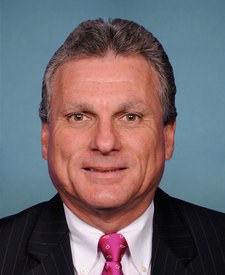


Legislative Progress
In CommitteeMr. Carter of Georgia (for himself and Mr. Wilson of …
Referred to the House Committee on Foreign Affairs.
Submitted in House
Stakeholder Effects
cui bono?How this legislation distributes effects. Mention counts reflect frequency, not effect magnitude.
Ethiopian Government officials credibly implicated in gross human rights violations
Bill Structure & Actor Mappings
Who is "The Secretary" in each section?
- "the_secretary"
- → Secretary of State
- "relevant_agencies"
- → Relevant US Government Agencies
Key Definitions
Terms defined in this bill
This section outlines the bill's purpose and actions, including condemning Ethiopia's government, expressing concern over human rights violations, opposing US funding for abusive entities, calling for diplomatic tools like sanctions, supporting investigations into atrocities, affirming religious freedom commitments, and urging the Trump administration to take specific actions.
We use a combination of our own taxonomy and classification in addition to large language models to assess meaning and potential beneficiaries. High confidence means strong textual evidence. Always verify with the original bill text.
Learn more about our methodology